
With security once described as “a damn sight tighter than at Buckingham Palace”, access to this one was not, as you can imagine, without its challenges.
BOREHAMWOOD, HERTFORDSHIRE
PHOTOGRAPHED IN 2017
As I remember it, I very quickly ended up full of thorns, caked in mud, and soaked to my shins after slipping into the delightfully named Maxwell Drain. After also discovering that the woodland surrounding the stream was some sort of dogging spot, it was time to leave and find another way in.
I won’t go into detail about my next move as the studios are still very much in use (in fact, there’s now a High Court injunction against trespassing there, so don’t be doing it), but after using all the upper body strength I could possibly find in my feeble build, I was in.
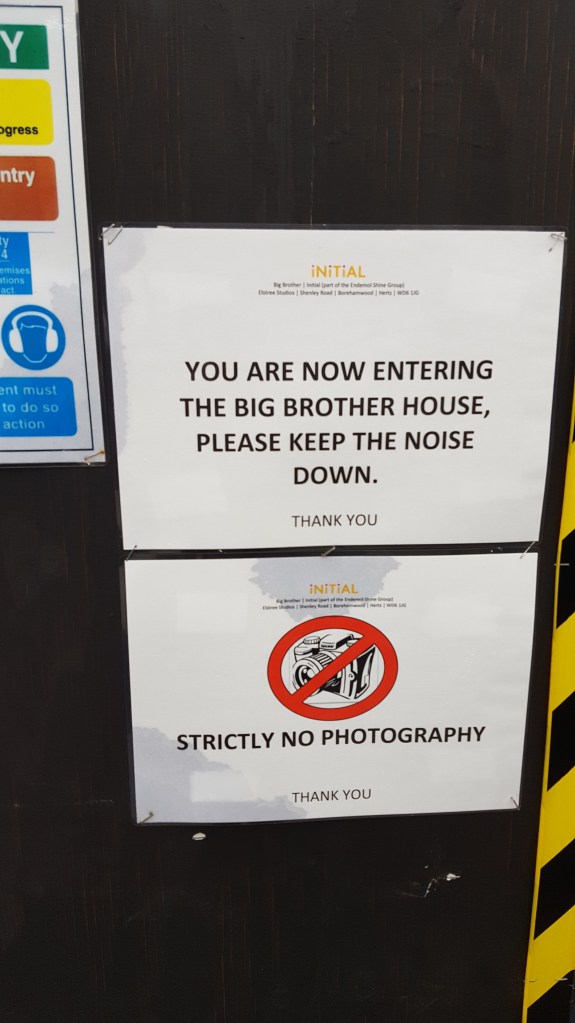
After freely strolling through the set of Big Brother‘s next-door neighbour, The Crown (which, ironically enough, featured a replica of Buckingham Palace’s frontage), I still had to get past the Orwellian security measures of Big Brother.
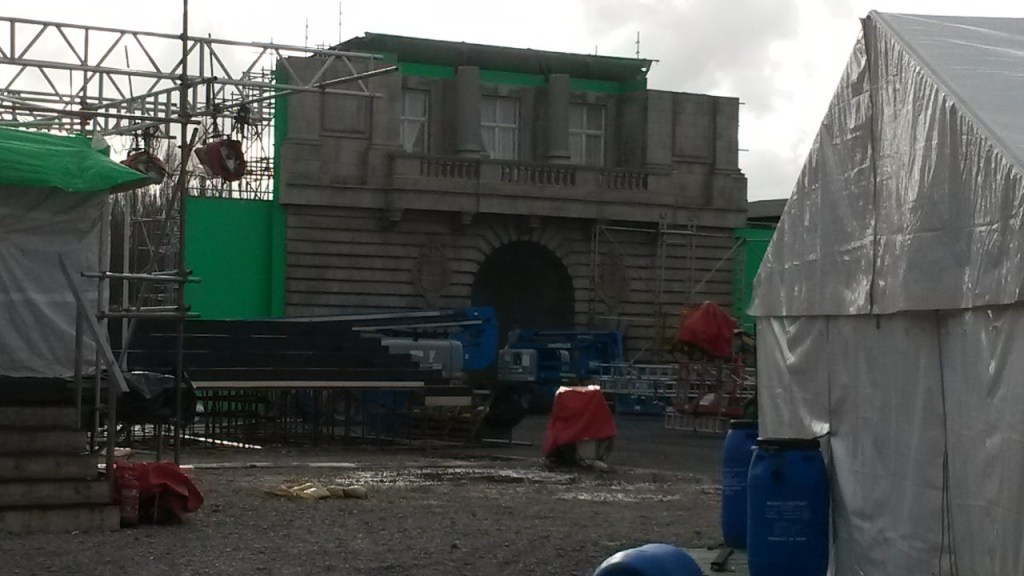
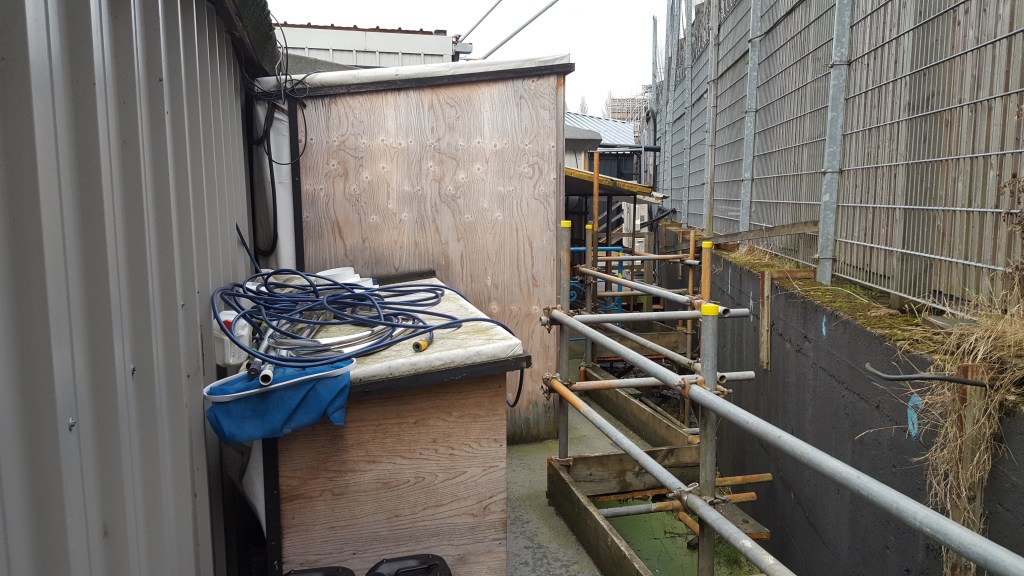
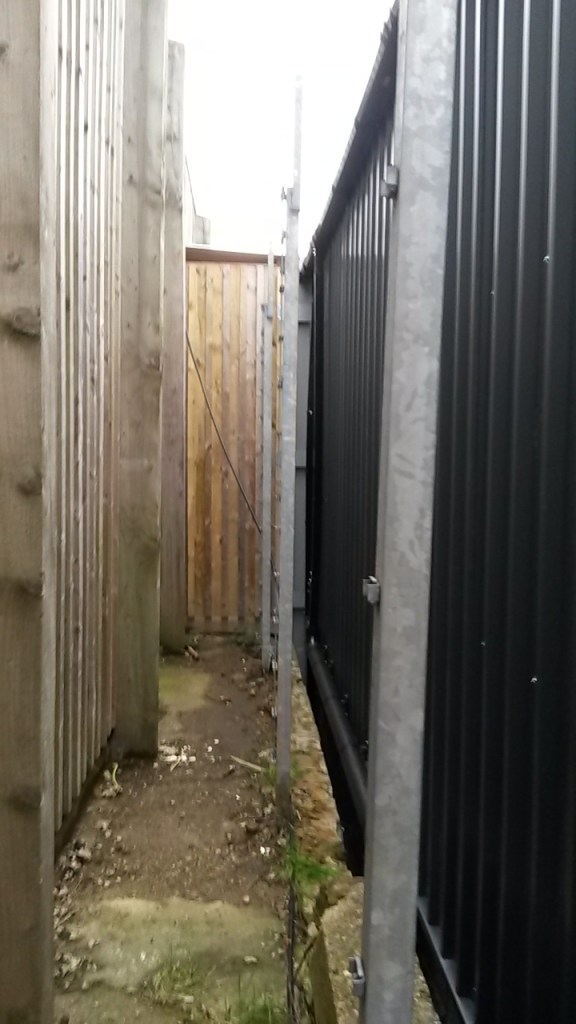
Because the series was out-of-season at the time, getting into the compound itself wasn’t actually too hard and was mainly down to luck if I’m being honest. Same goes for the outer bit of the Big Brother House, which led me to an area where 70s music sensation, Leo Sayer, once ‘escaped’ – essentially a ‘no man’s land’ between the House’s security checkpoint and rather infamous back door.
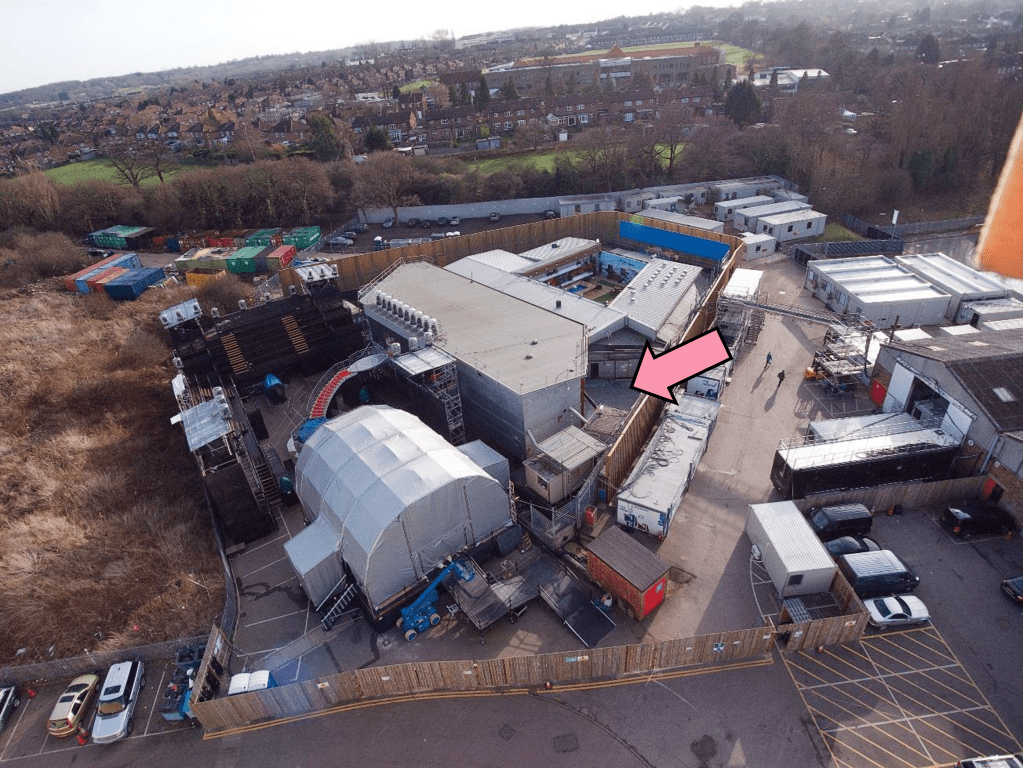
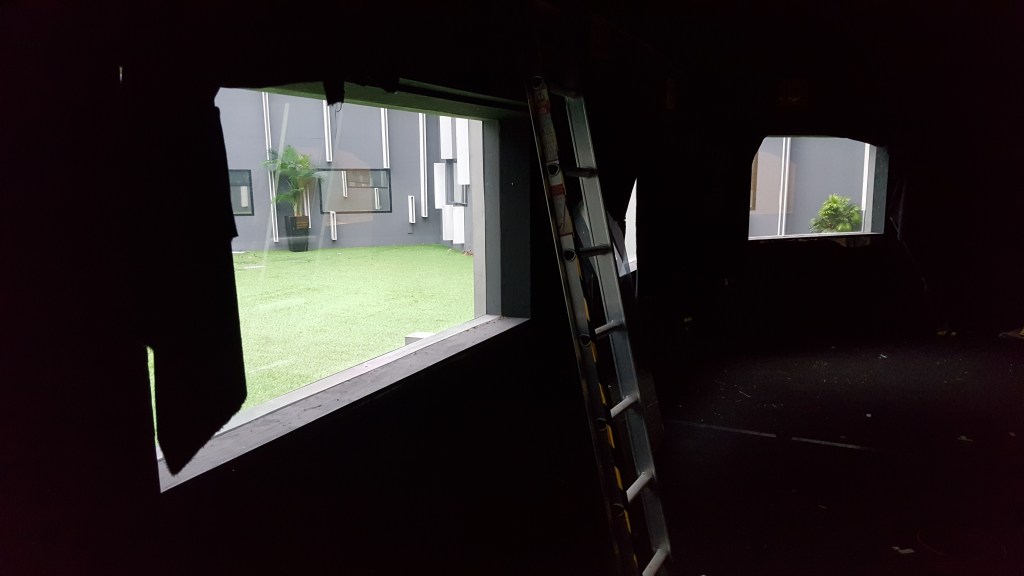
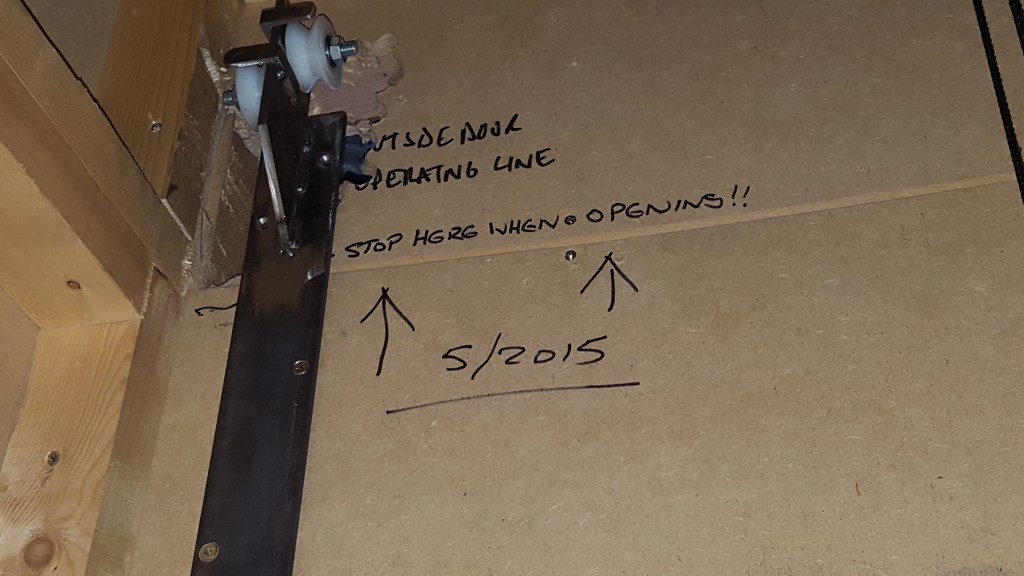
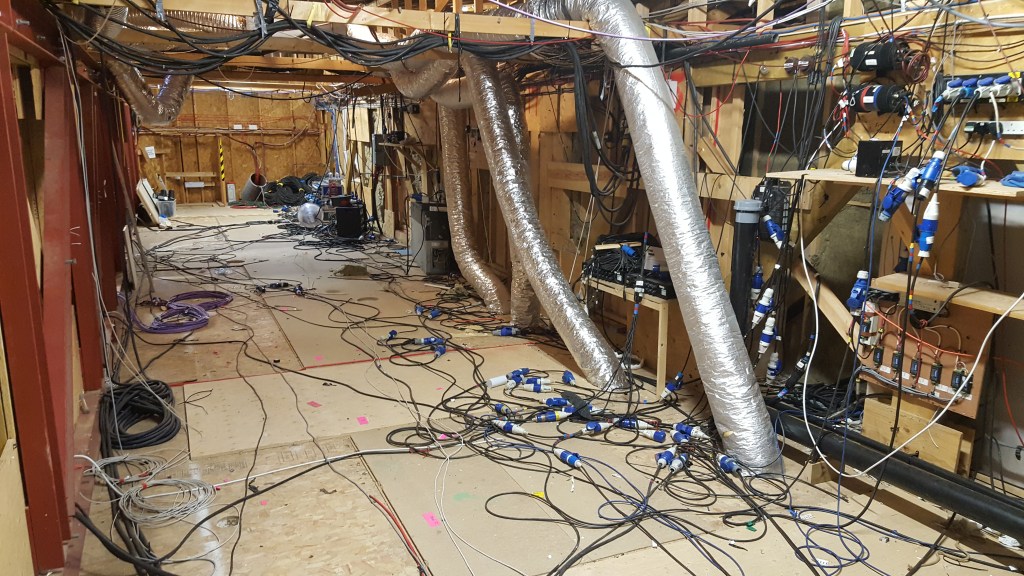
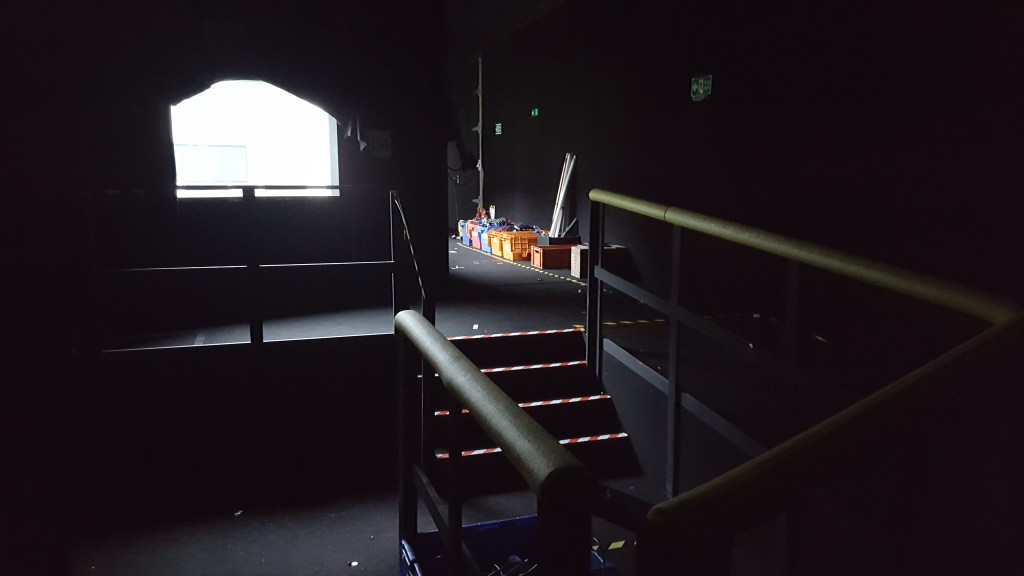
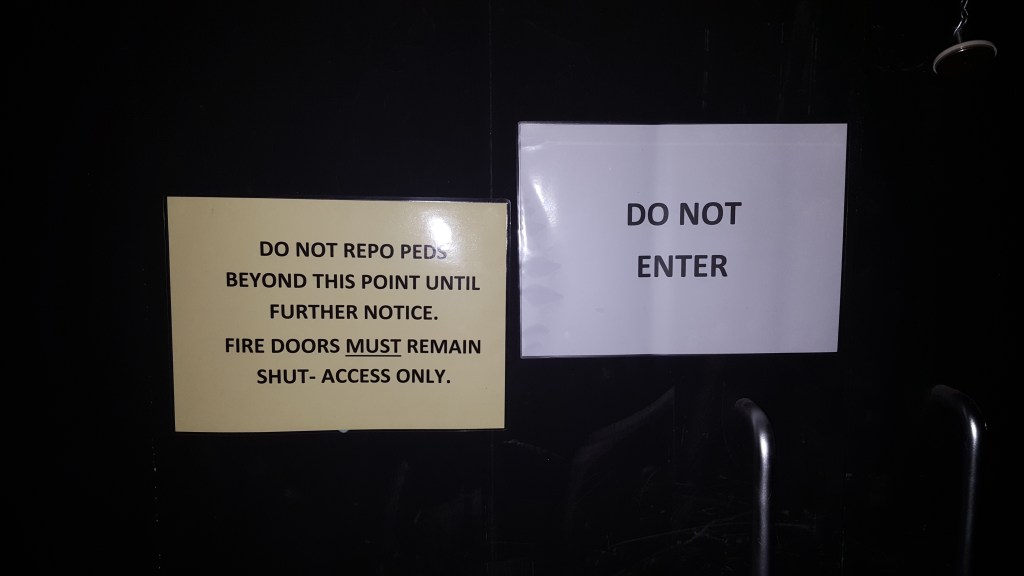
To my absolute joy, a gentle push (or maybe pull – can’t quite remember) on the door caused it to swing open into the dark void that is the camera runs. From there, I was able to explore the unoccupied House for a good half hour, before spotting something in one of the two-way mirrors on the other side of the garden. My own reflection, I naively assumed. I was mistaken.
After hearing the distinct noise of walkie talkies from within the House, I hastily made my way out of the nearest exit door where, if I’m being completely honest, I was almost relieved to bump into the awaiting security guards (I don’t think I had the energy to head back out the way I came).
Having been escorted off the premises with a stern but not disproportionately hostile telling-off, I made my way to the nearest fine dining establishment for a well-earned box of 20 Chicken McNuggets®.
NOTE: For Big Brother‘s 2023 revival, the House was re-built from scratch for series 20 & 21 in a former toiletries distribution warehouse (now a TV studio, forming part of the Garden Studios complex) at Iris Stage 1 (Roll Building), 23 Waxlow Road, London NW10 7NU. In 2025, the House moved about a mile away to another former goods distribution warehouse – this time, at Versa London Studios (Titan building), 41-44 Kendal Avenue, London W3 0RP.
Click a pink section of the below map to read about that specific area – otherwise, scroll down to read all.
Mobile users may need to scroll to the right slightly.
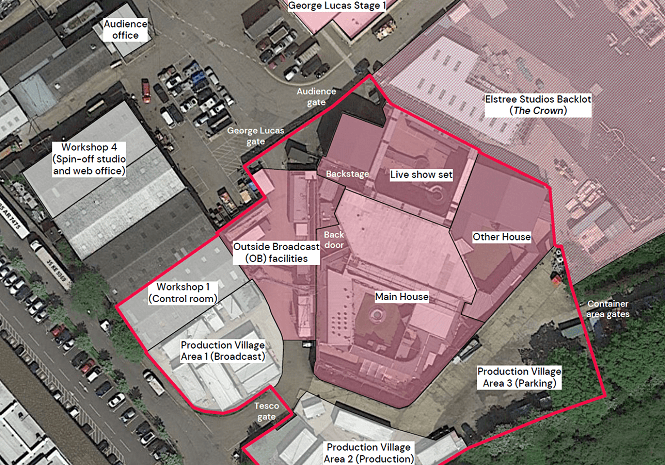
Main House
The Big Brother House was originally built in June 2000 on Thames Water land to the south of Abbey Mills Pumping Station (affectionally known as a ‘Cathedral of Sewage’) at Mill Meads in Newham, London.
It was described in planning documents as “a pretend domestic scene with a diminishing number of people living and sleeping in the … fake bungalow interiors” and remained in-situ until it was demolished shortly after the end of series 2 in July 2001, as agreed with Thames Water and local authorities.
HARDCORE FACT: Sir Peter ‘Baz’ Bazalgette, the TV exec who brought Big Brother to the UK, is the great-great grandson of Victorian engineer, Sir Joseph Bazalgette, who designed Abbey Mills Pumping Station that the original Big Brother House sat beside 132 years later.
Today, the site is nothing more than a spoil heap from the Thames Tideway Tunnel works, but the live show studio (Stage 12) remains on the other side of the canal at 3 Mills Studios. The footbridge between was removed to build a new lock for the London 2012 Olympics, which also uncovered a huge unexploded WWII bomb and allowed pieces of the Euston Arch to be recovered.

A number of locations were earmarked for the new House, including the site of Royal Mail’s Holloway Sorting Office in Islington; now home to Emirates Stadium.
In the end, the chosen site, described by veteran House designer, Markus Blee, as “close to ideal”, was Elstree Studios in Borehamwood. In early 2002, construction commenced ahead of series 3, with the House erected over an old effects tank built for The Dam Busters and Moby Dick in 1954 and later used to film the infamous elevator blood scene from The Shining.

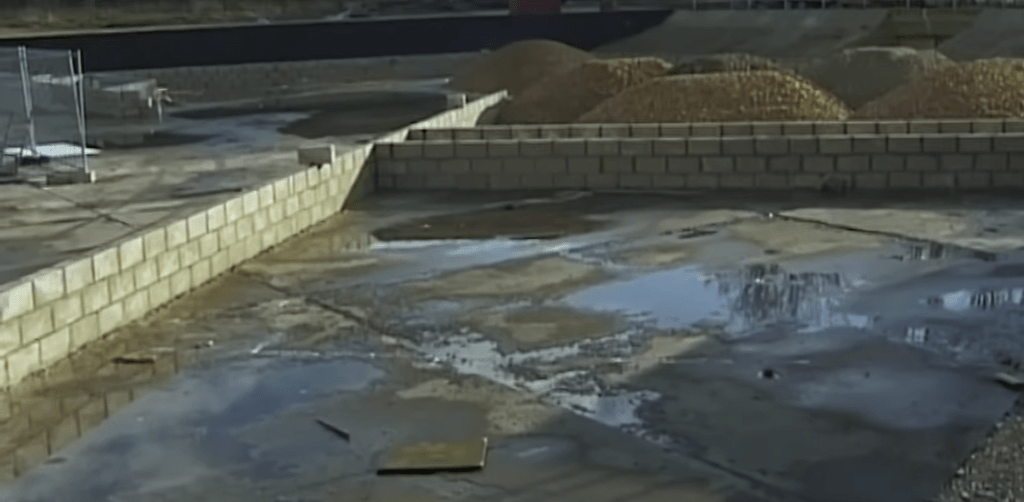

Suspended on concrete blocks, the new House was actually between 0.65 and 1.3 metres above ground, depending on where measured from. A pit in the water tank was covered over with steel beams to support the House’s wooden floor.
HARDCORE FACT: Despite drainage, engineers needing to locate cable faults would still don wetsuits before venturing into the tank and beneath the House (according to a former Big Brother director).
Despite not being extended until 2016 (more on this later), the House was redesigned each year. But one feature remained consistent throughout. Patrick Watson, who became the House designer in 2005, explained that the extensive use of mirrors is “to instill in the housemates the idea of having nowhere to hide.” Of course, the ‘mirrors’ also provide the very practical function of being completely see-through from within the shadows of the camera runs.
Main House gallery
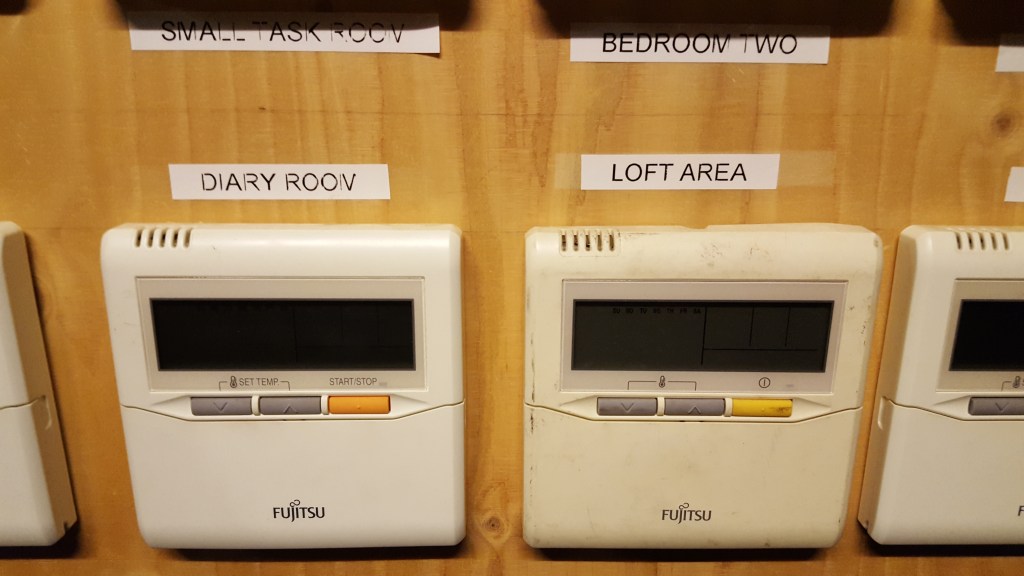


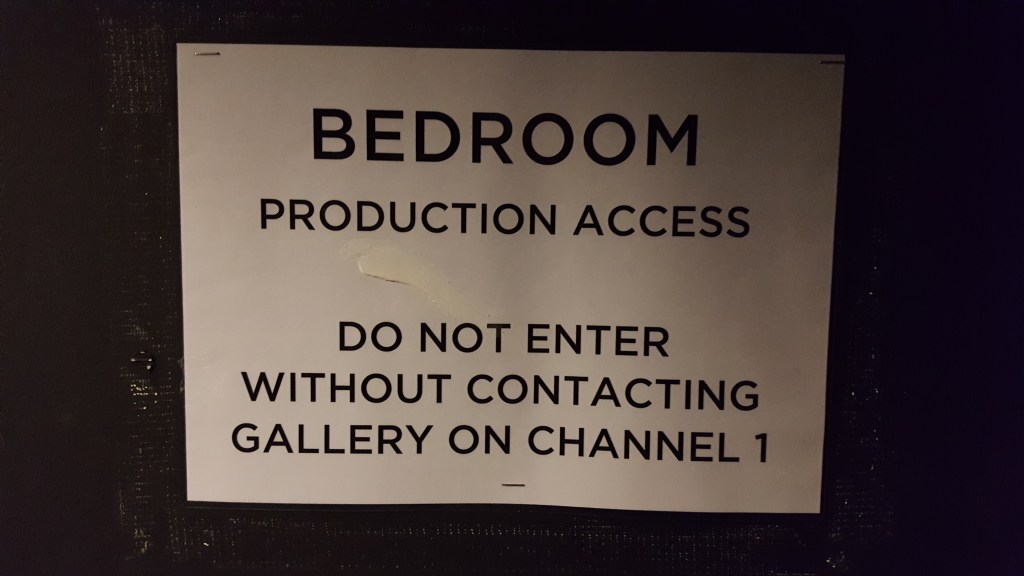
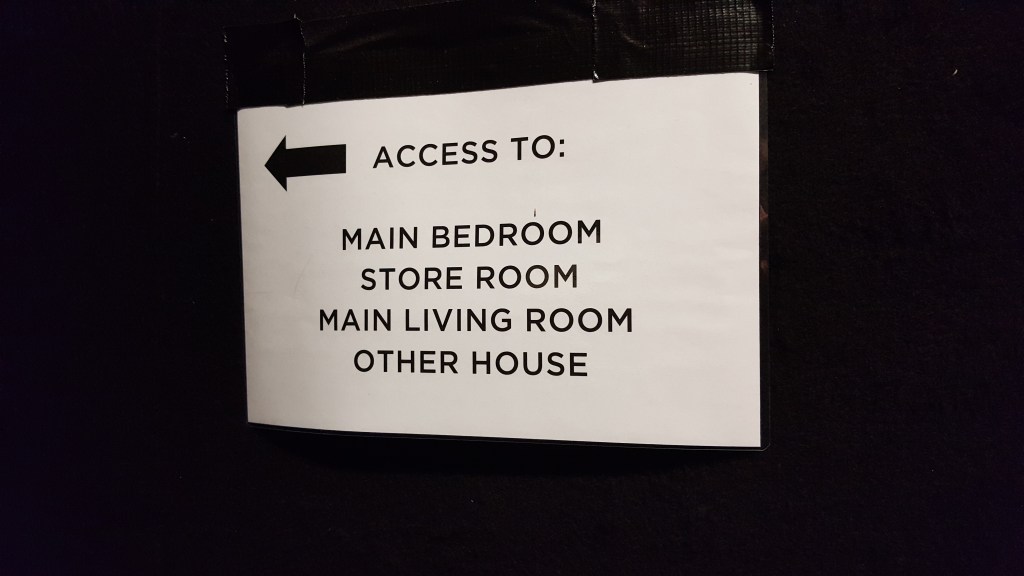


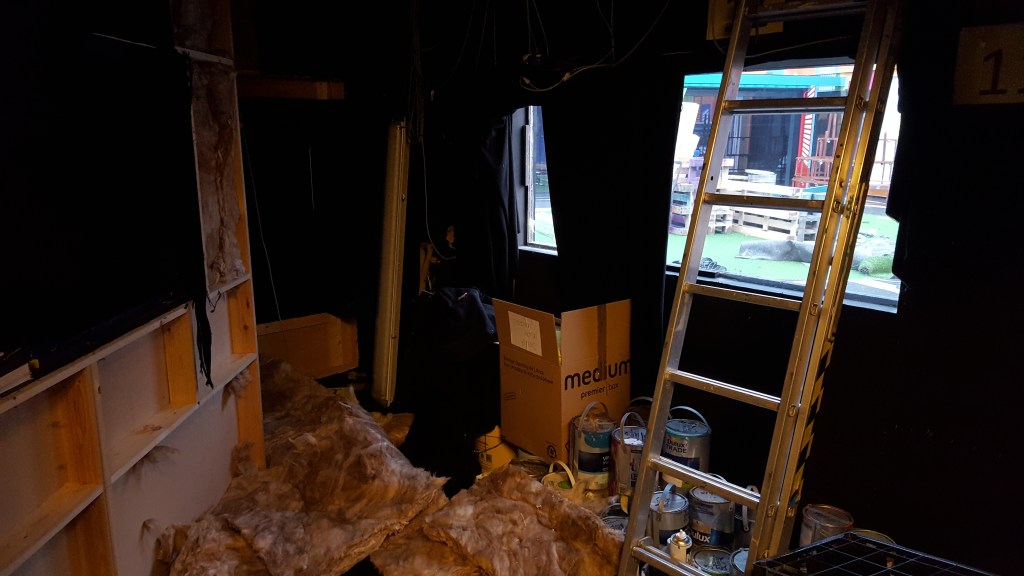

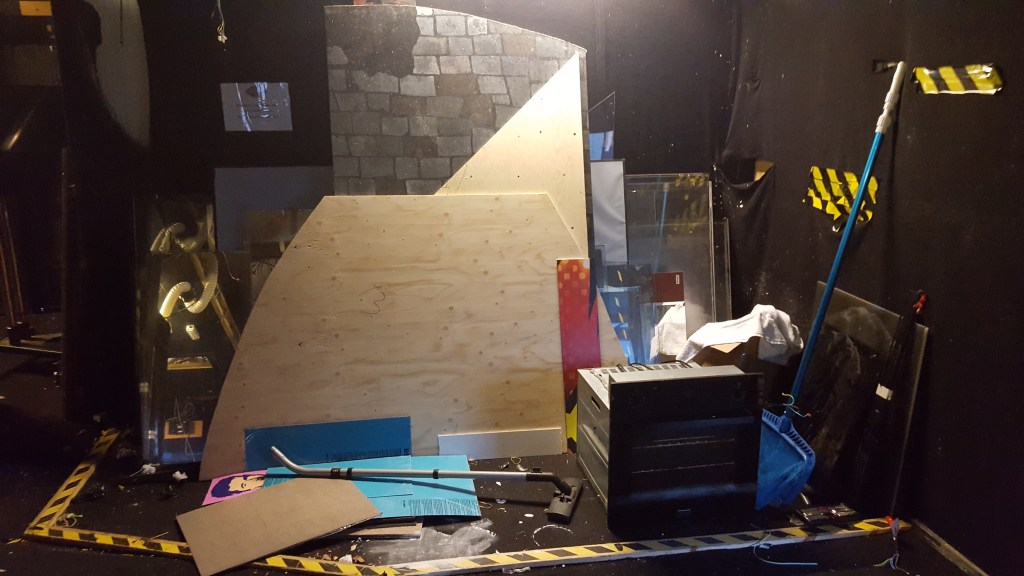
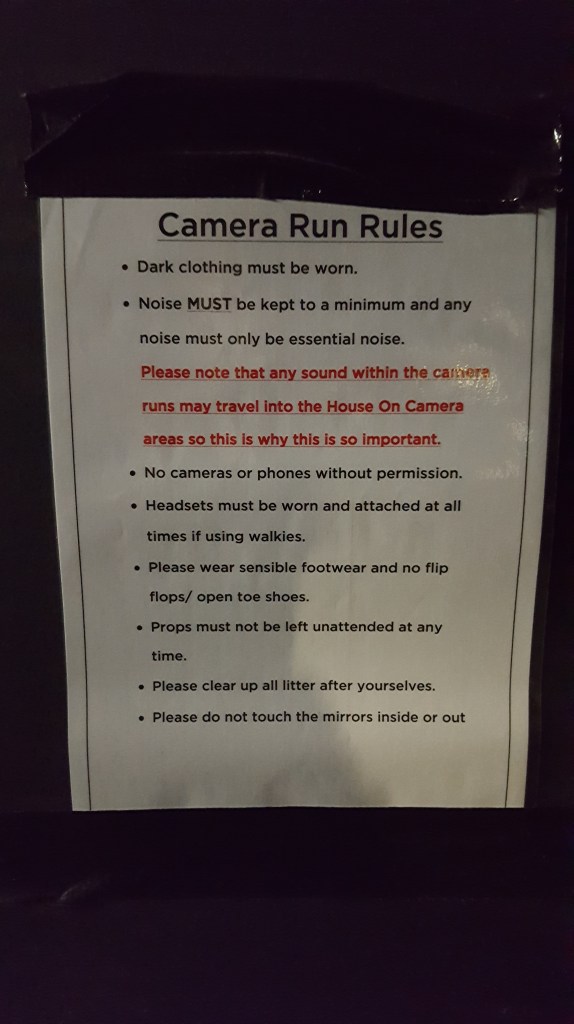

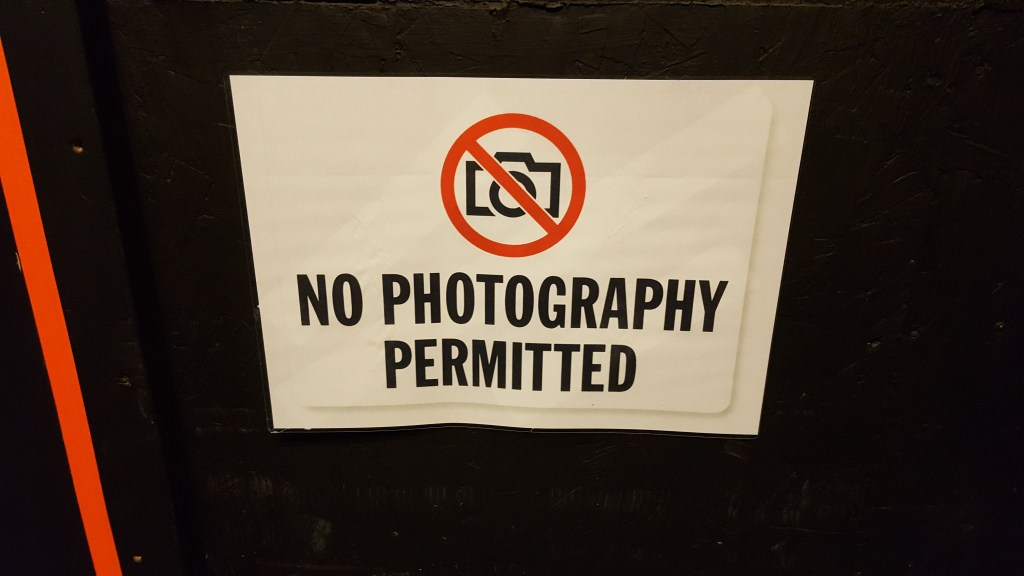

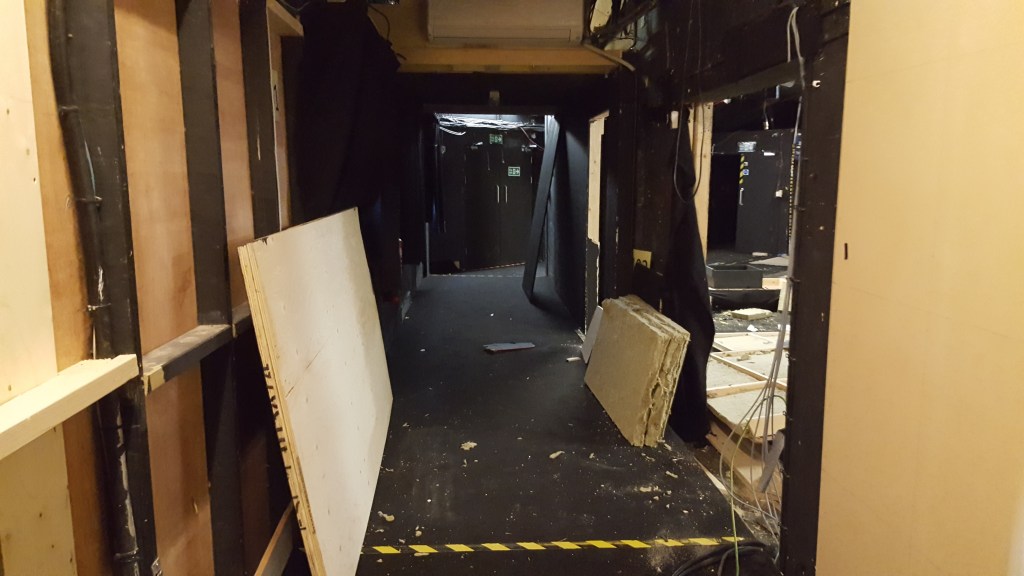
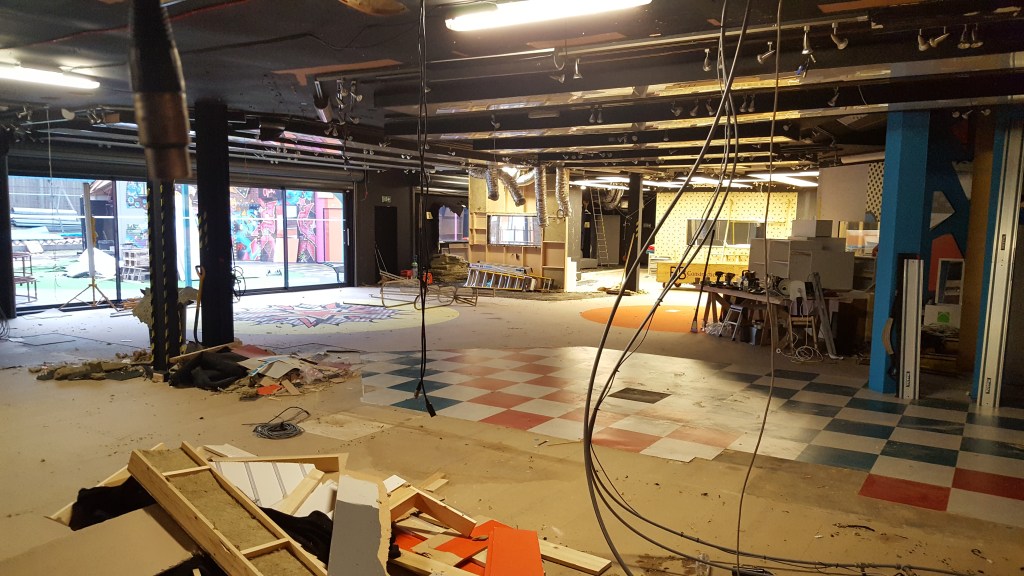
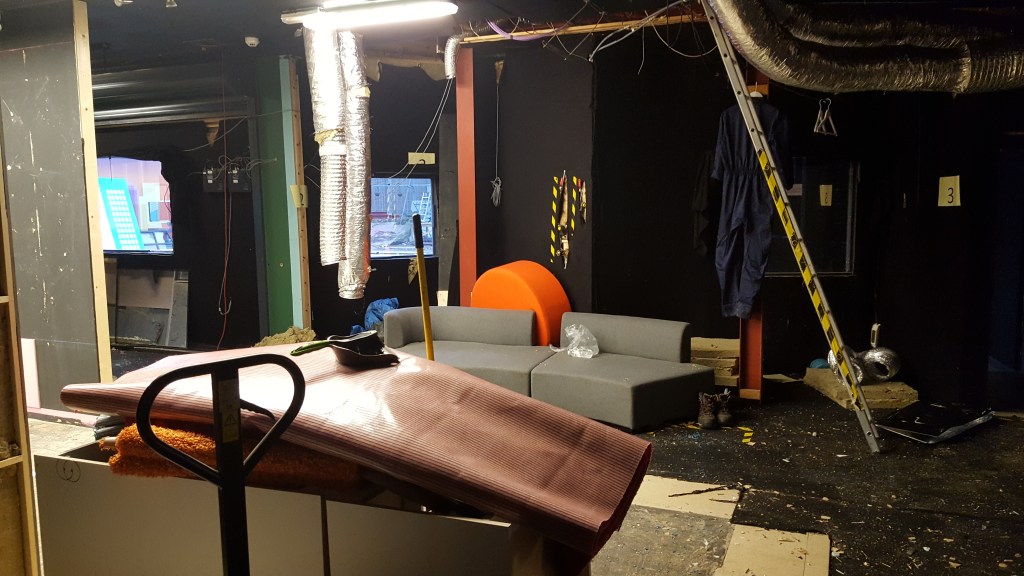
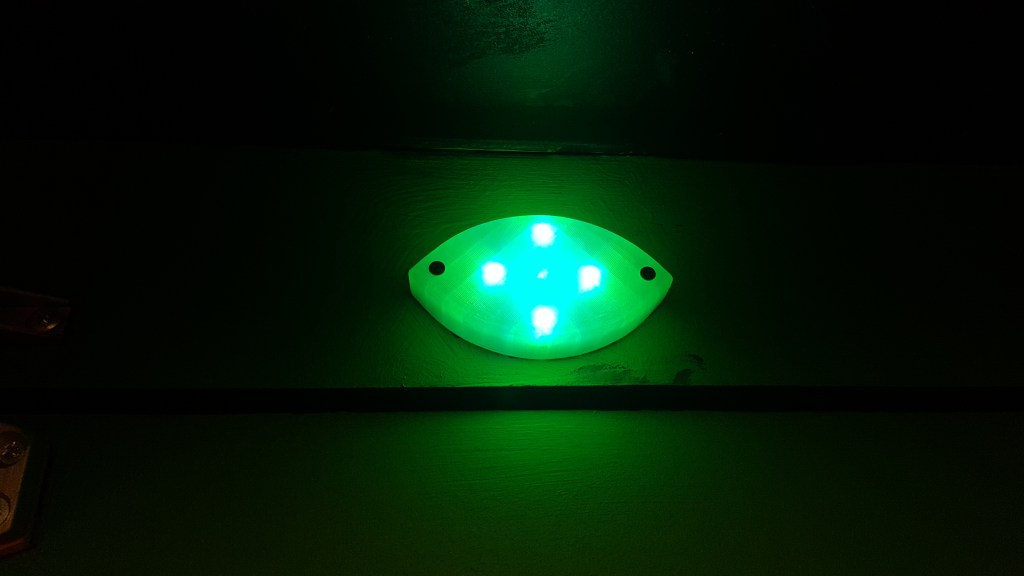


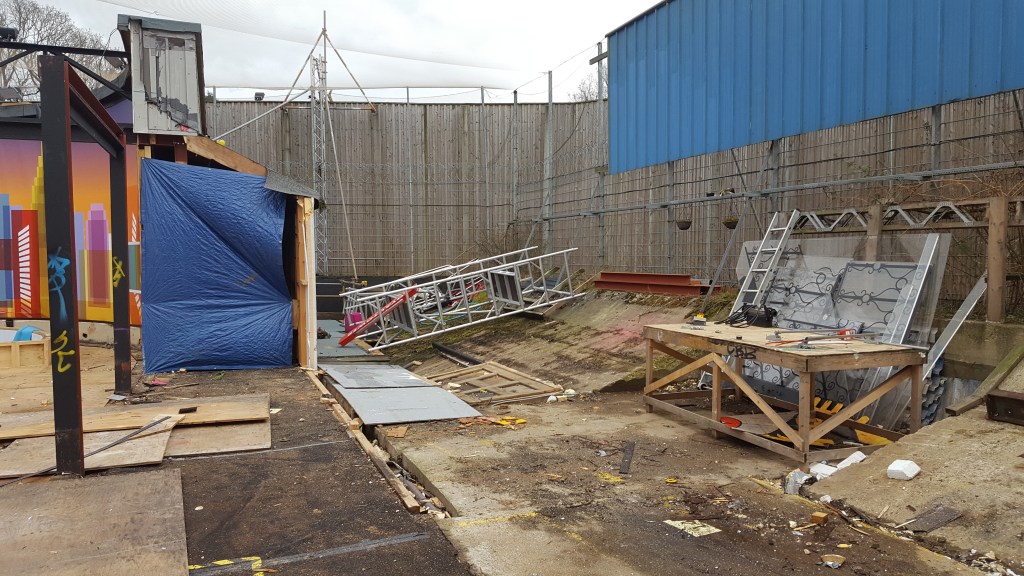
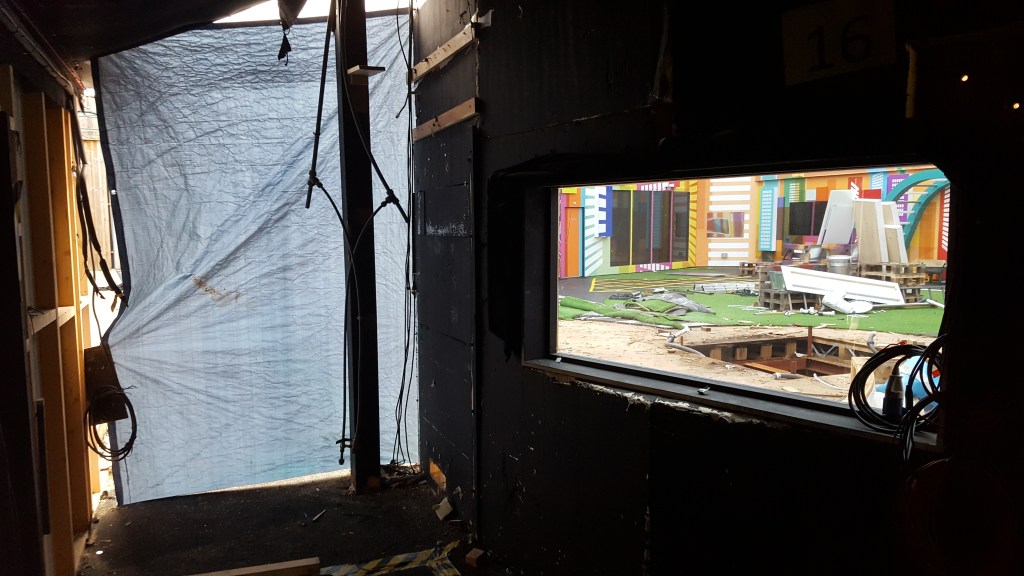

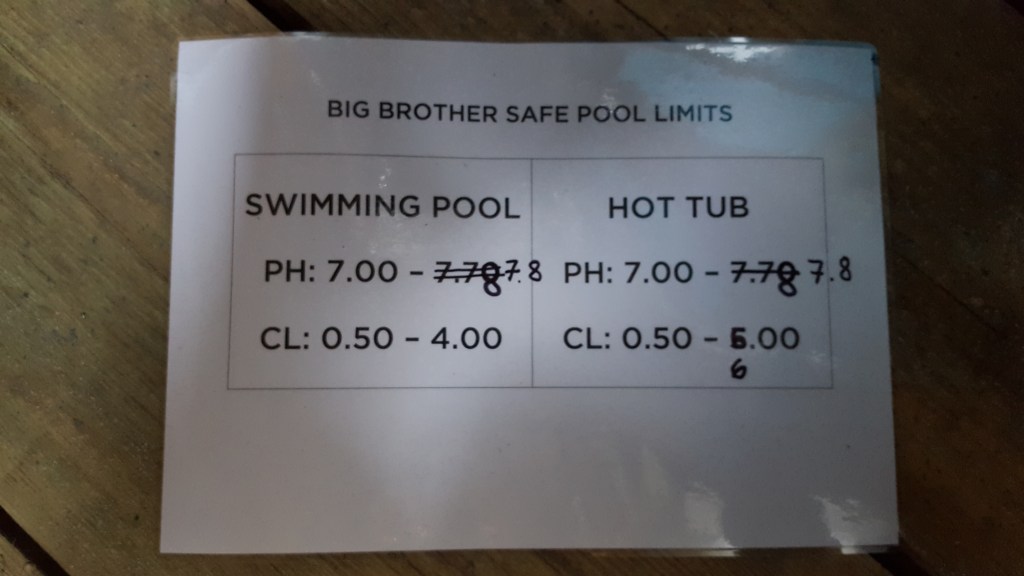


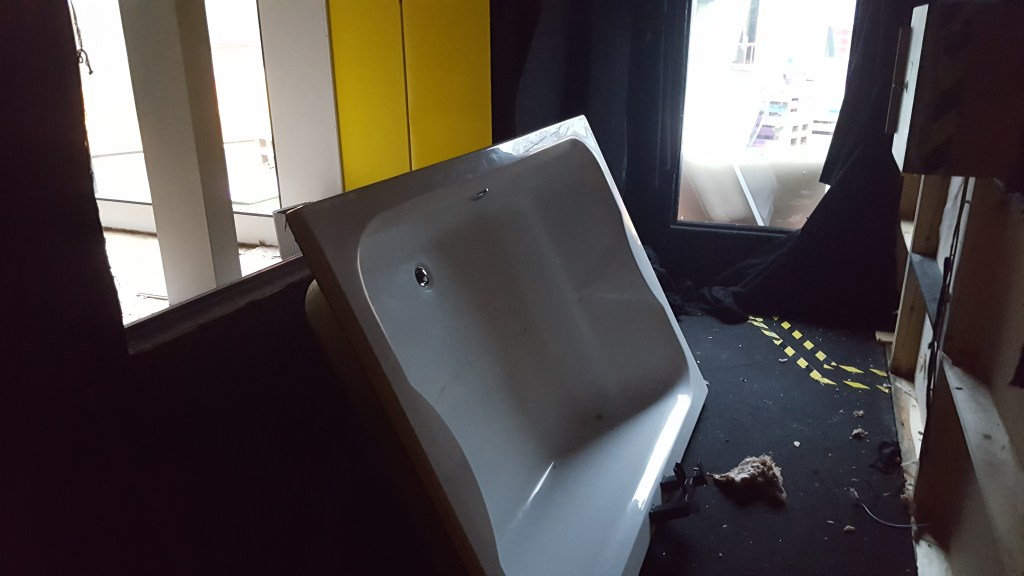







Other House
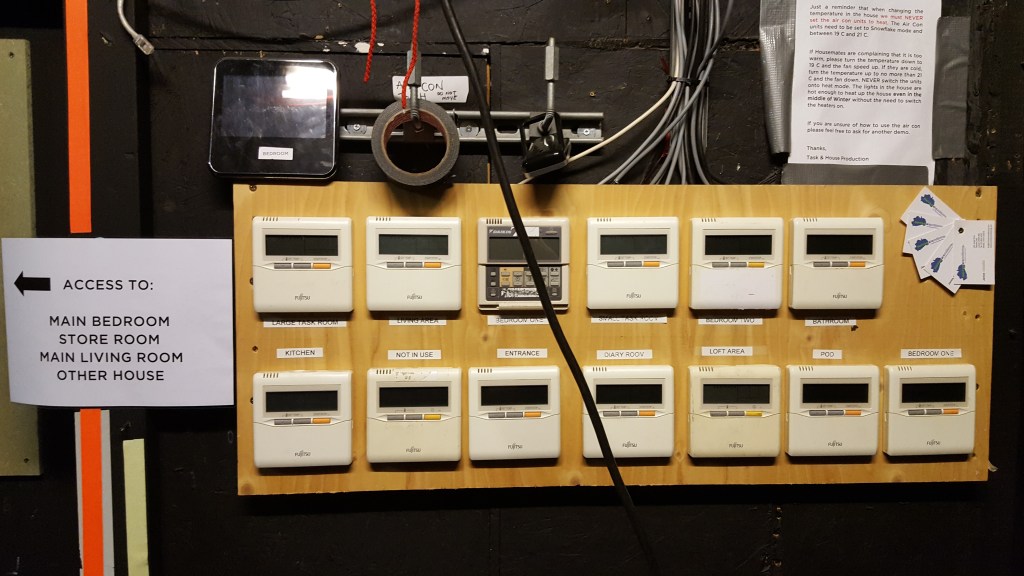
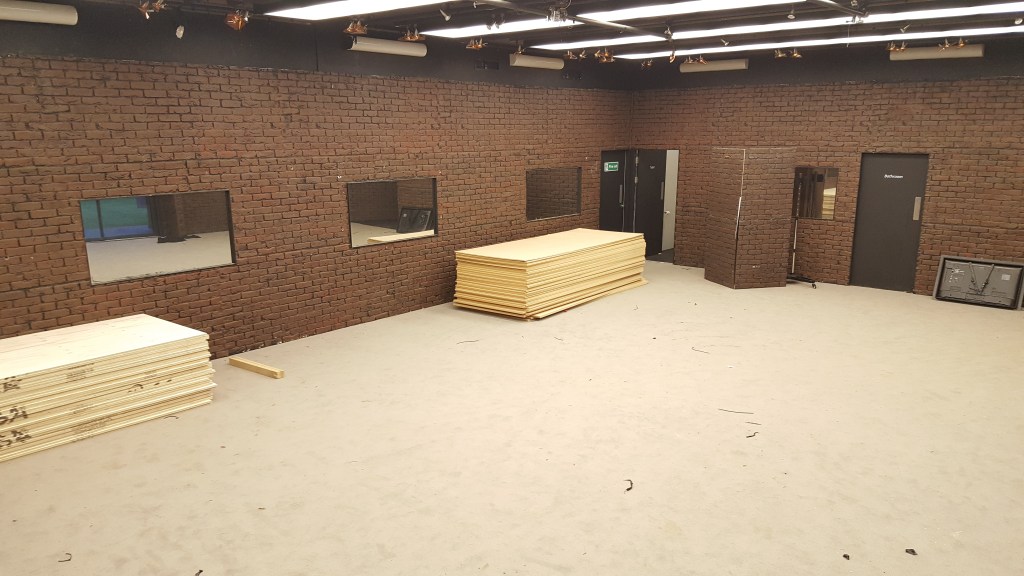
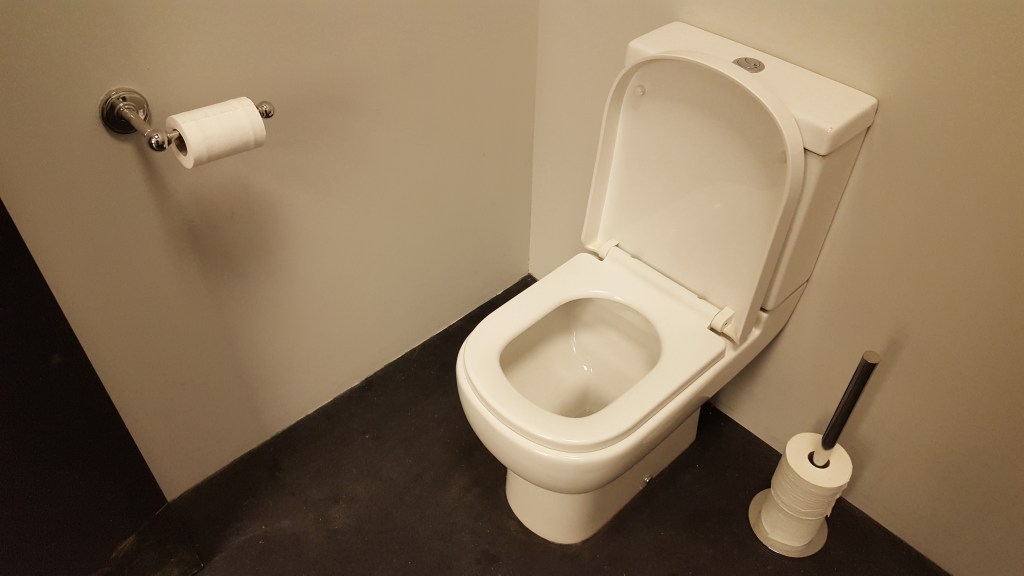
For Big Brother 17 in 2016, the House was extended significantly, with Channel 5 keen to keep viewers engaged. Known initially as the ‘Other House’ and later referred to as the ‘Task Arena’, the extension included new interior and exterior spaces, comprising 488 sq m of rooms, a 186 sq m garden, and 165 sq m of camera runs.
The development also included an extension of the existing acoustic and visual wall, a new loading dock and doors, linking corridors, and re-modelling of the live show set (including the addition of an enclosed stage for housemate interviews).
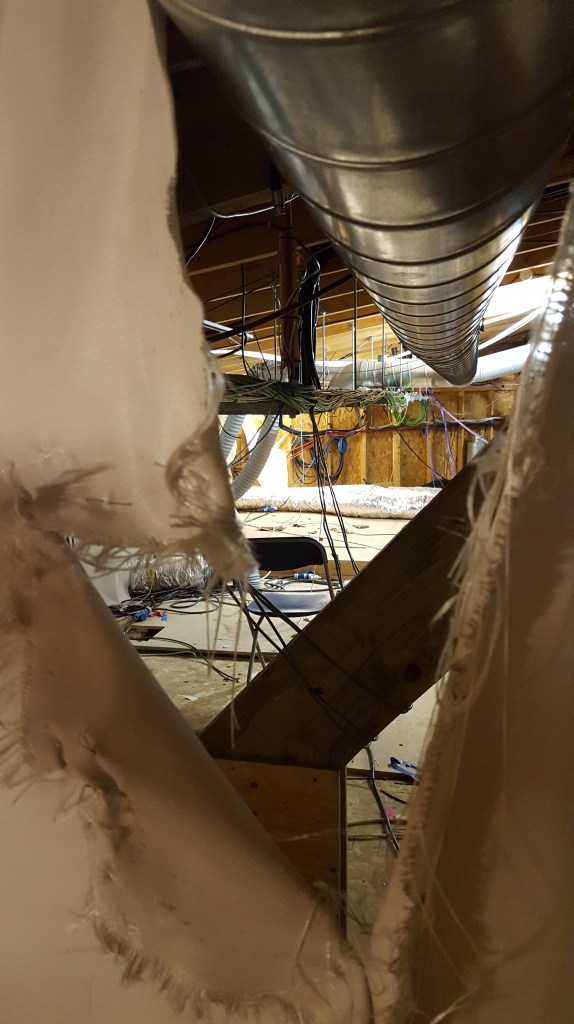
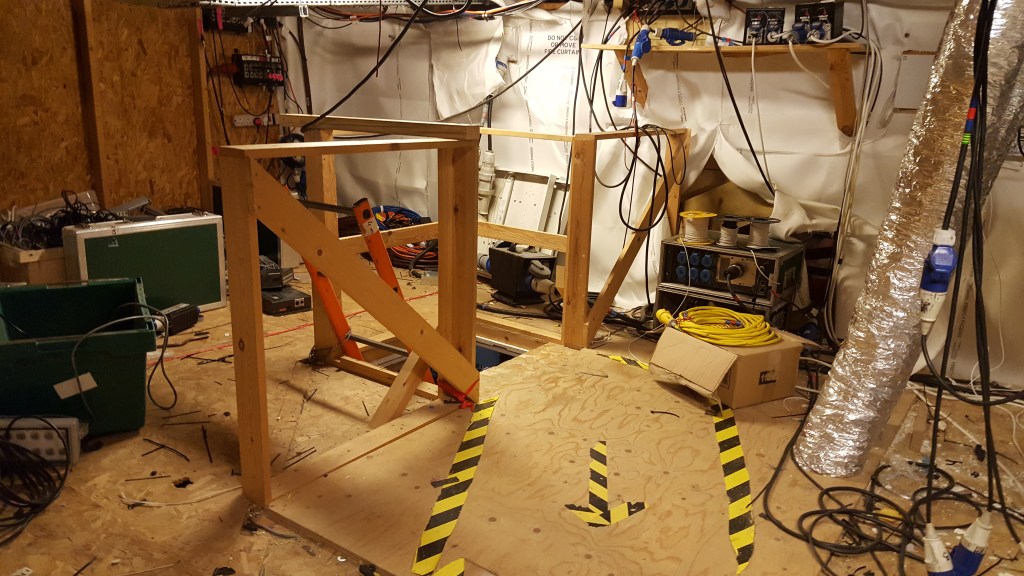
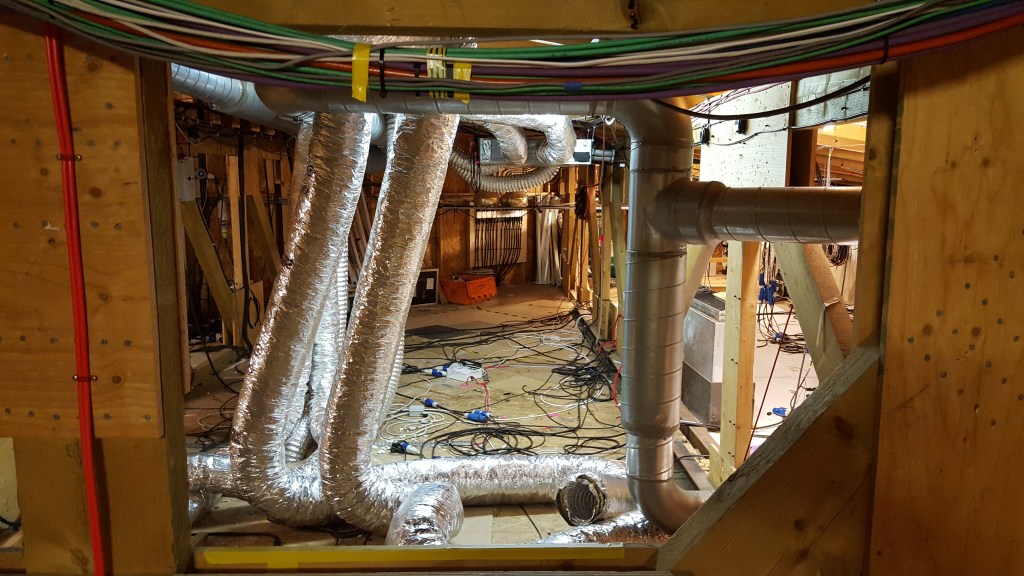
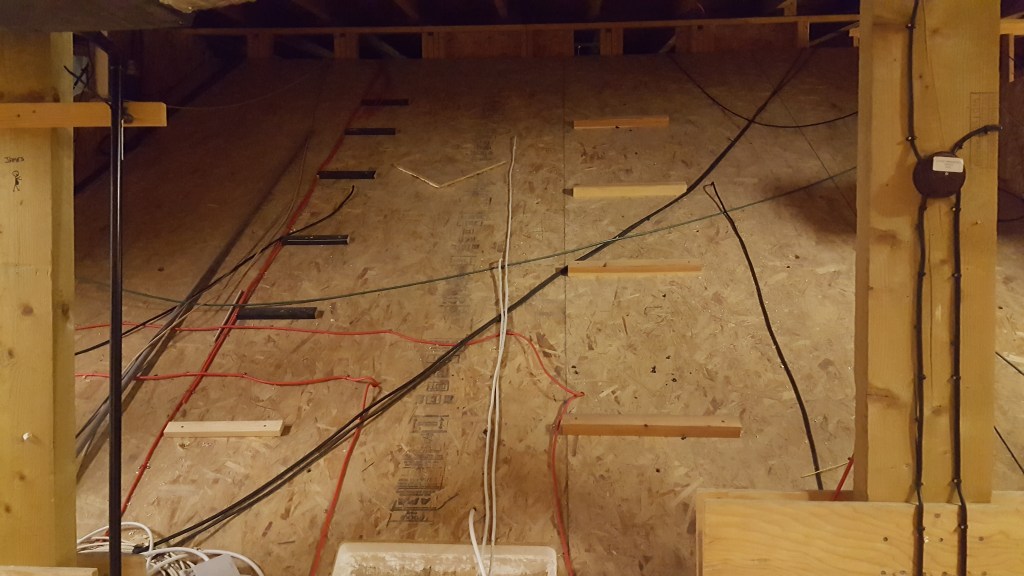
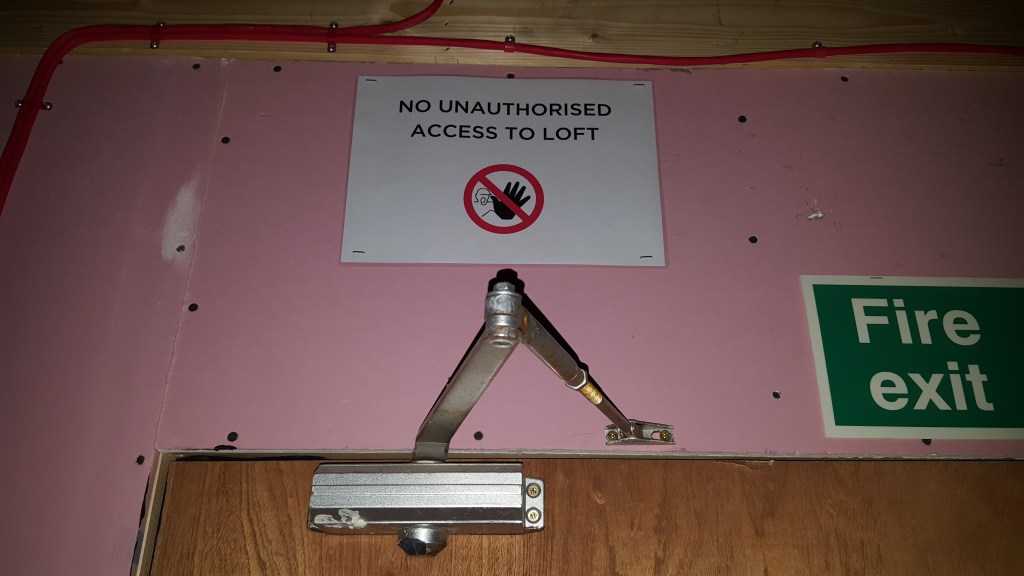
Perhaps most noticeable from a behind-the-scenes perspective, the extension also boasted a huge loft space compared to the cramped and somewhat claustrophobic attic of the Main House.




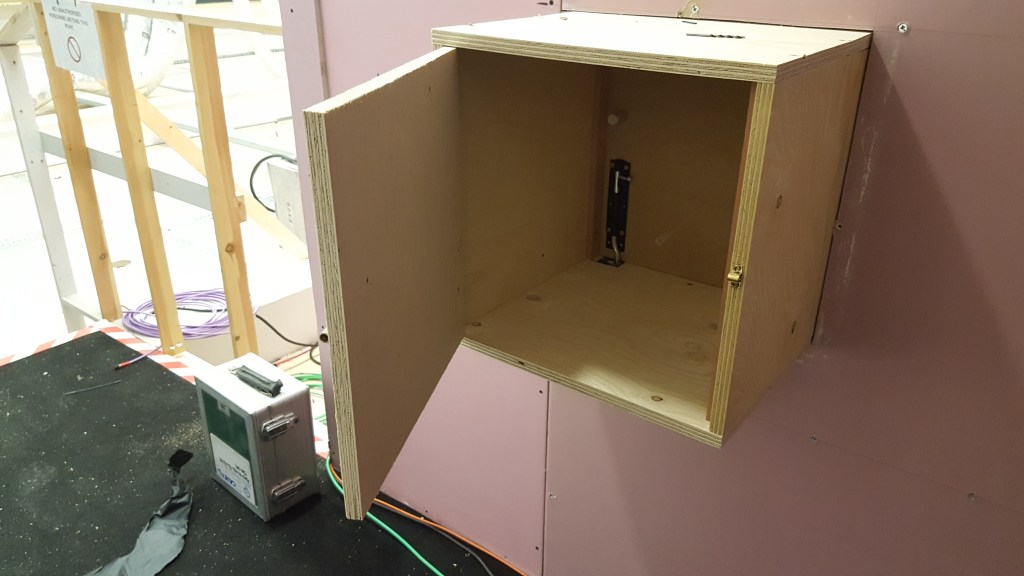


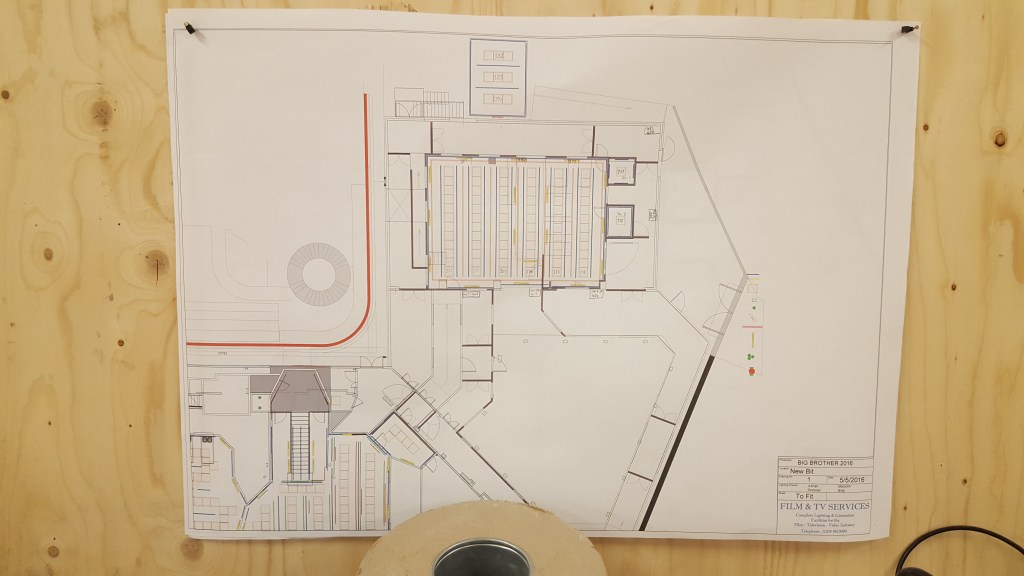


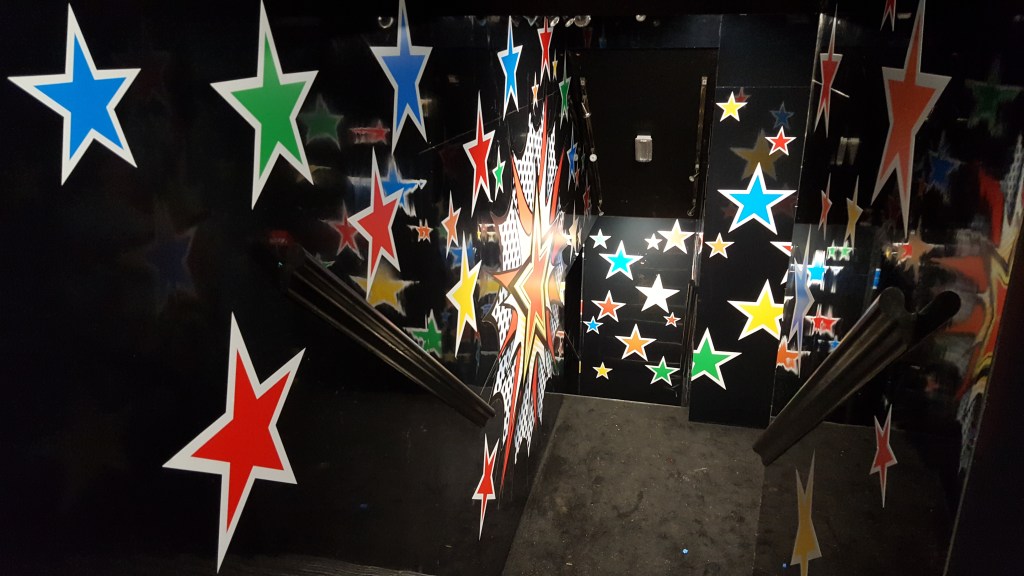

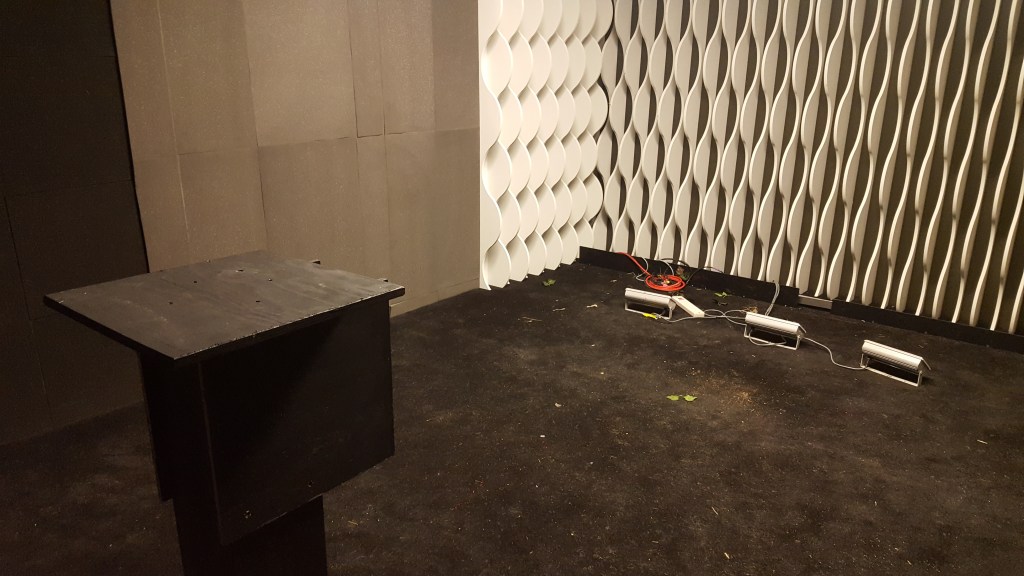





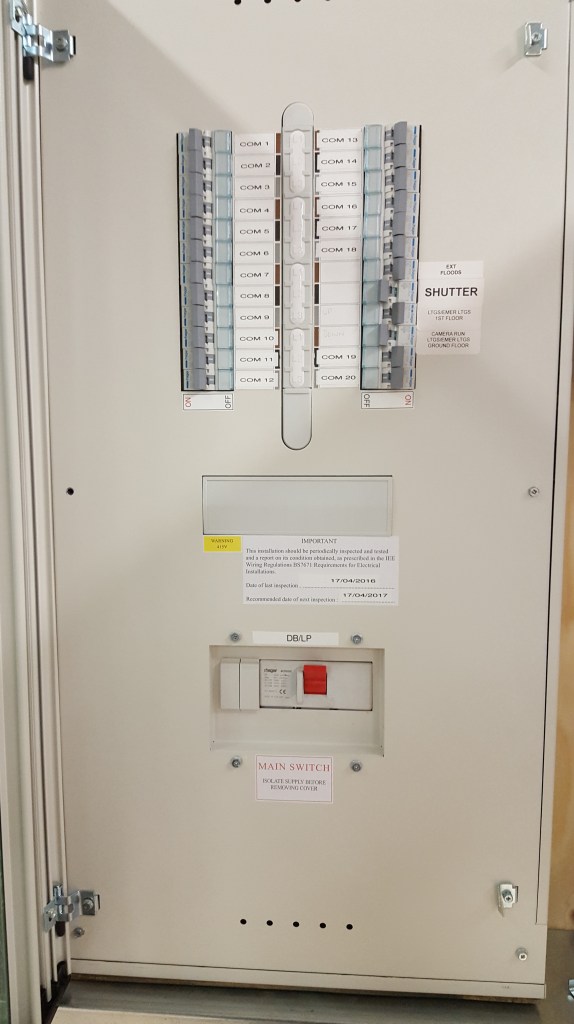

Live show set & OB facilities
Although Channel 5 introduced the outdoor stage for housemate interviews, these had traditionally taken place indoors during the Channel 4 years (2000-2010). During this decade, housemates would be guided through the outdoor ‘eviction crowd’ by presenter Davina McCall and into George Lucas Stage 1 which housed a modest set for post-eviction interviews.

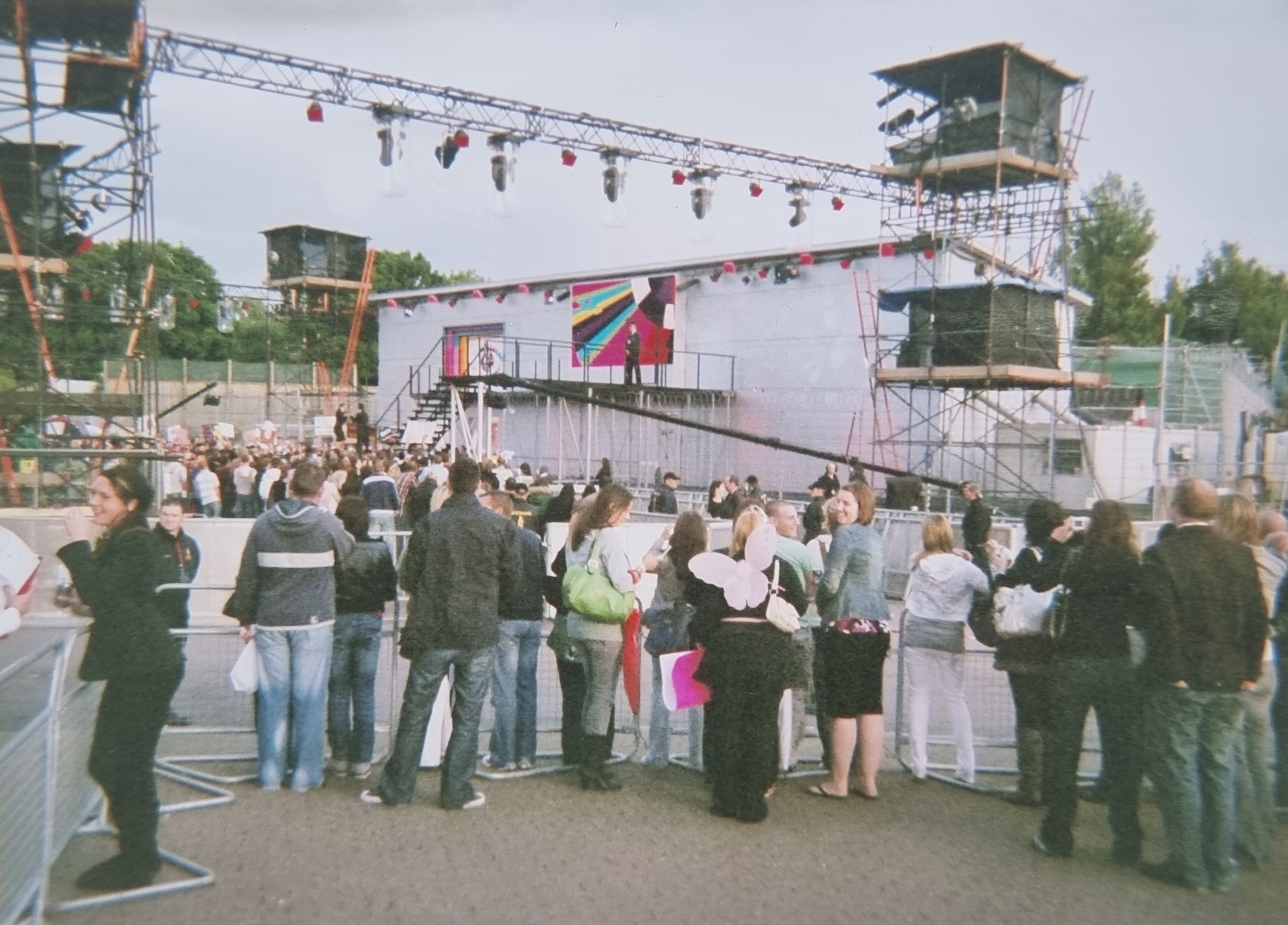
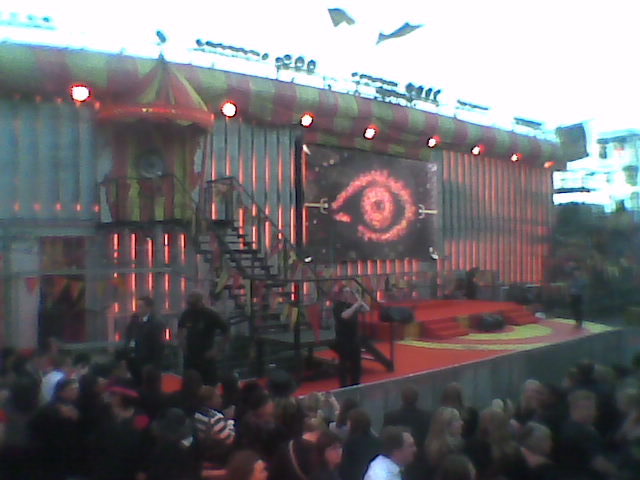

Note the brick building in the first photo above – this was demolished when the Platinum Stages were built in 2022 but was a generator shed (possibly a former oil tank) that had been present since 1954.
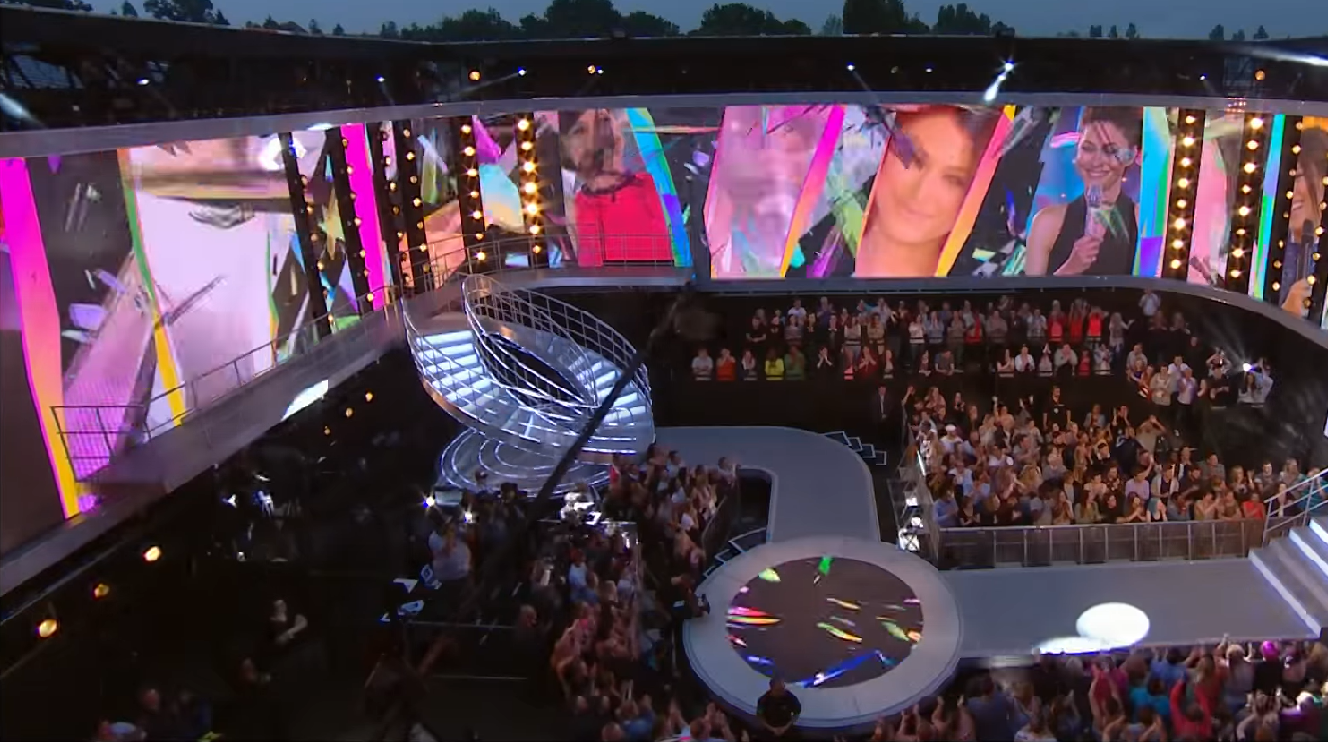
The 2016 site development – including the construction of the new all-weather enclosed stage – meant that crowd capacity was reduced from 470 to 400, which was later revised to 350, then down to less then 200 due to health and safety concerns amidst less available space.
Despite this, the new set was arguably more telegenic and even included an extra, hidden, front door for direct access into the Other House, ready for ‘The Others’ series twist.

Adjacent outside broadcast (OB) facilities included temporary cabins for the control of sound, vision, lighting, and operational/technical control during live broadcasts. A post-production truck supporting the edit operation within the control room was also located in this area (parked directly outside Workshop 1).
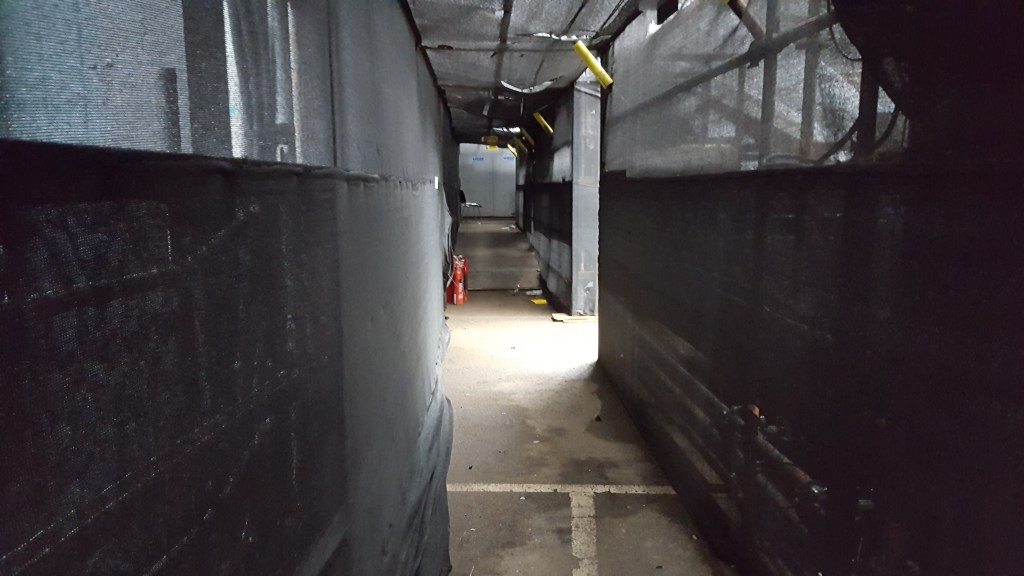


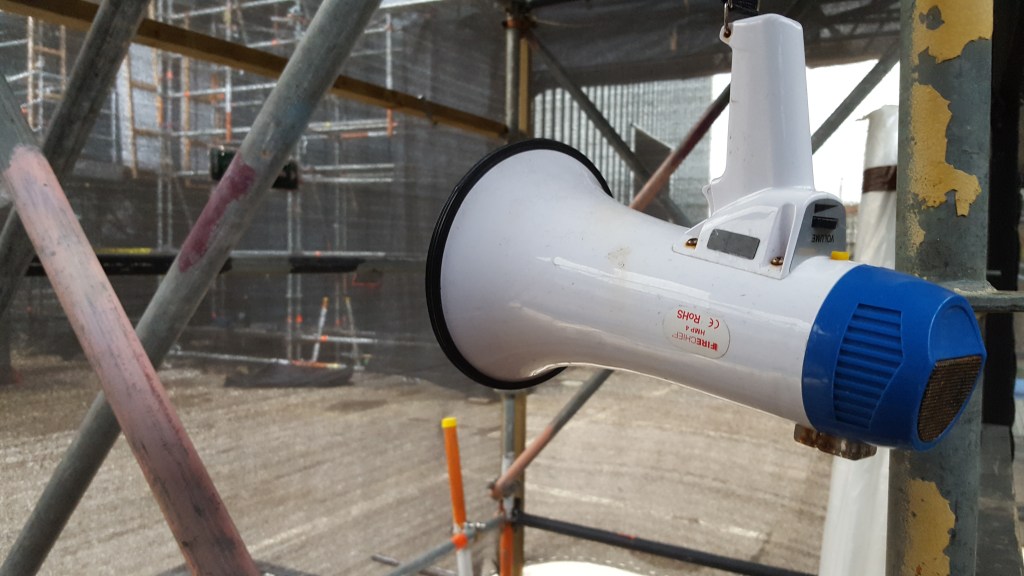

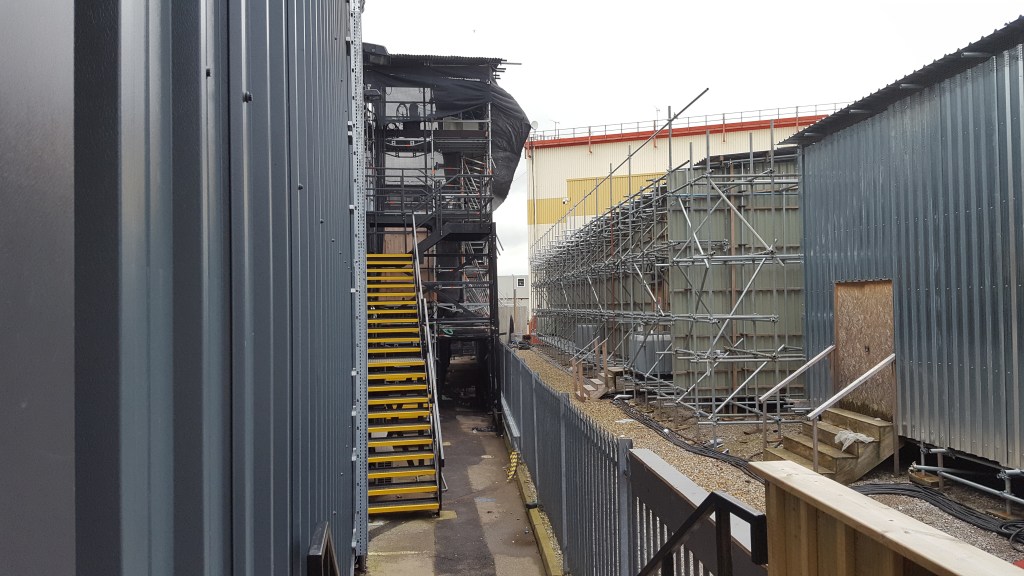
George Lucas Stage 1 & Backlot
Stage 1 (and Stage 2) at Elstree Studios have been known as the George Lucas Stage[s] since Prince Charles officially opened them in 1999. George Lucas filmed the original Star Wars trilogy at Elstree Studios.
During the Channel 4 years, Stage 1 played host to Big Brother’s Little Brother, the original indoor live show set and the reality gallery – all pictured below. Dressing rooms and green rooms were located in an interconnected three- storey block which overlooked ‘The Mound’ (more on this below).
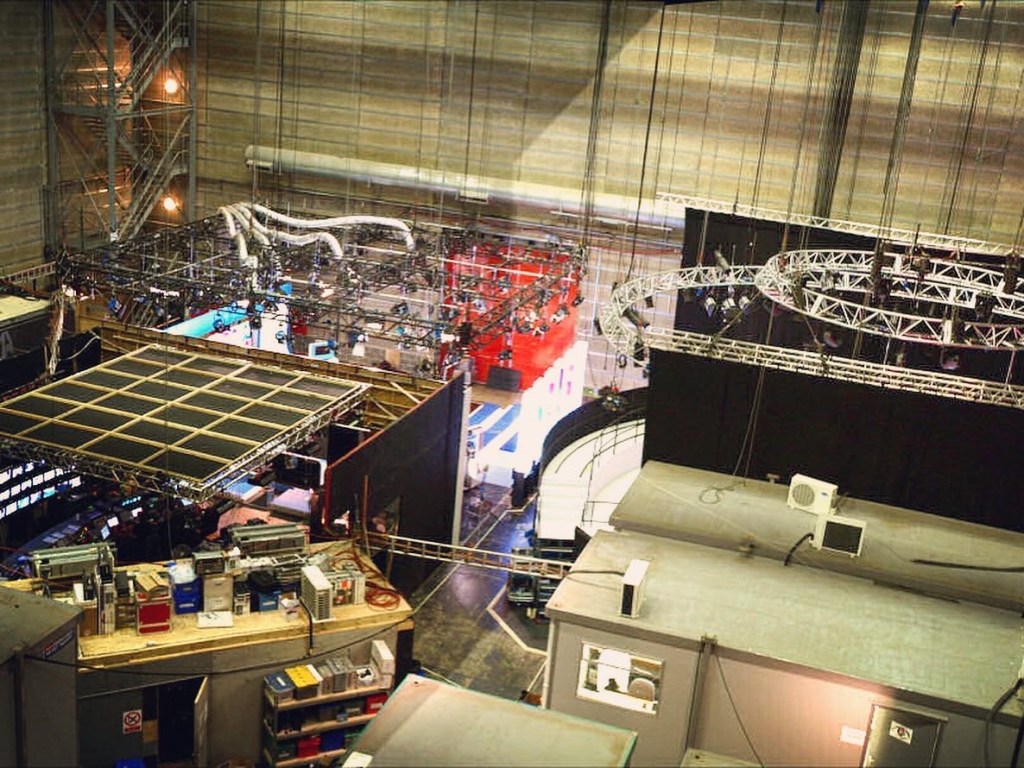
In those days, there was nothing directly opposite the George Lucas Stage other than ‘The Mound’, an ~8m tall contaminated spoil heap made up of soil, building materials, asbestos and tyres. The Mound was used to launch fireworks from for earlier Big Brother series finales, but has some iconic film history too.
HARDCORE FACT: Because The Mound had been formed on top of the former studio backlot, there were rumours that vintage props and set pieces were buried beneath – including Star Wars‘ Millennium Falcon. Sadly, despite the removal of over 33,000 cubic metres of spoil, no props were found.
However, fake snow made of “formaldehyde based foam” was discovered from The Shining‘s Overlook Hotel exterior set (1978/79). While that same snow was also used in The Empire Strikes Back, the myth of the buried Millennium Falcon remains just that.

Clearance of The Mound created a new backlot for filming which was used by Left Bank Pictures for the production of The Crown between 2015 and 2023.
 HARDCORE SETS
