Television Centre, Wood Lane, London W12 7RJ Known as The Television Factory, the doughnut, or simply TVC, BBC Television Centre is one of the world’s most iconic television centres and was used by the BBC from 1960 to 2013. Despite the sale of the site to a private developer, Studios 1 to 3 are still managed by the BBC, with studio space leased to the likes of ITV, Channel 4 and Sky by BBC Studioworks.
NOTE: The following photos have been taken by third parties undertaking photographic surveys. They are not the property of HARDCORE SETS and have been compiled here for reference only.
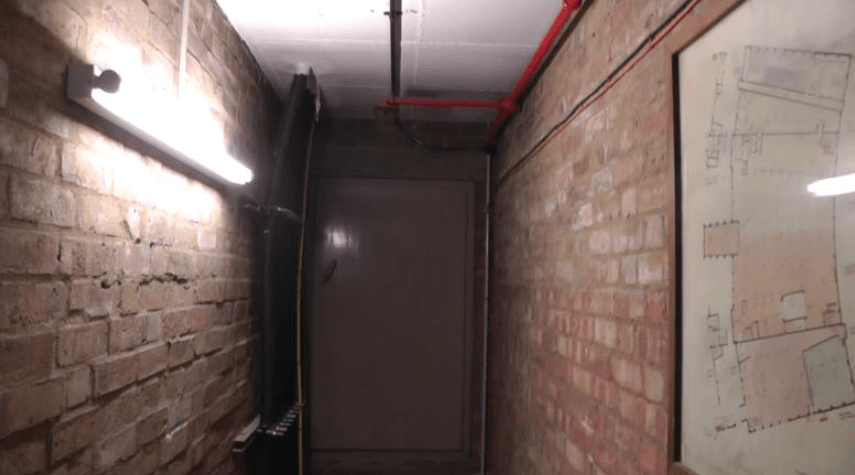
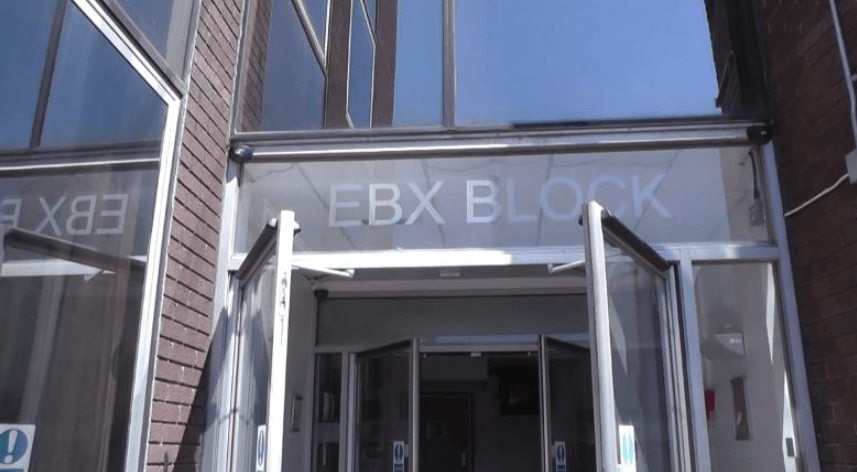
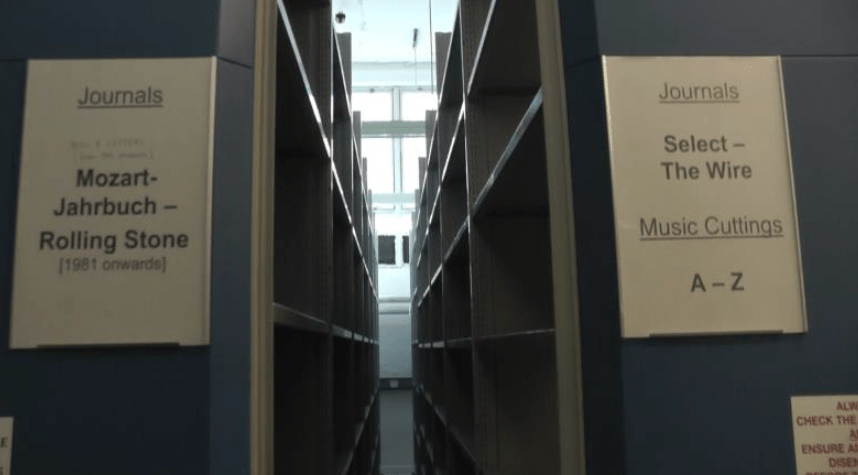
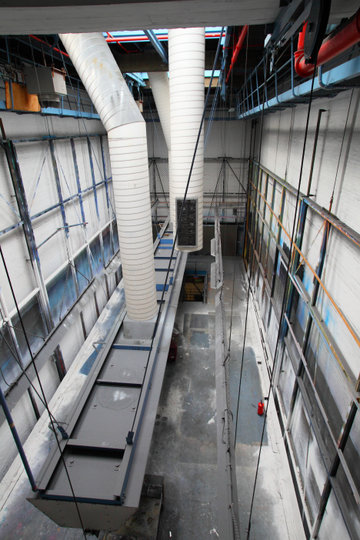
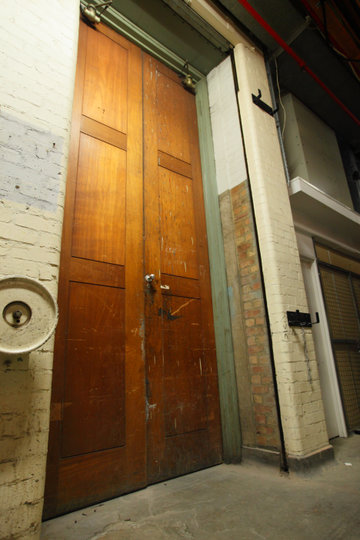
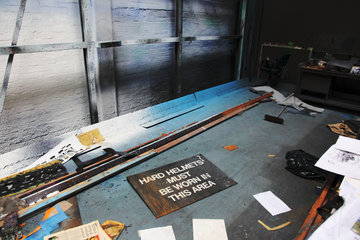
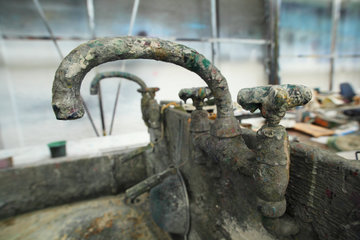
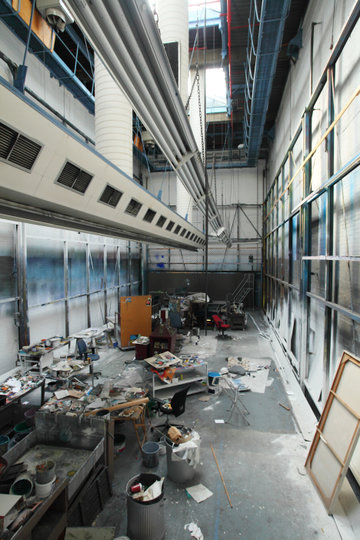
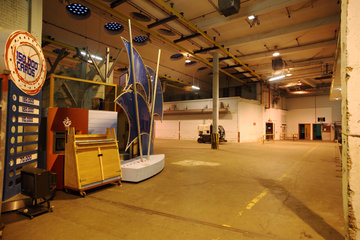
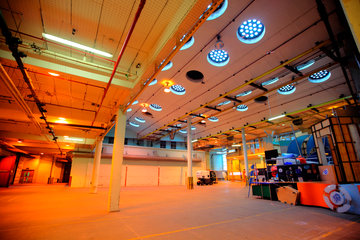
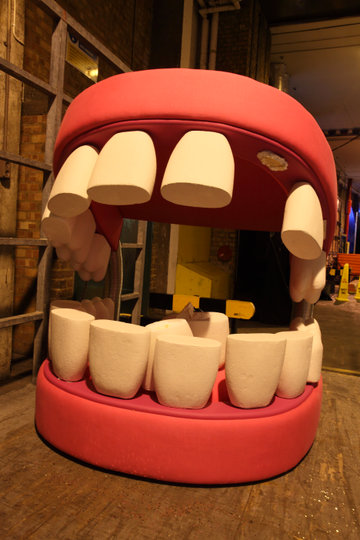
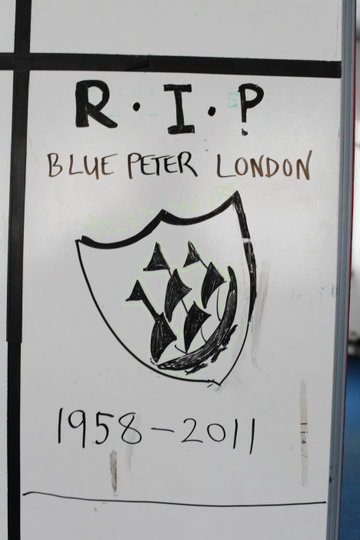
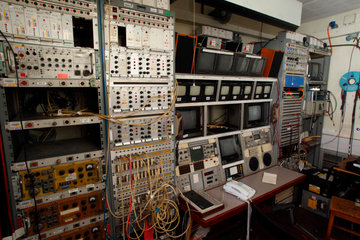
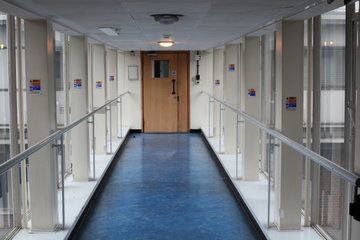
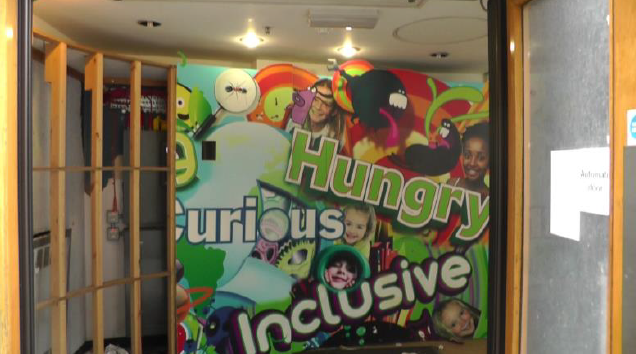
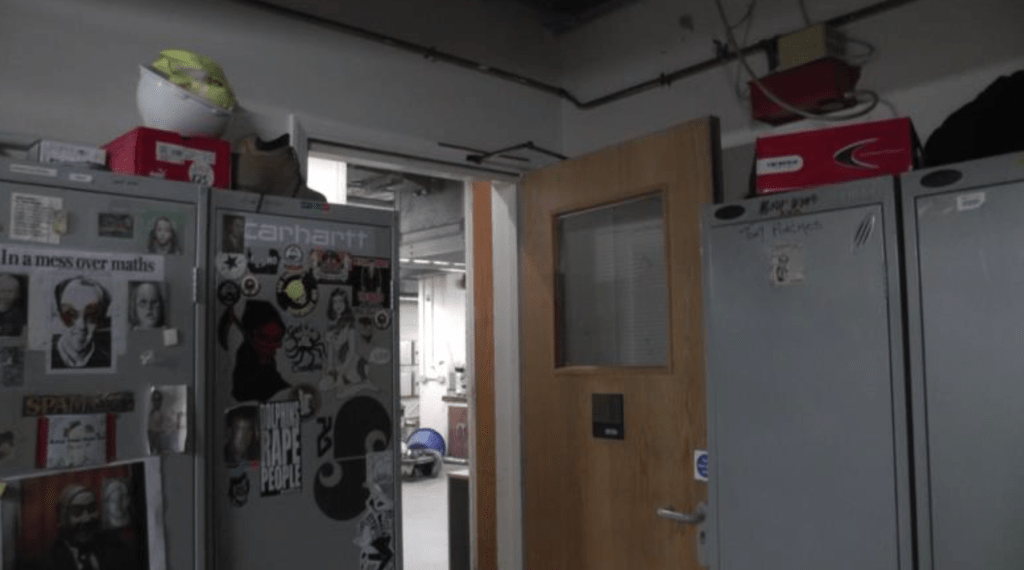
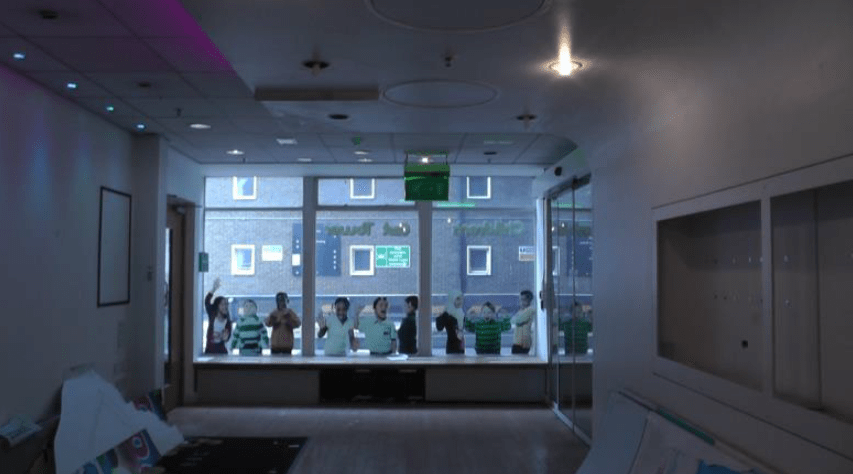
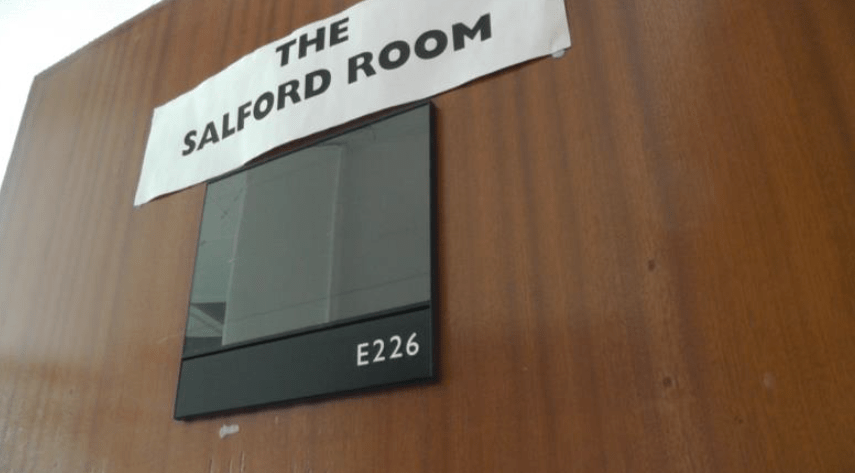
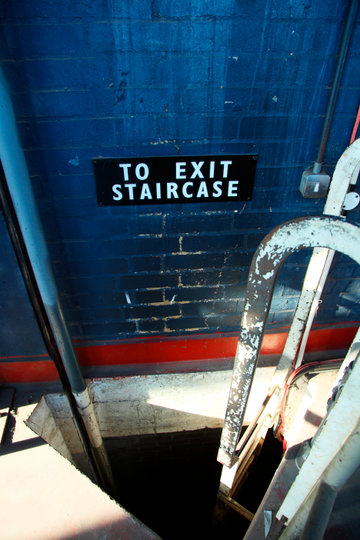
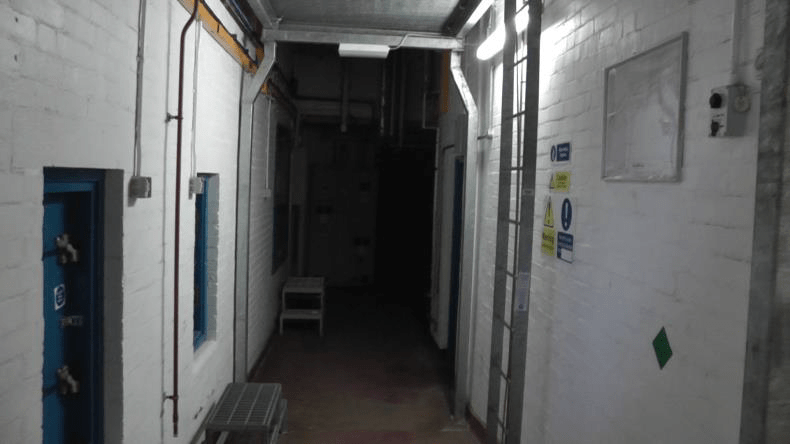
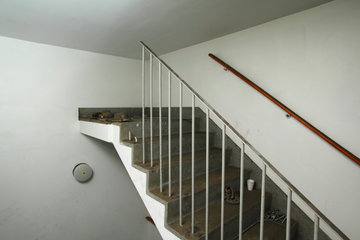
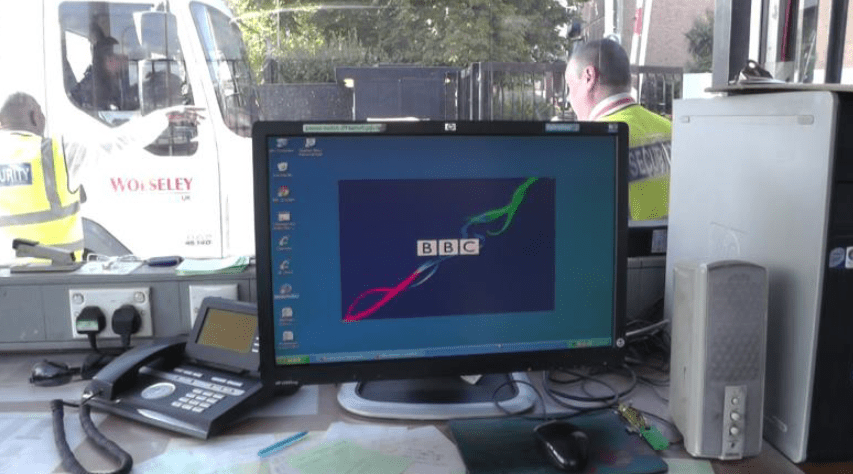
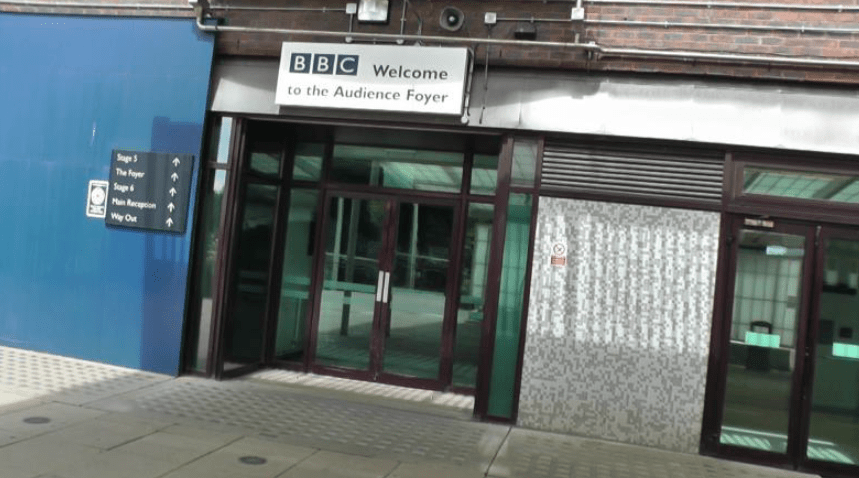
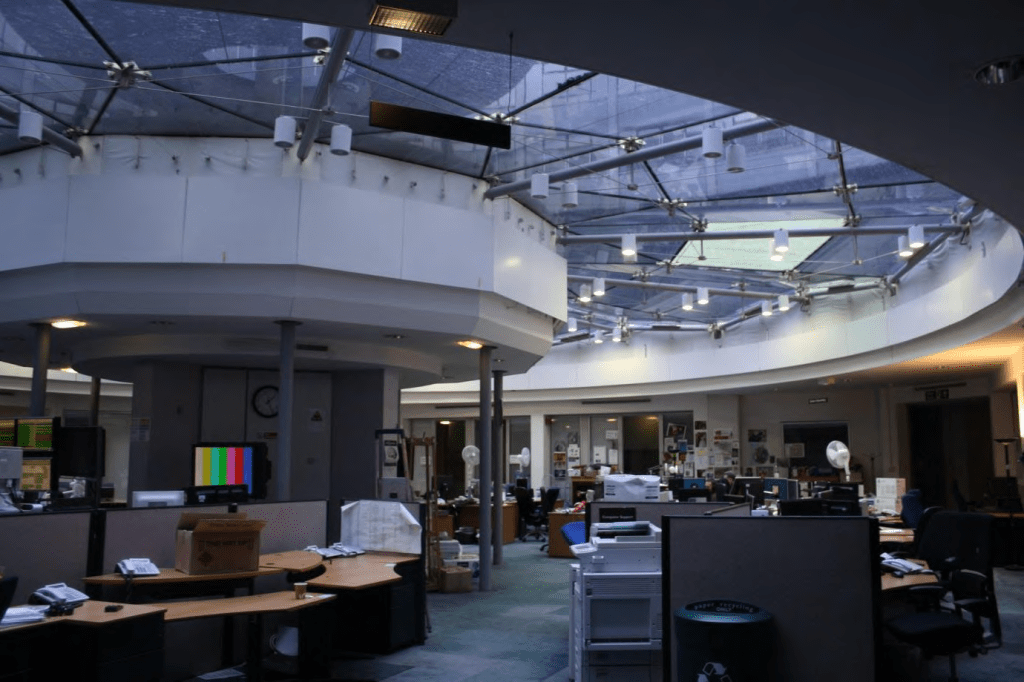
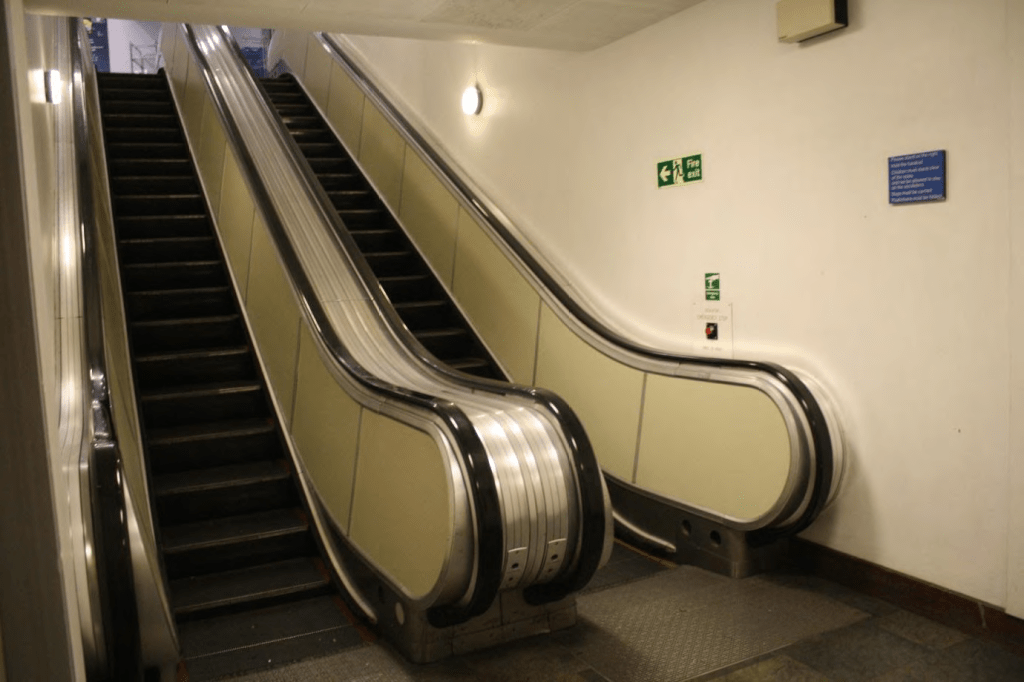
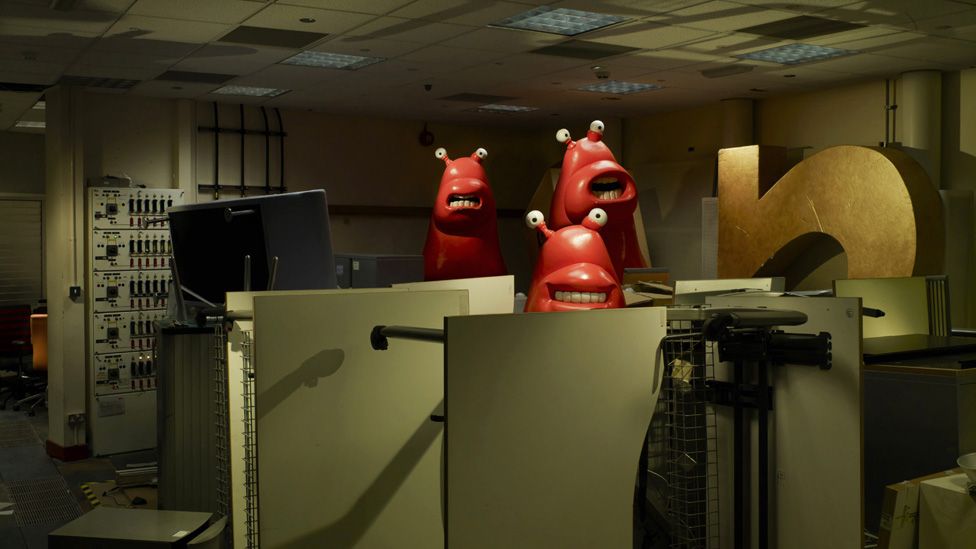
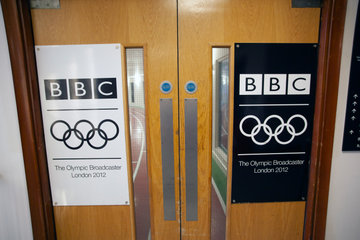
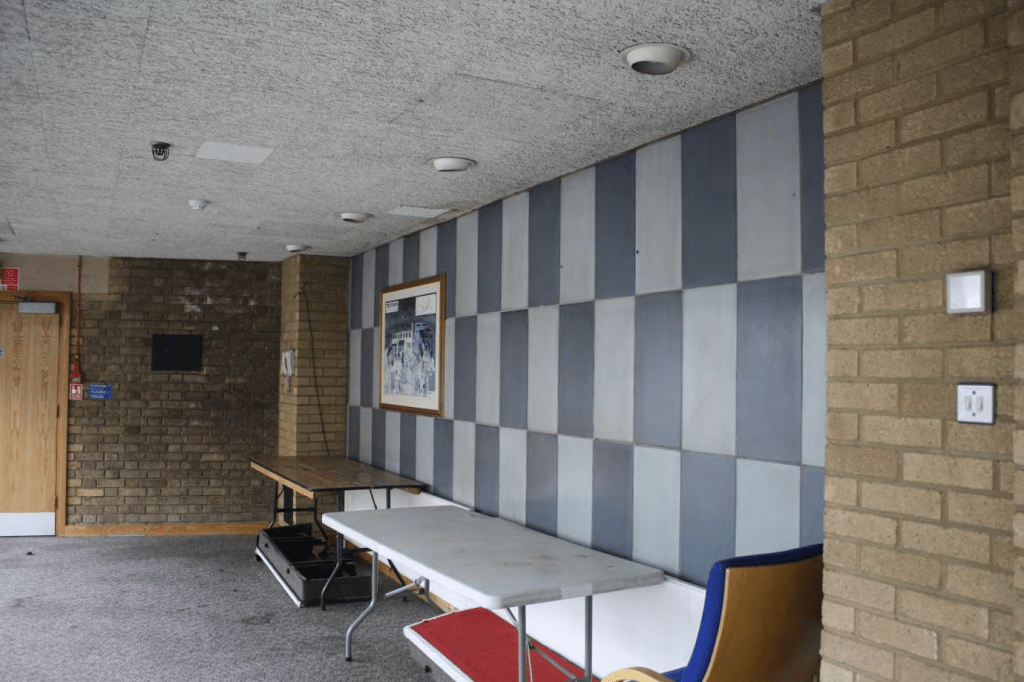
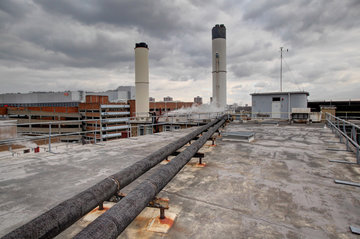
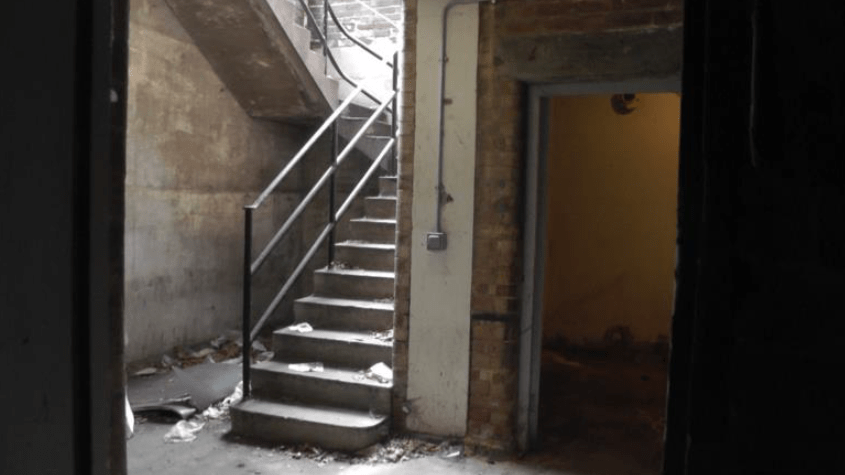
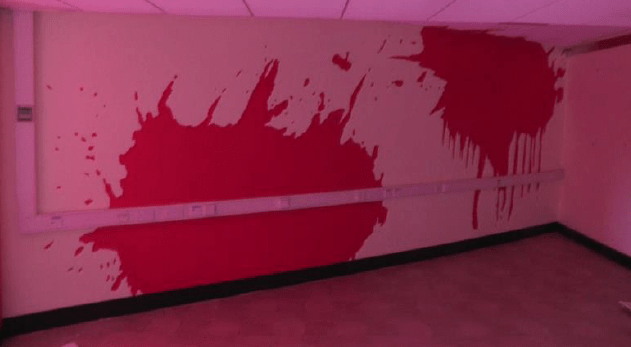
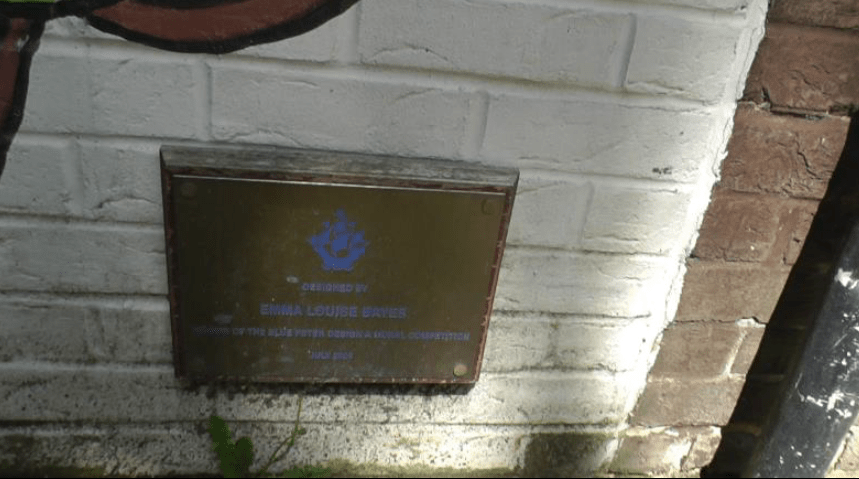
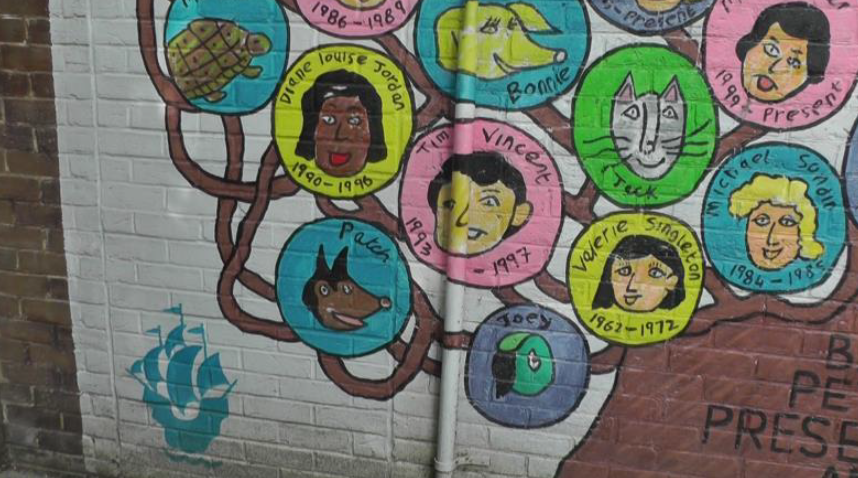
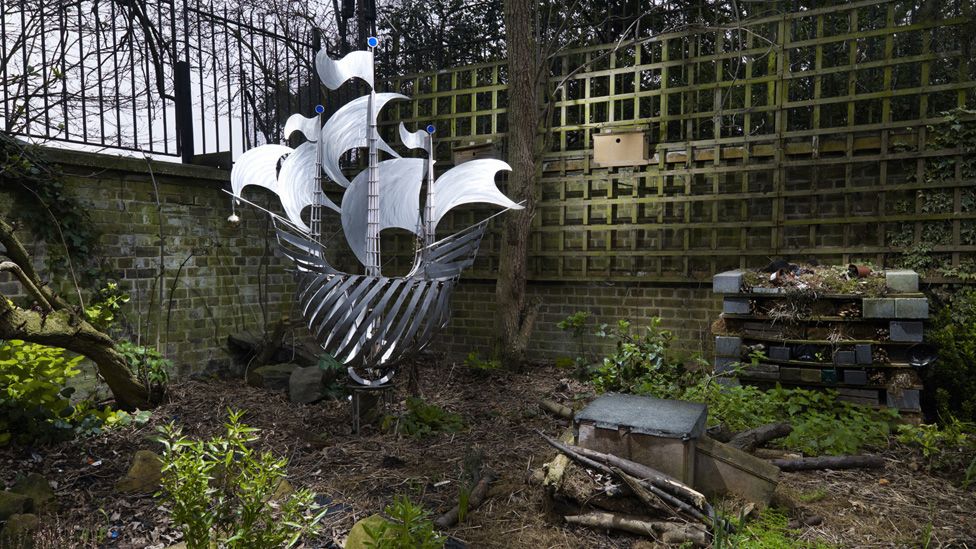
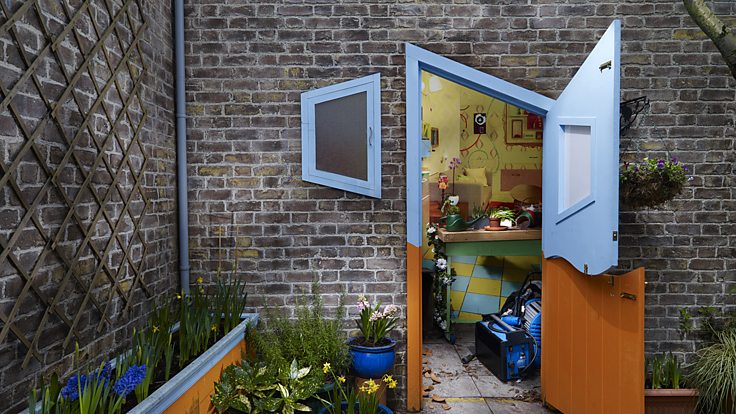
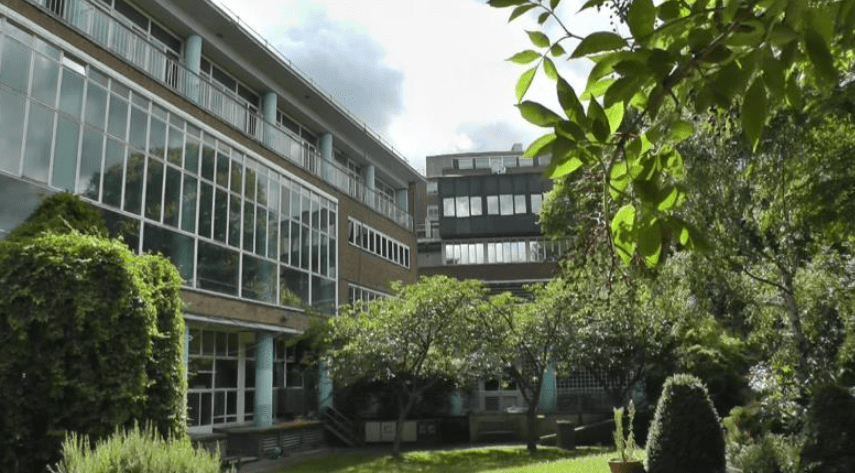
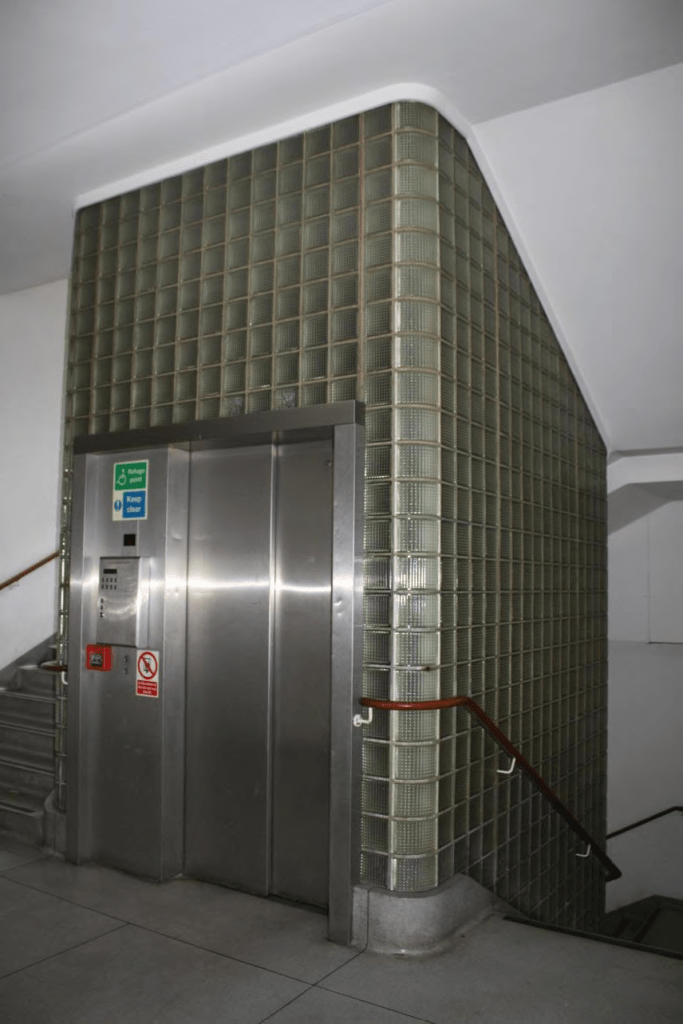
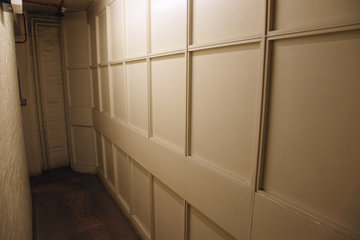
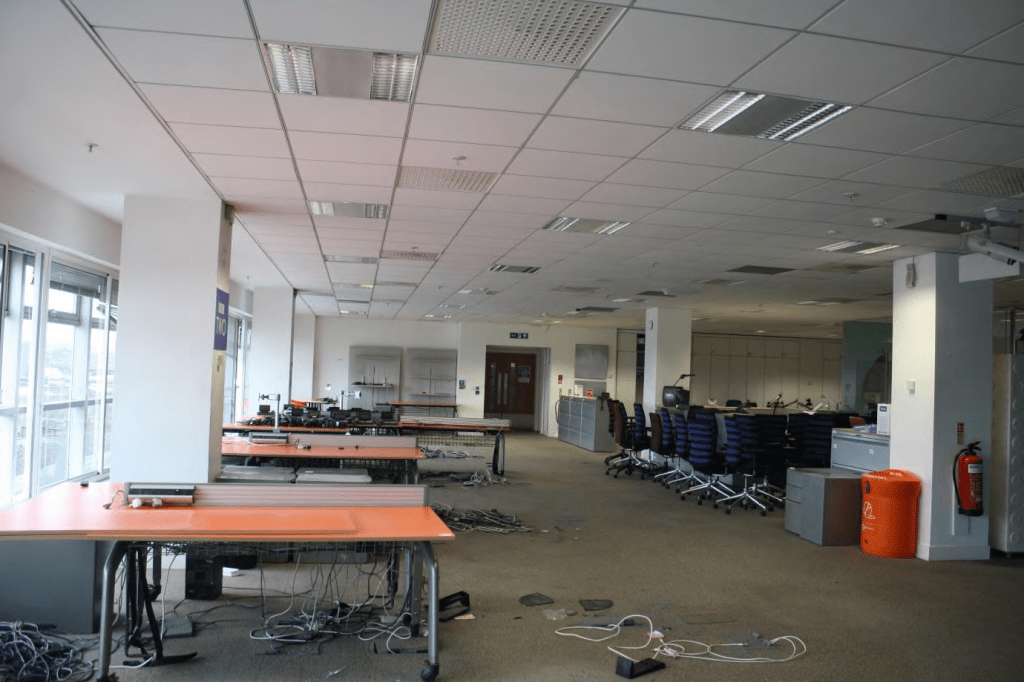
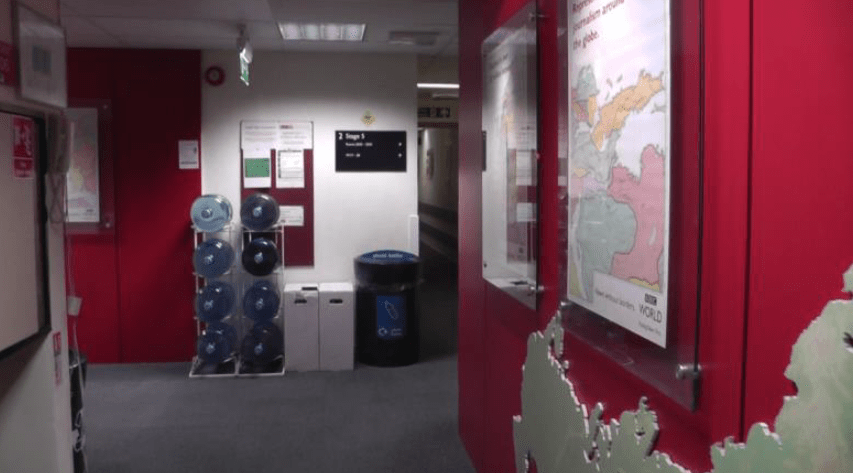
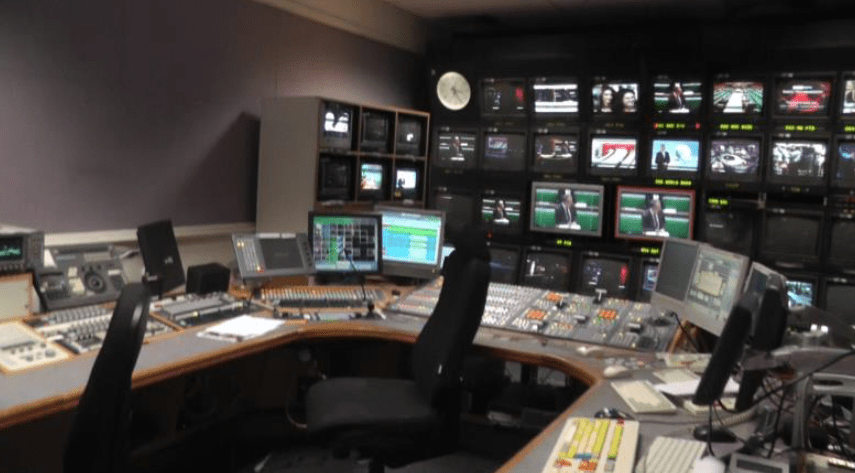
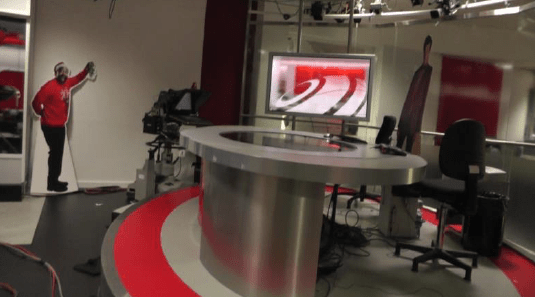
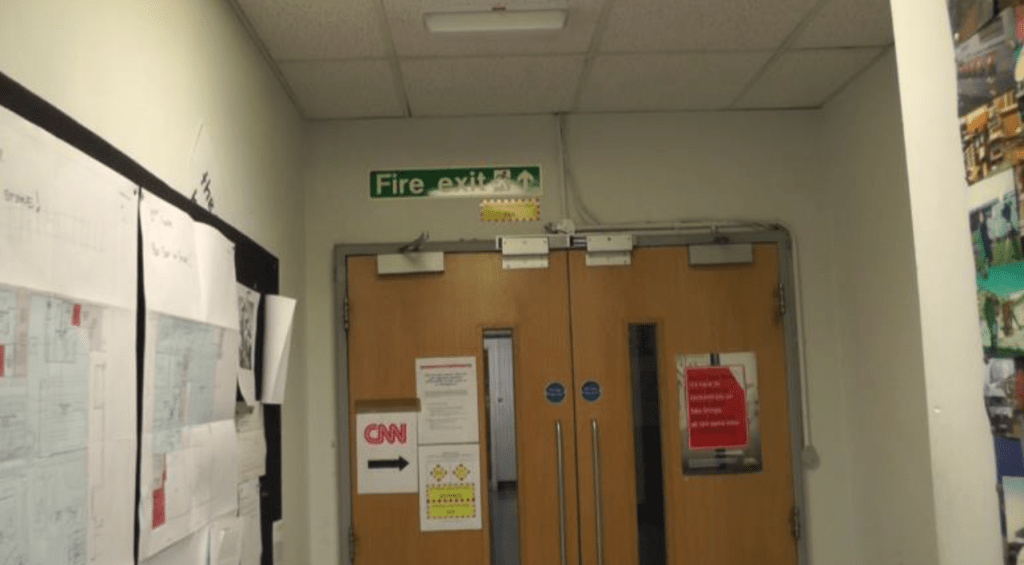
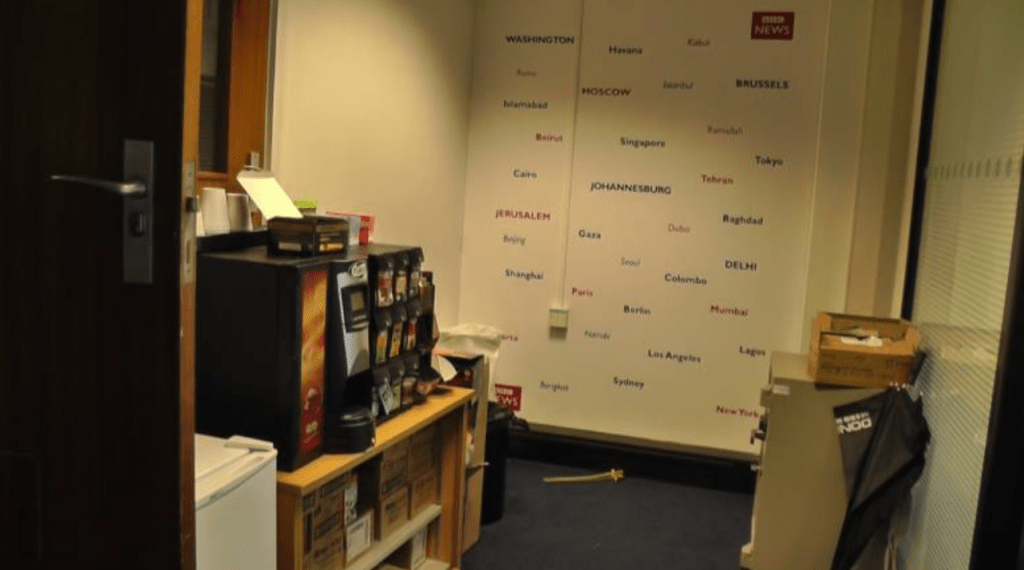
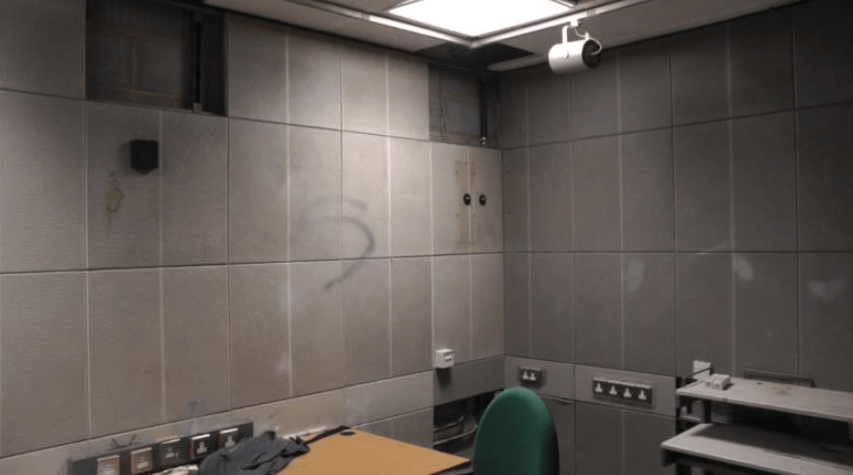
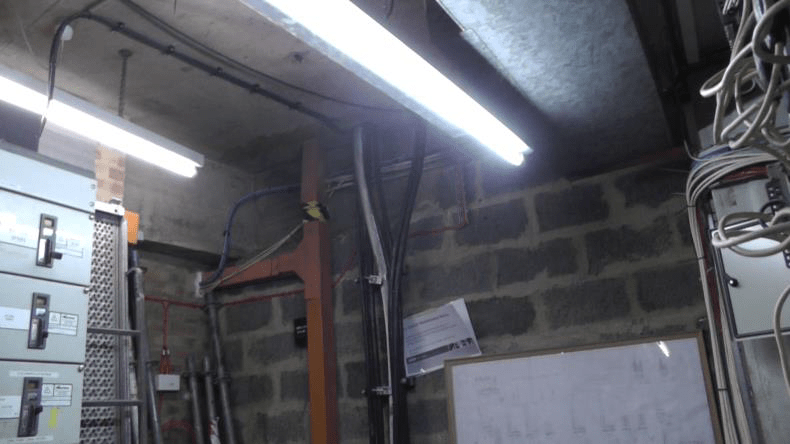
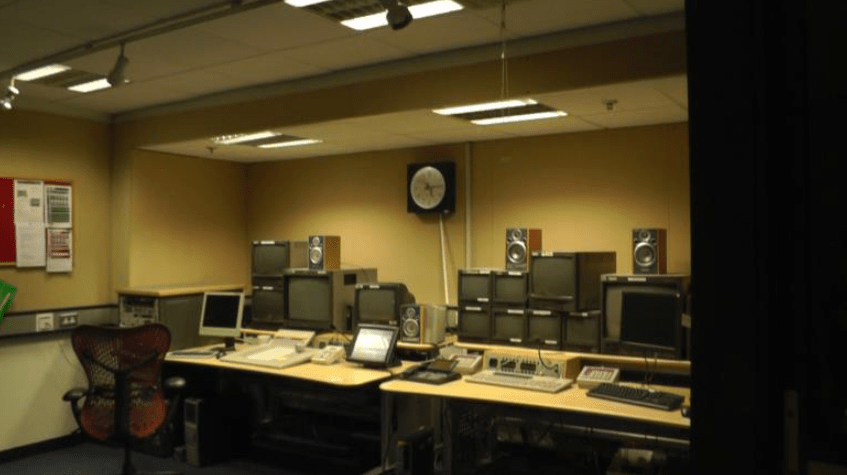
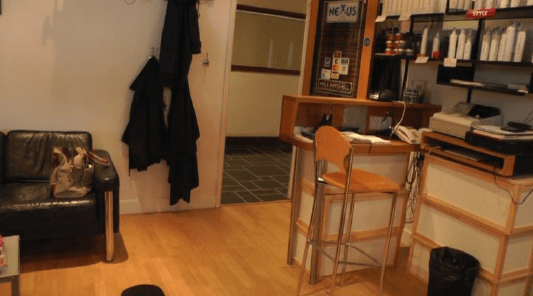
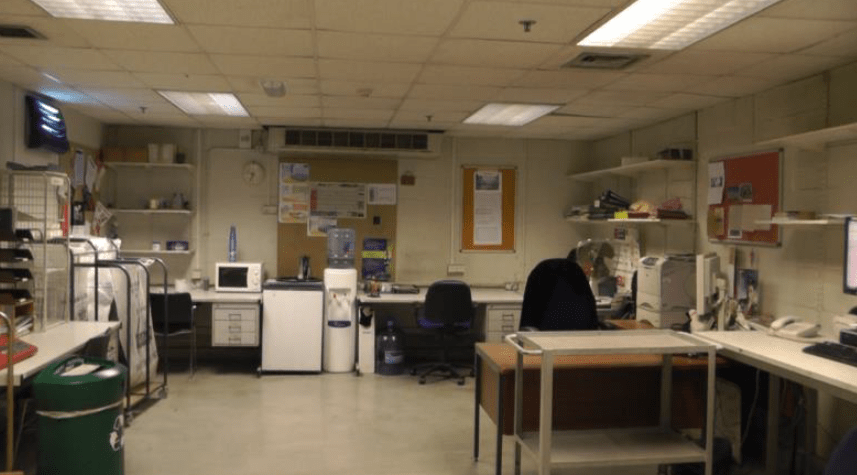
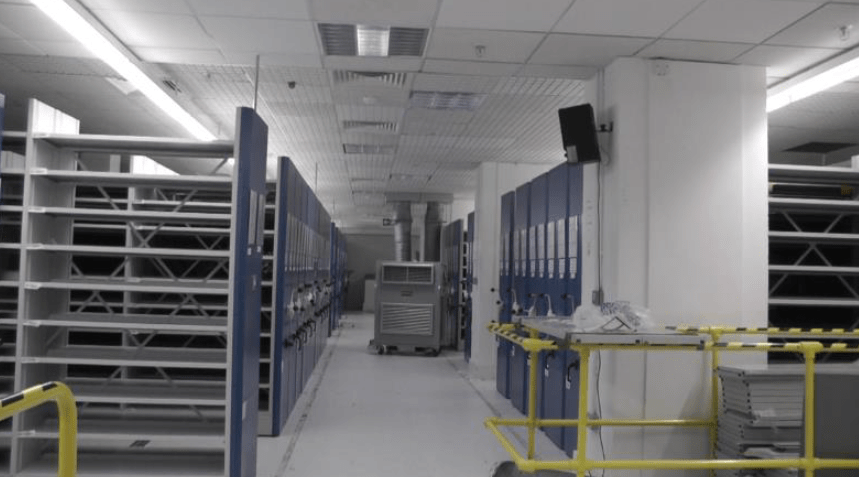
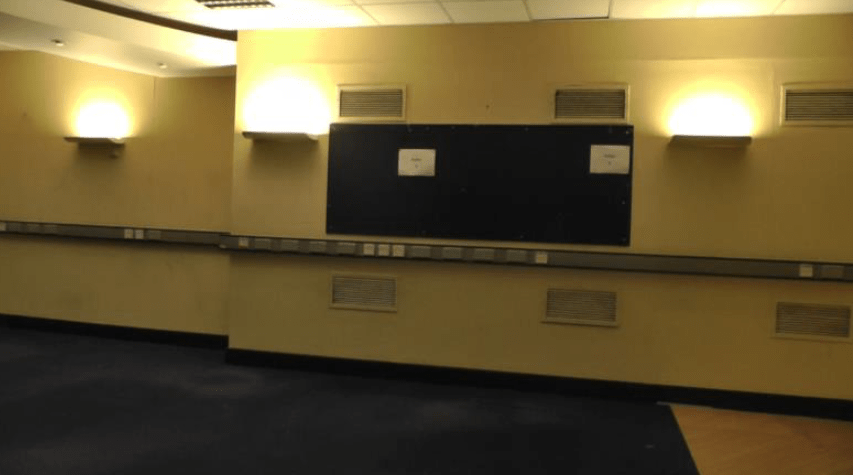
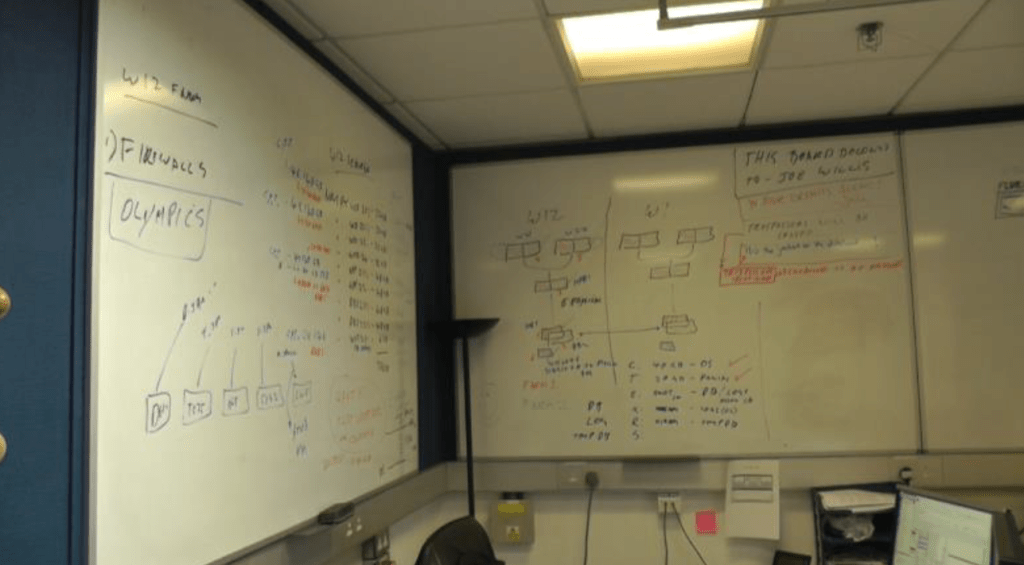
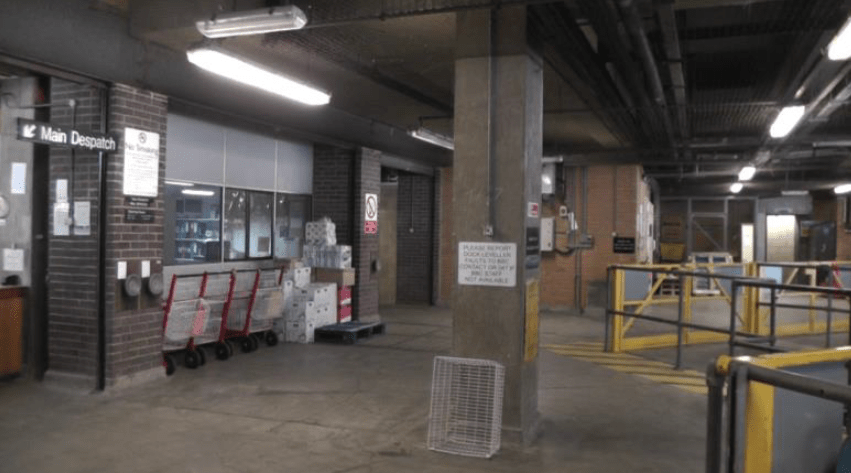
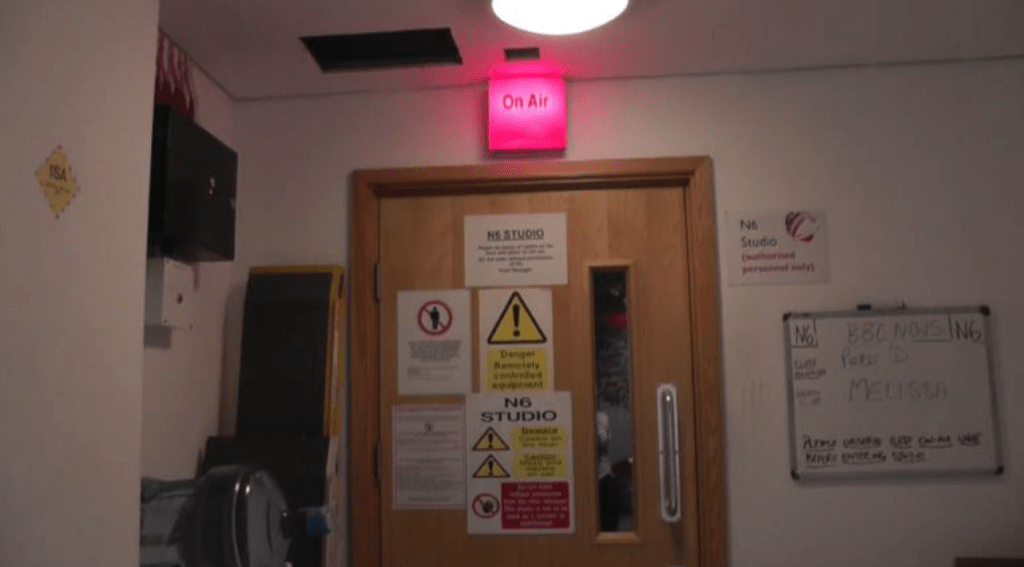
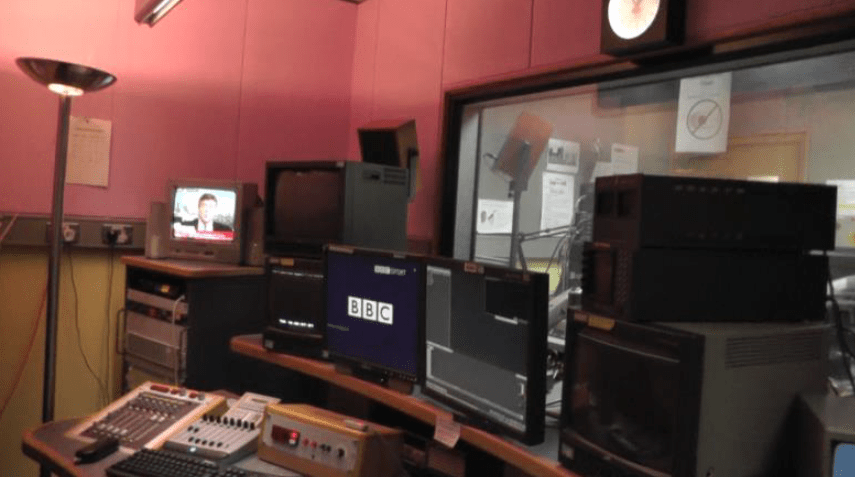
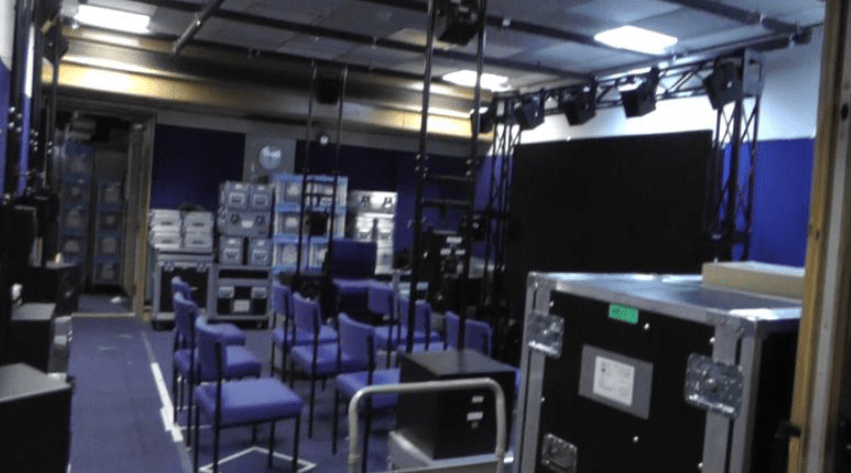
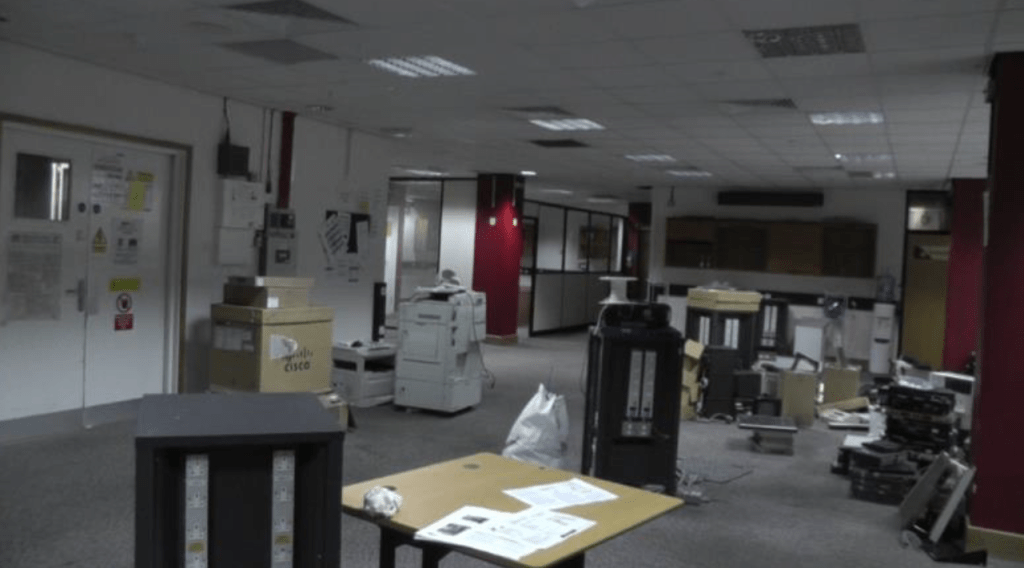
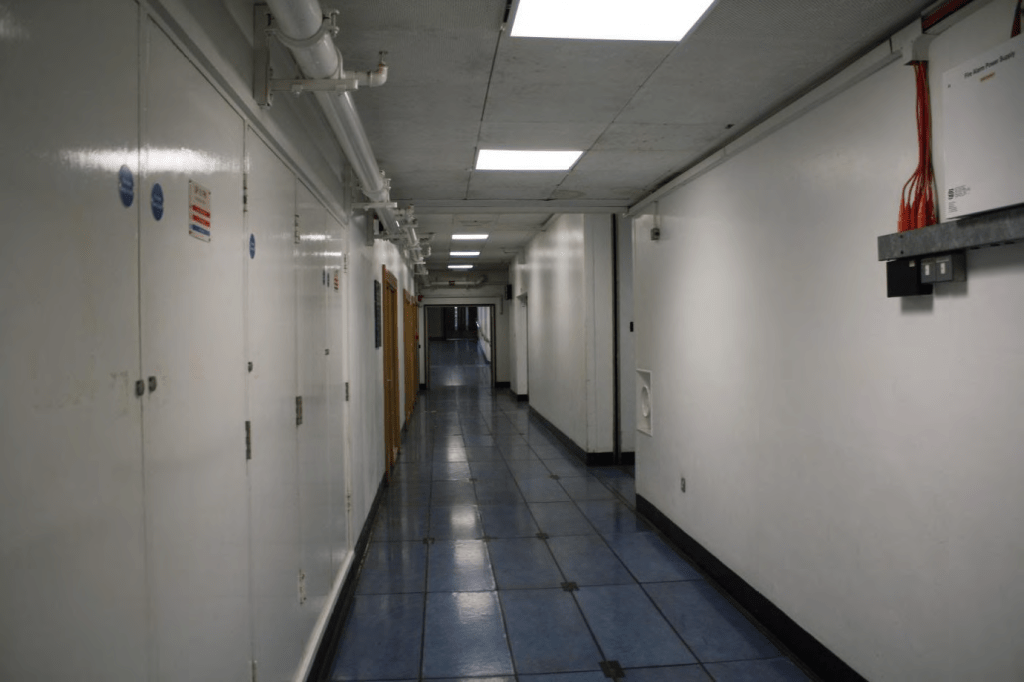
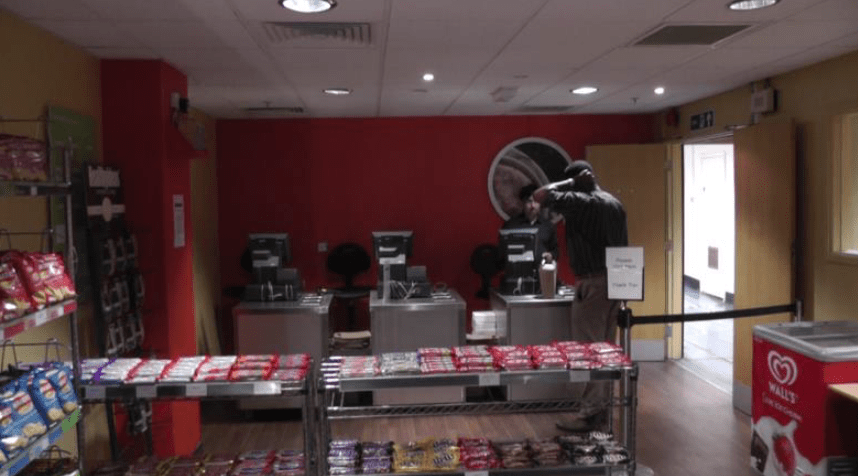
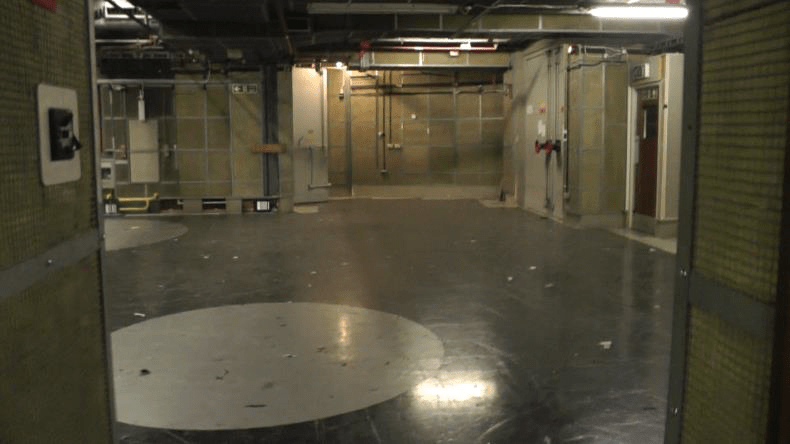
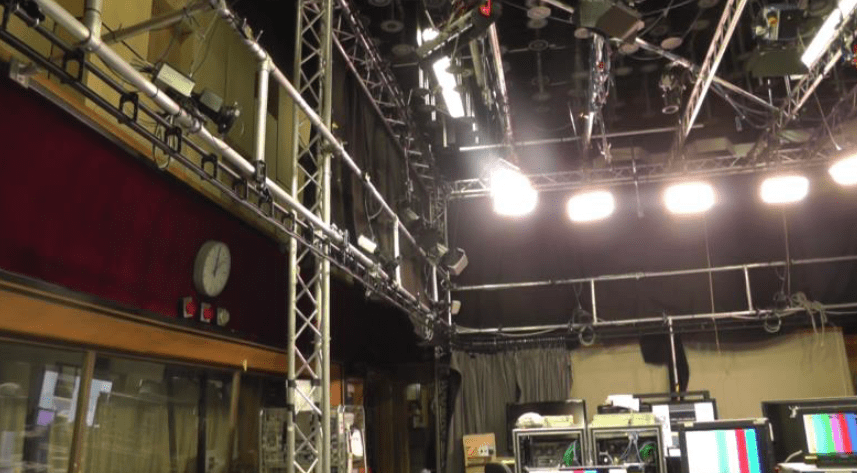
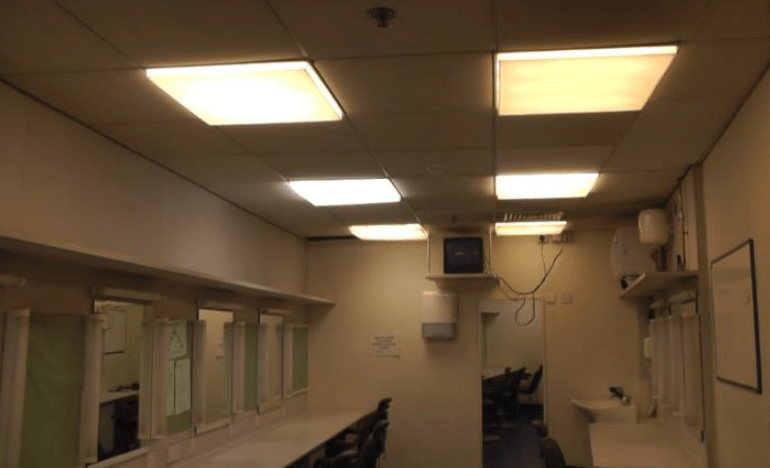
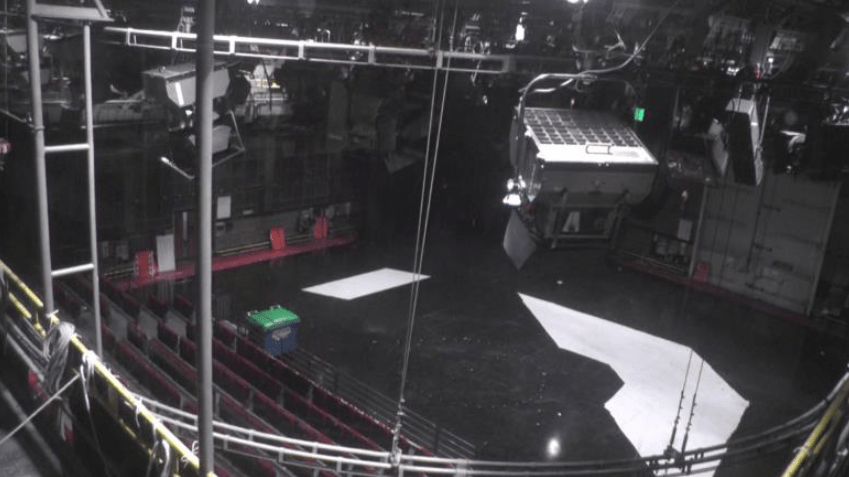
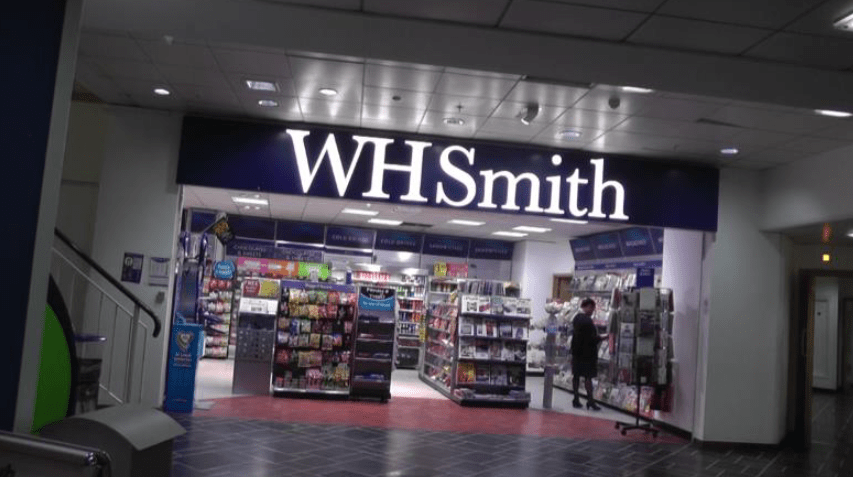
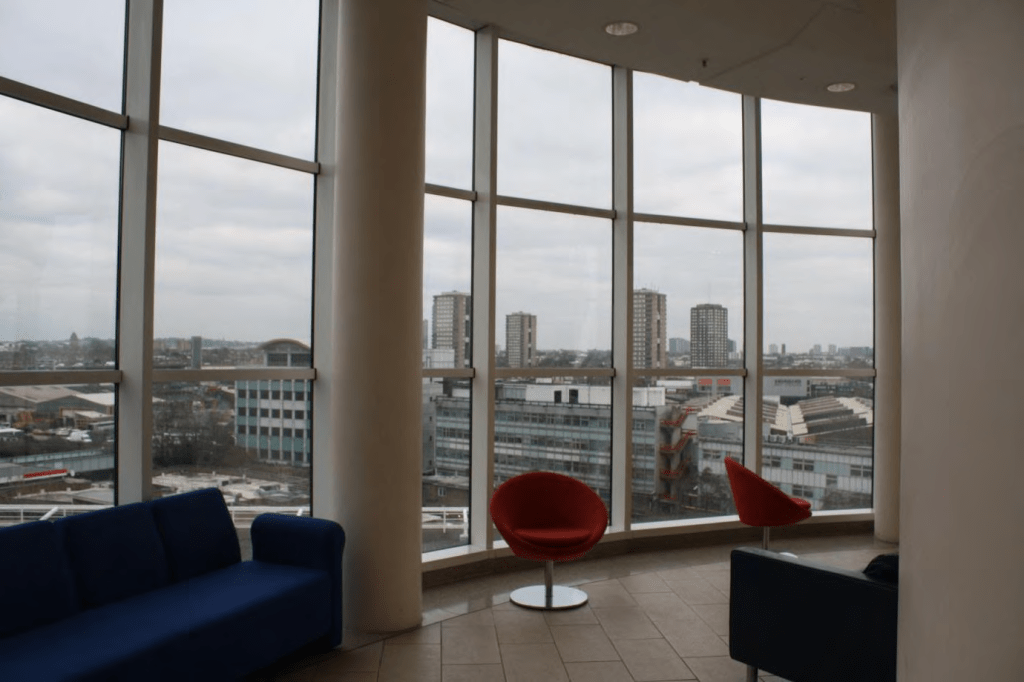
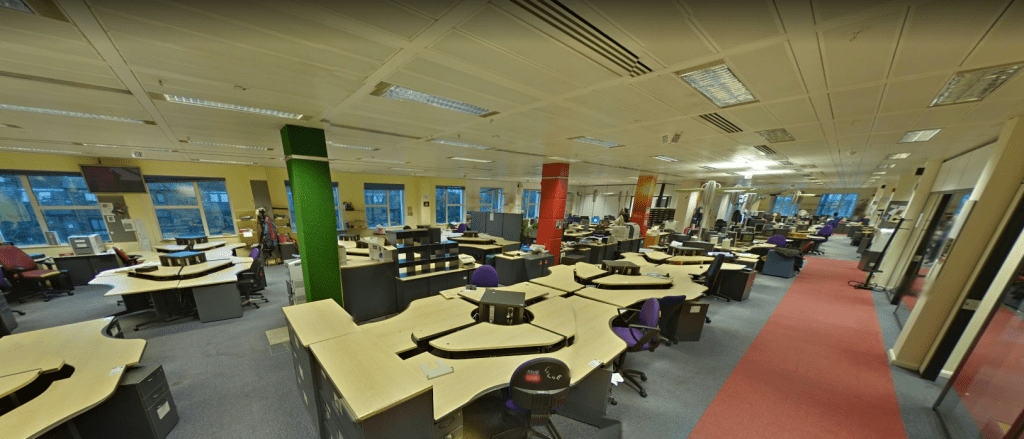
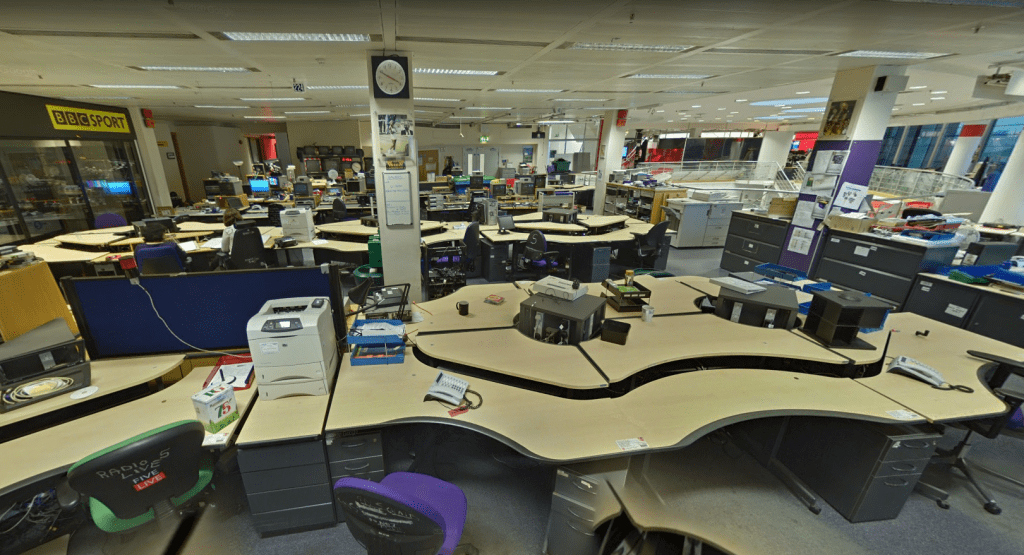
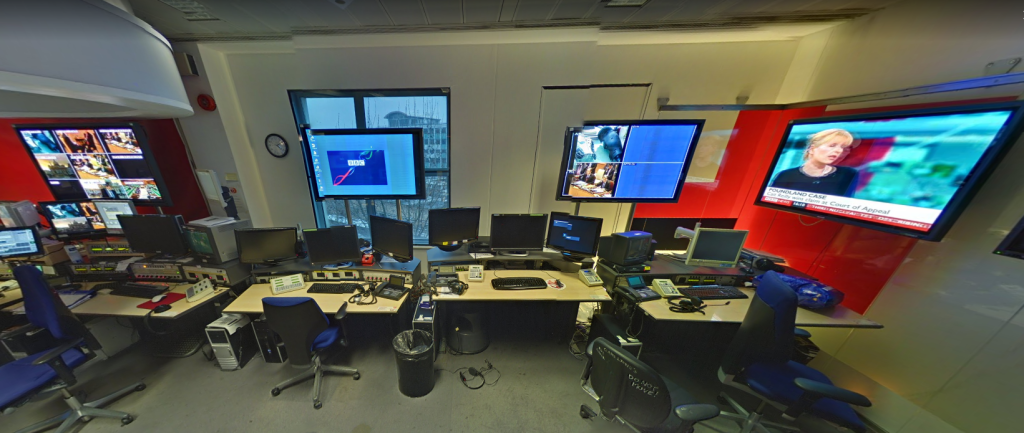
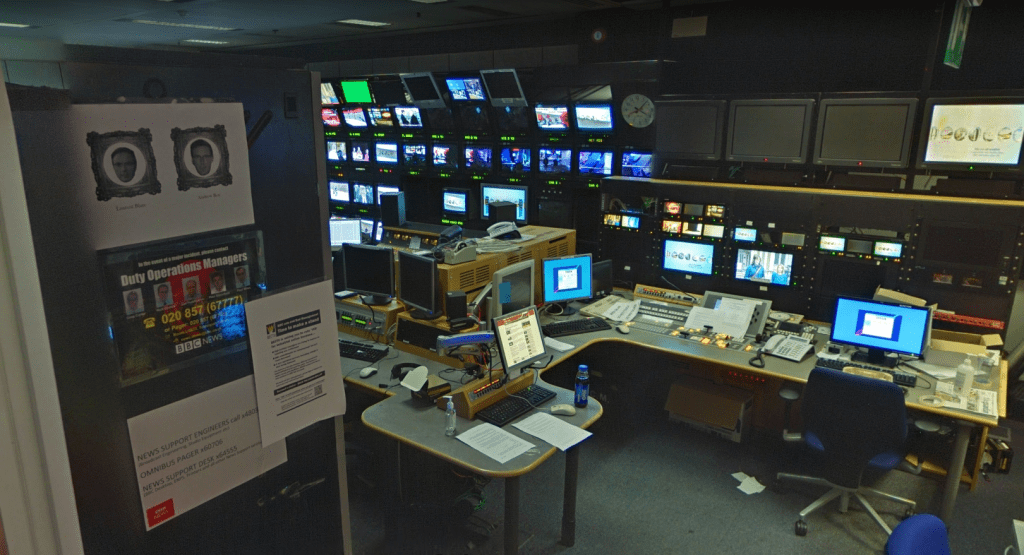
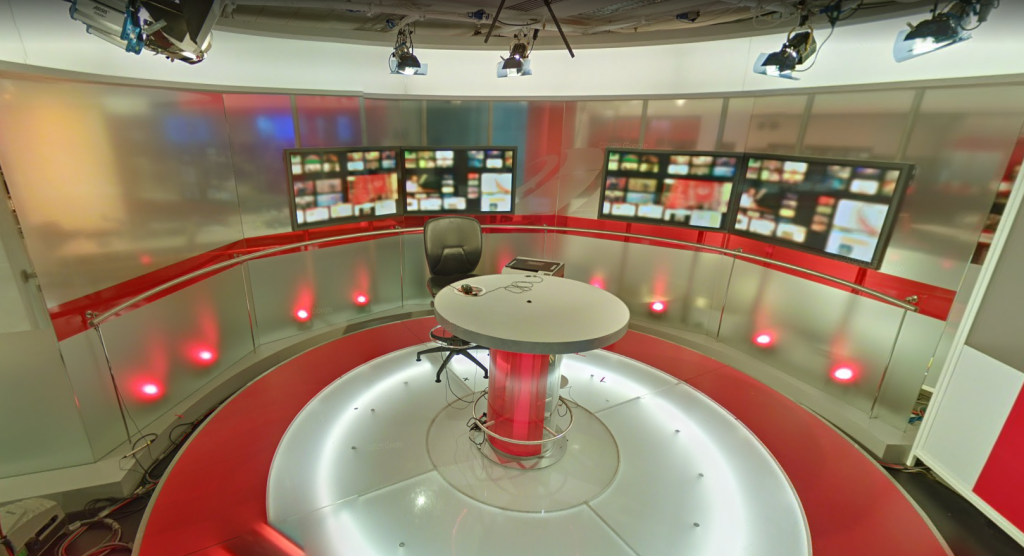
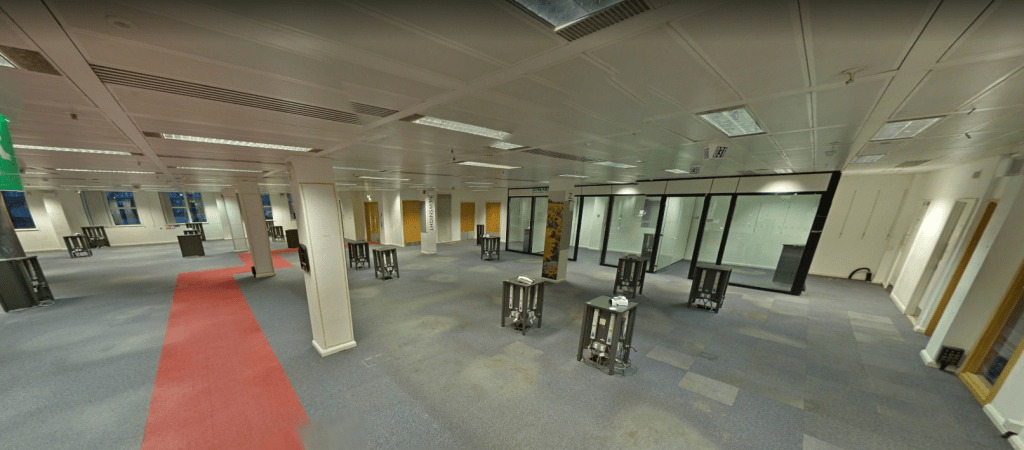
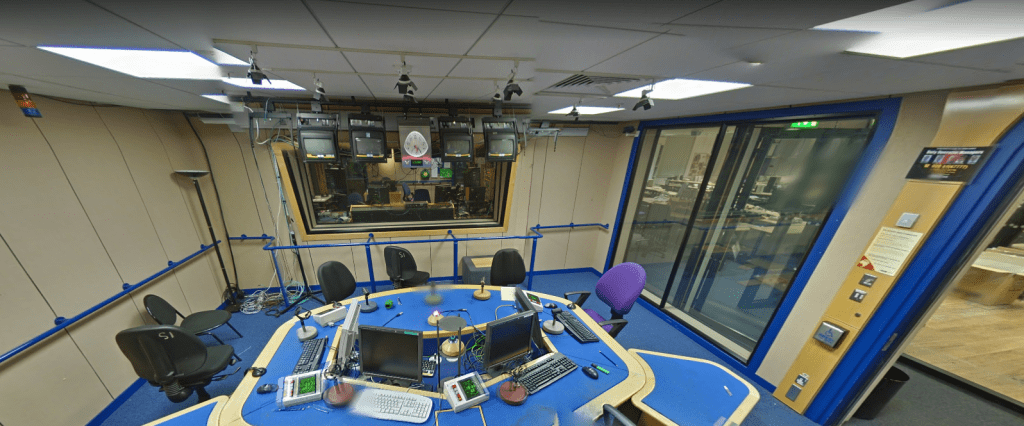
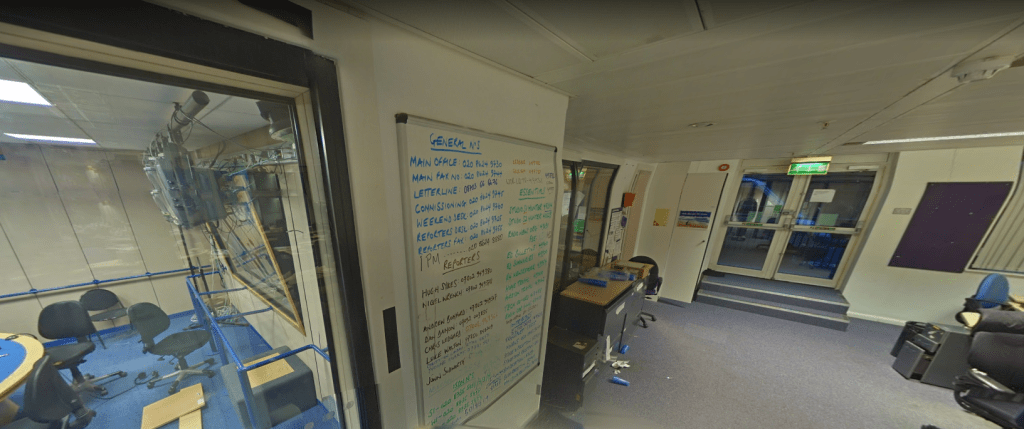
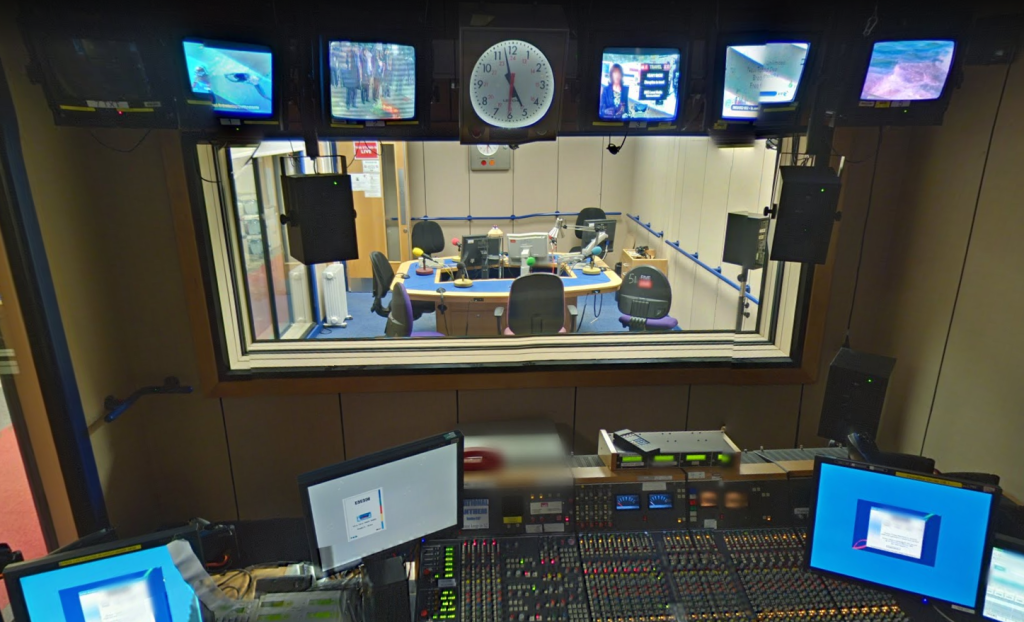
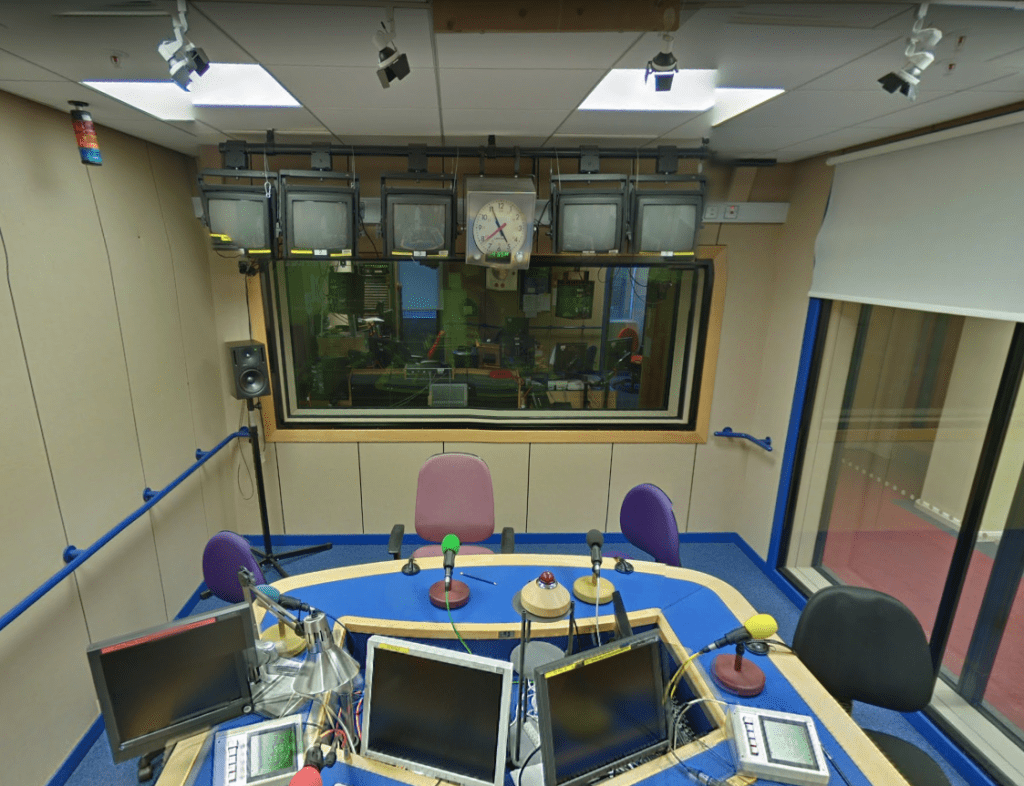
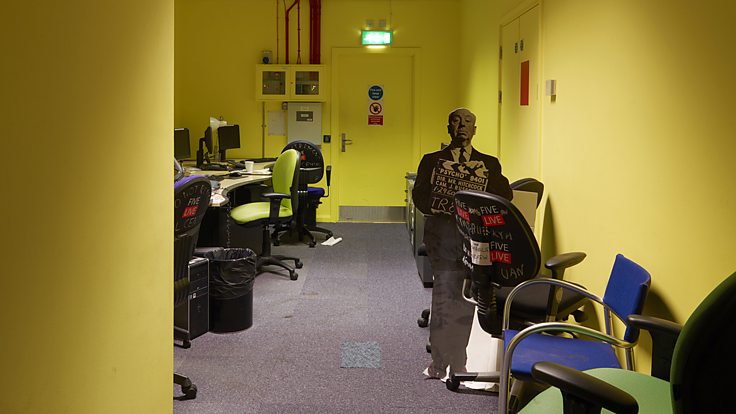
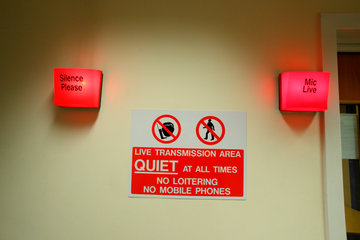
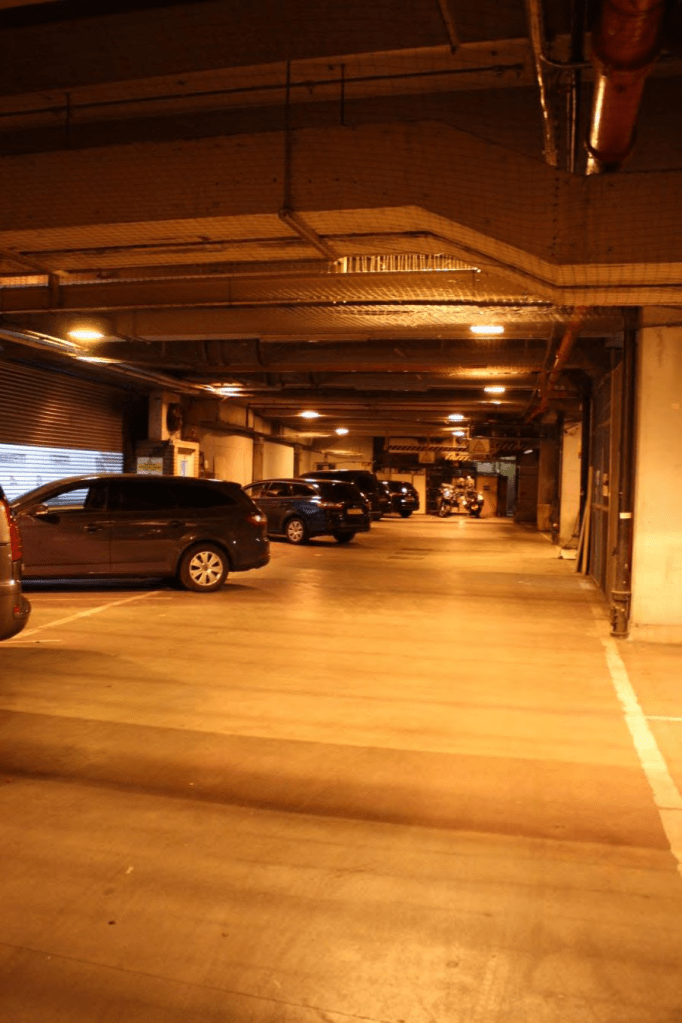
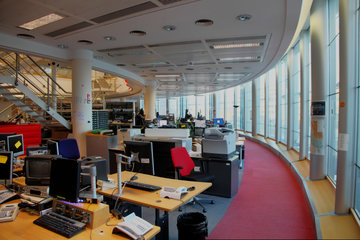
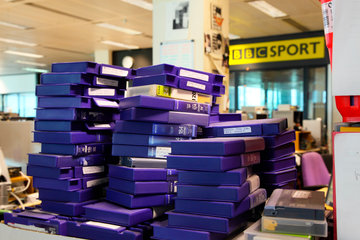
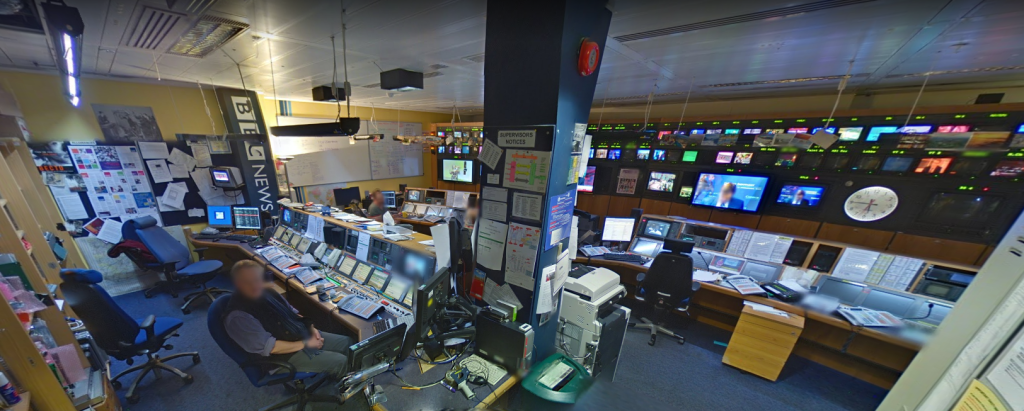
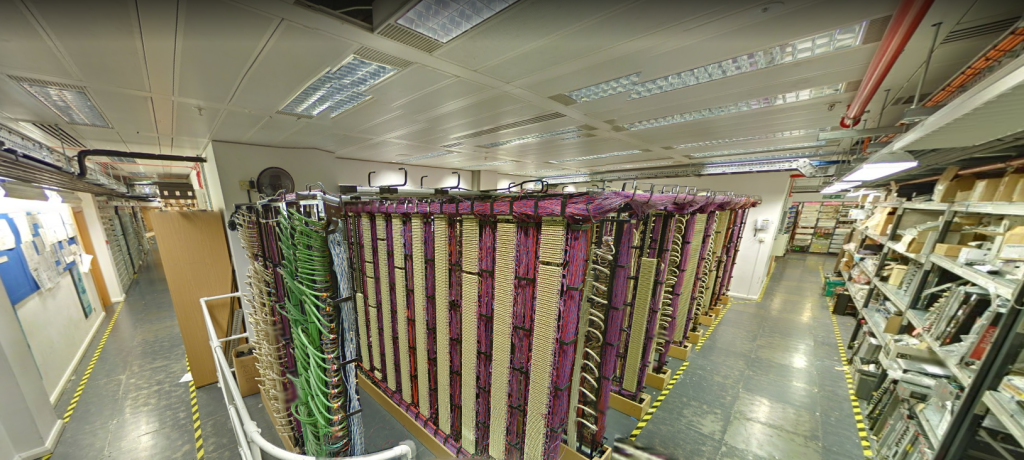
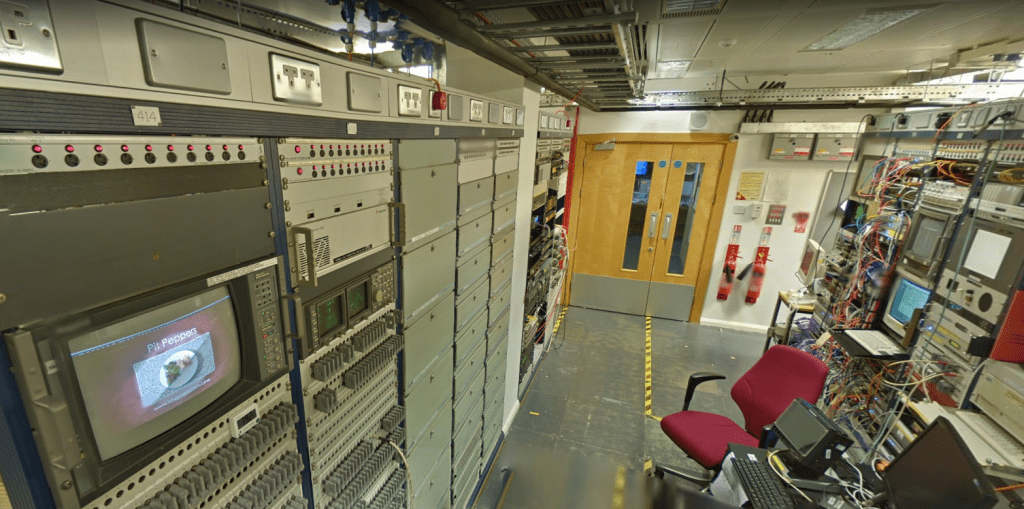
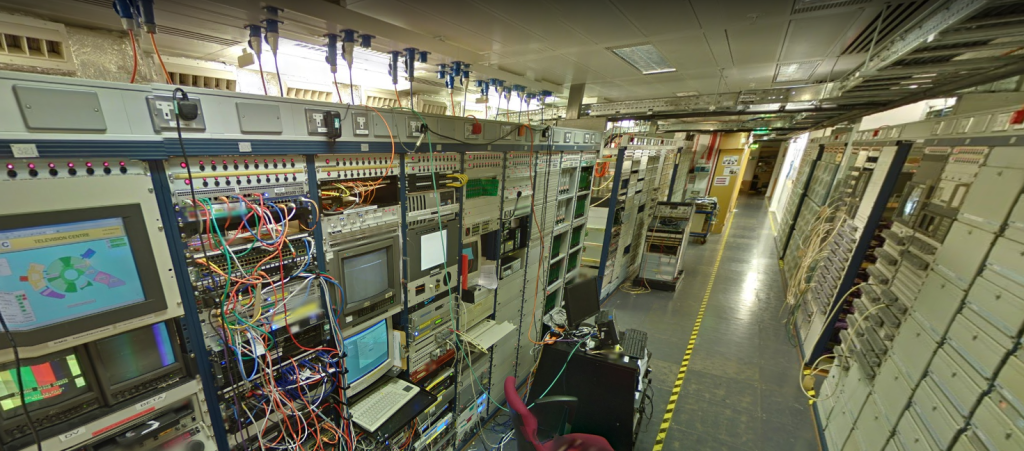
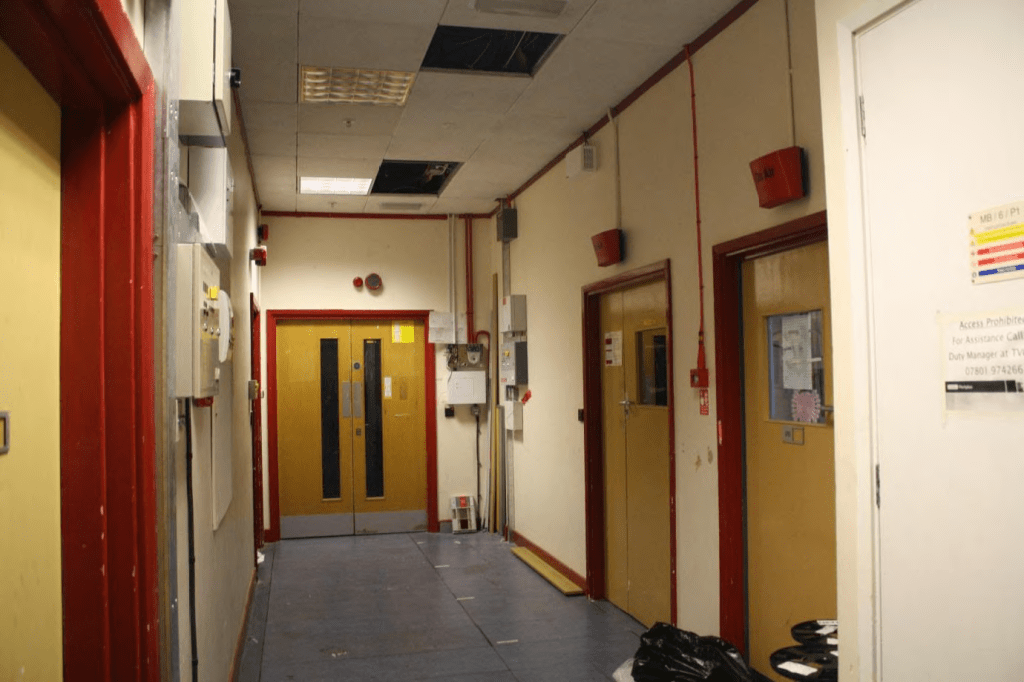
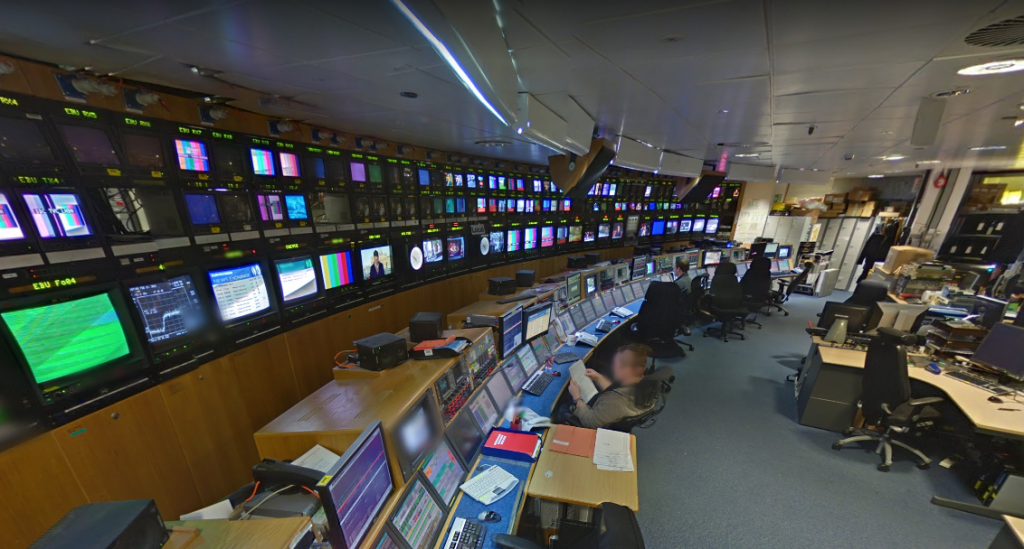
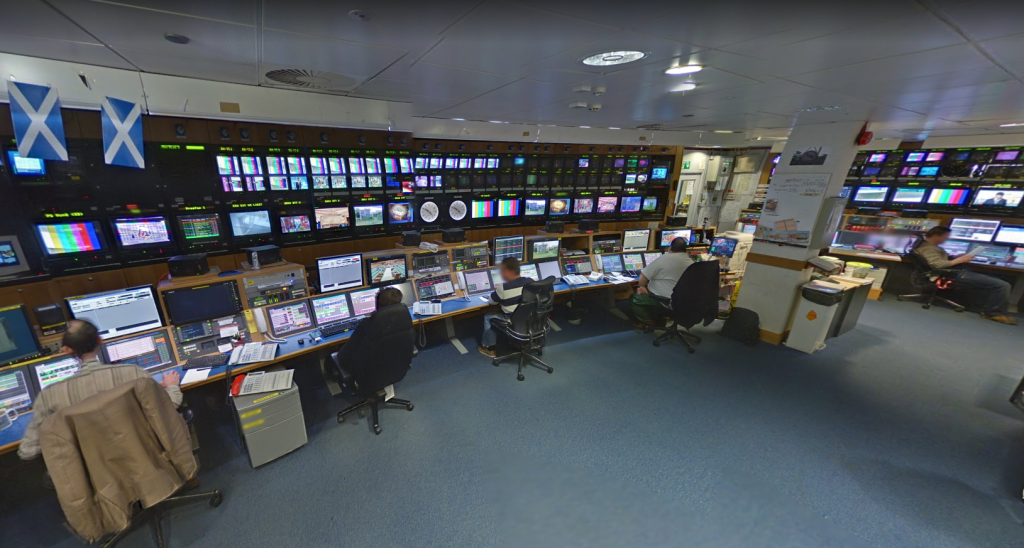
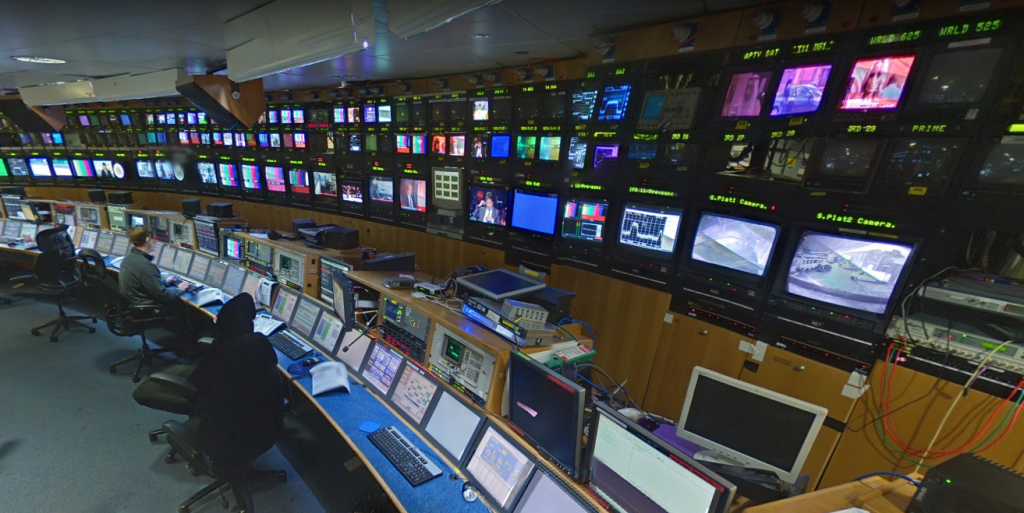
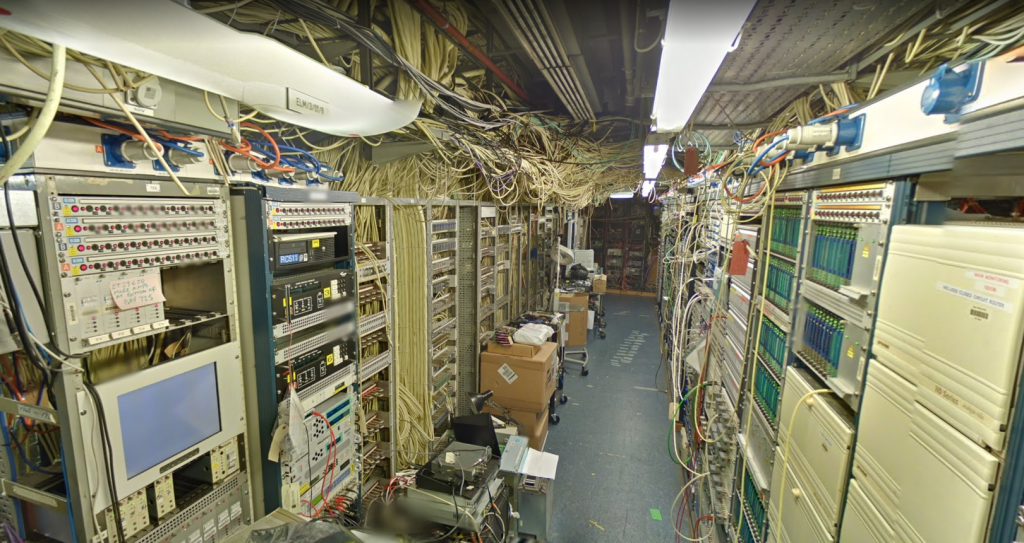
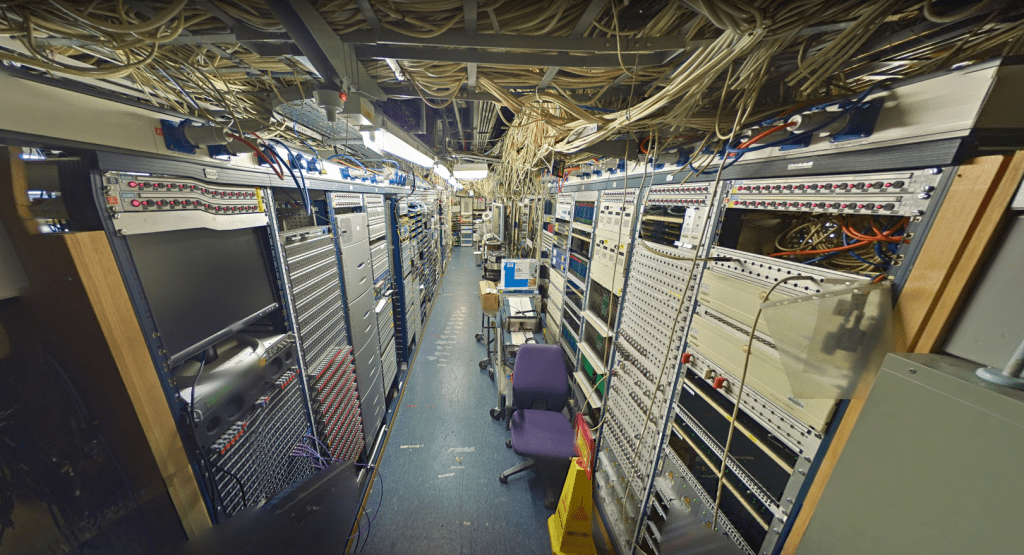
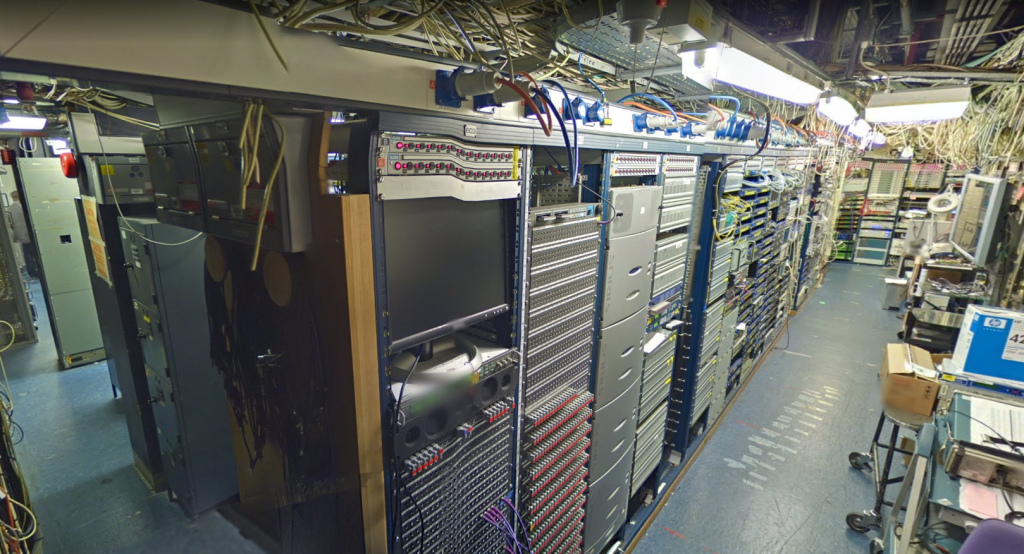
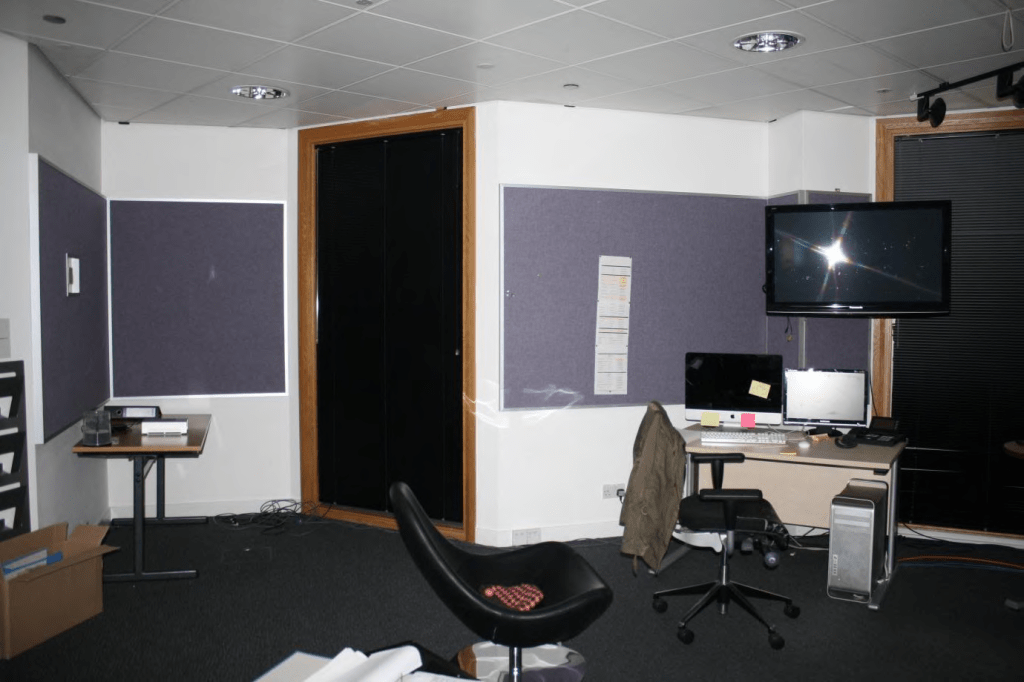
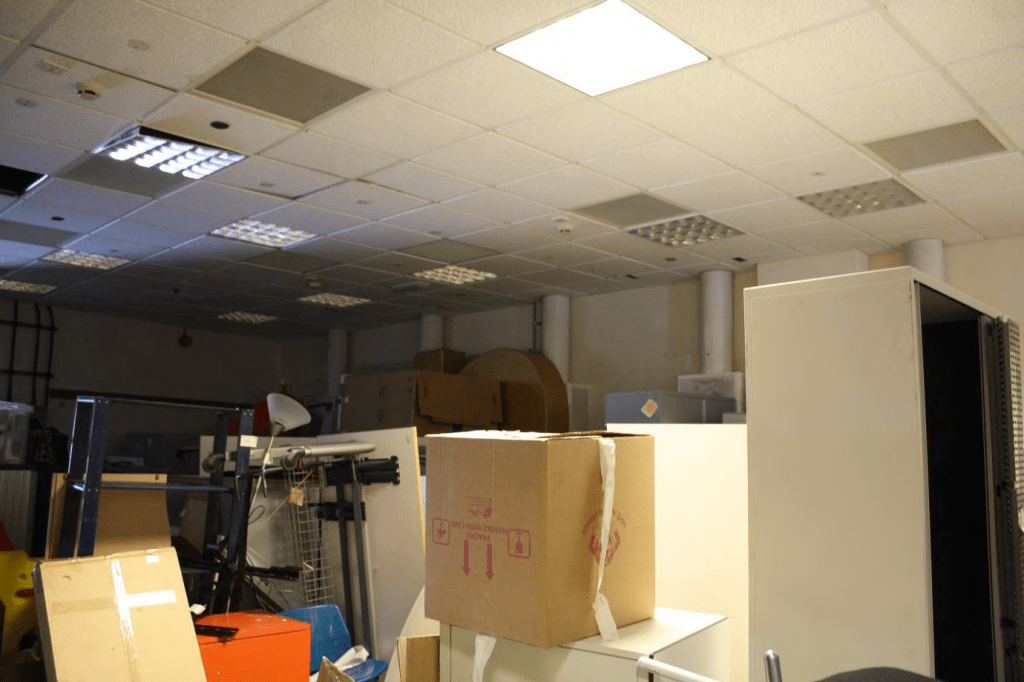
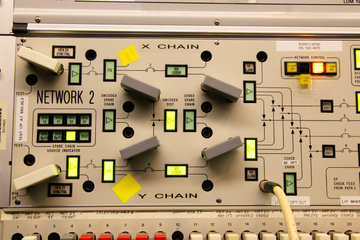
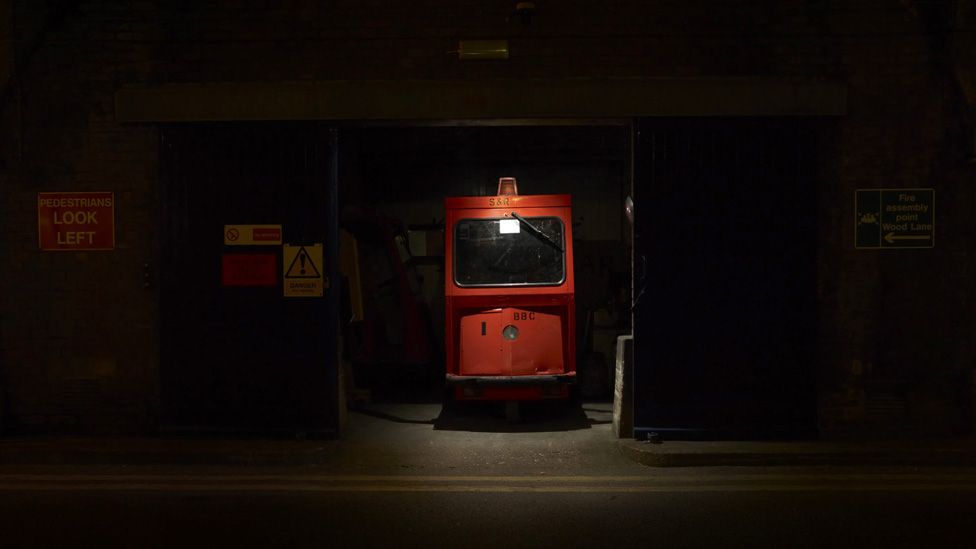
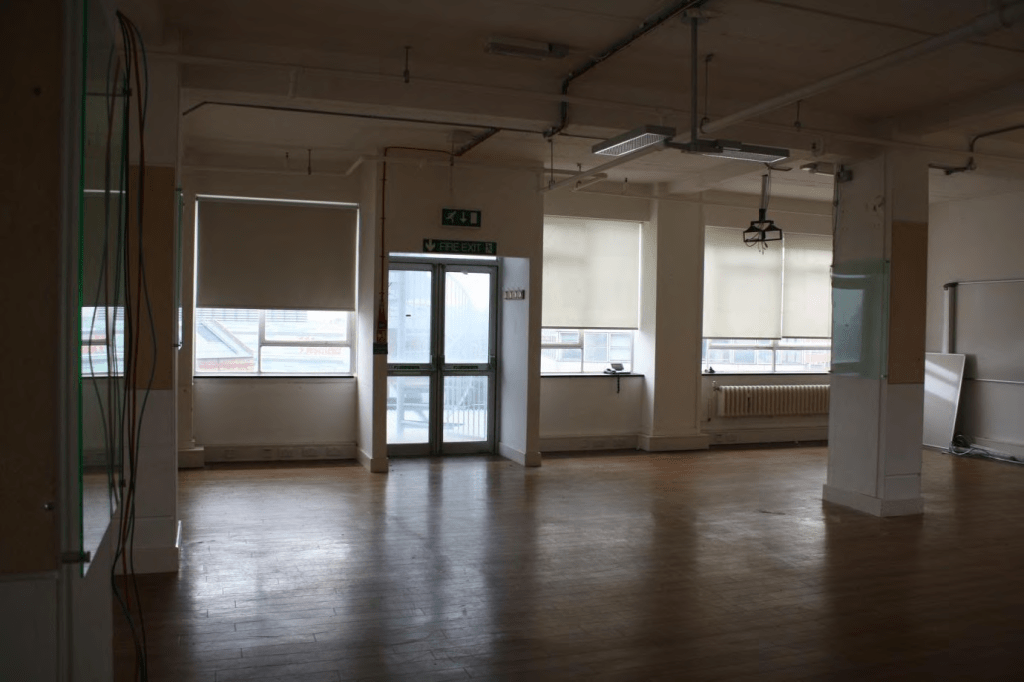
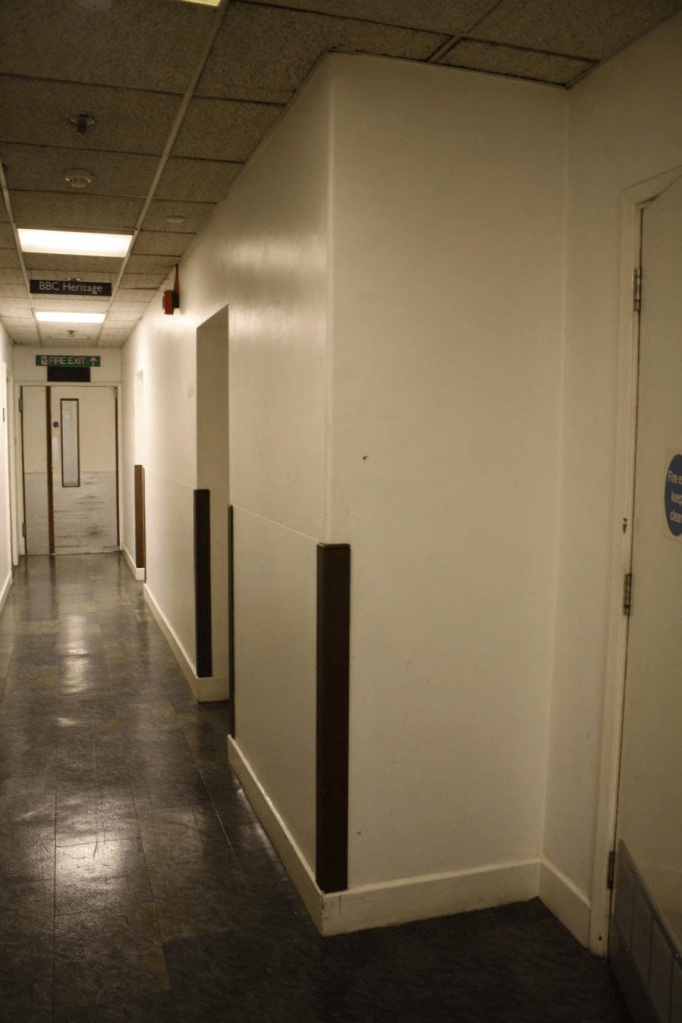
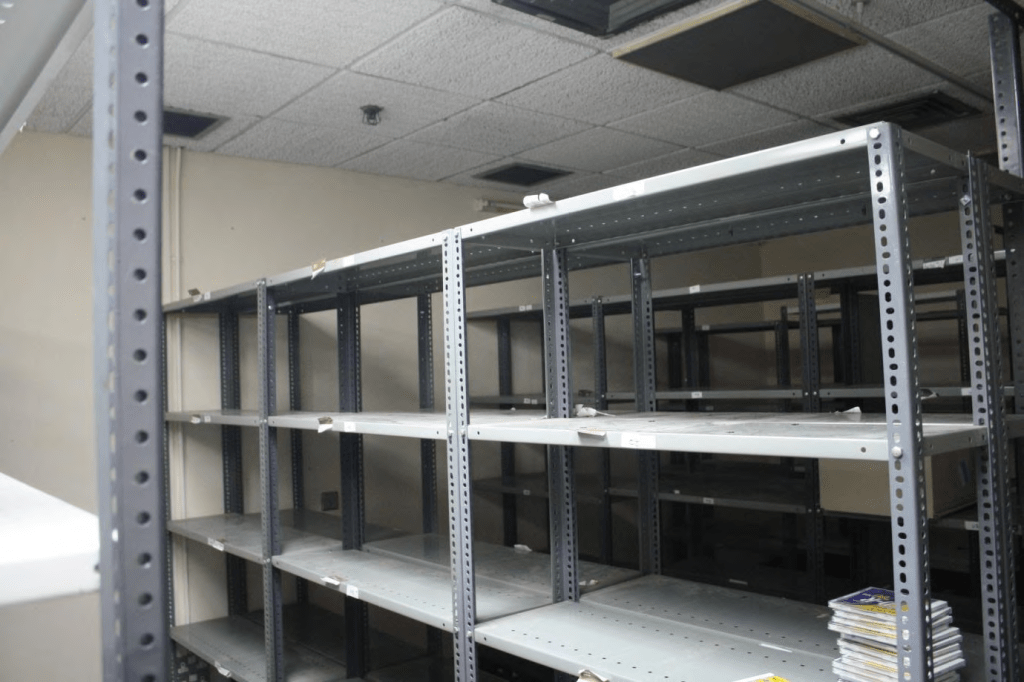
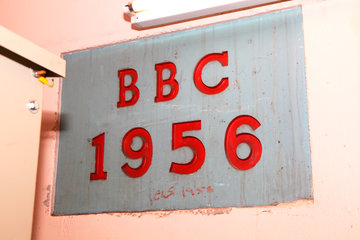
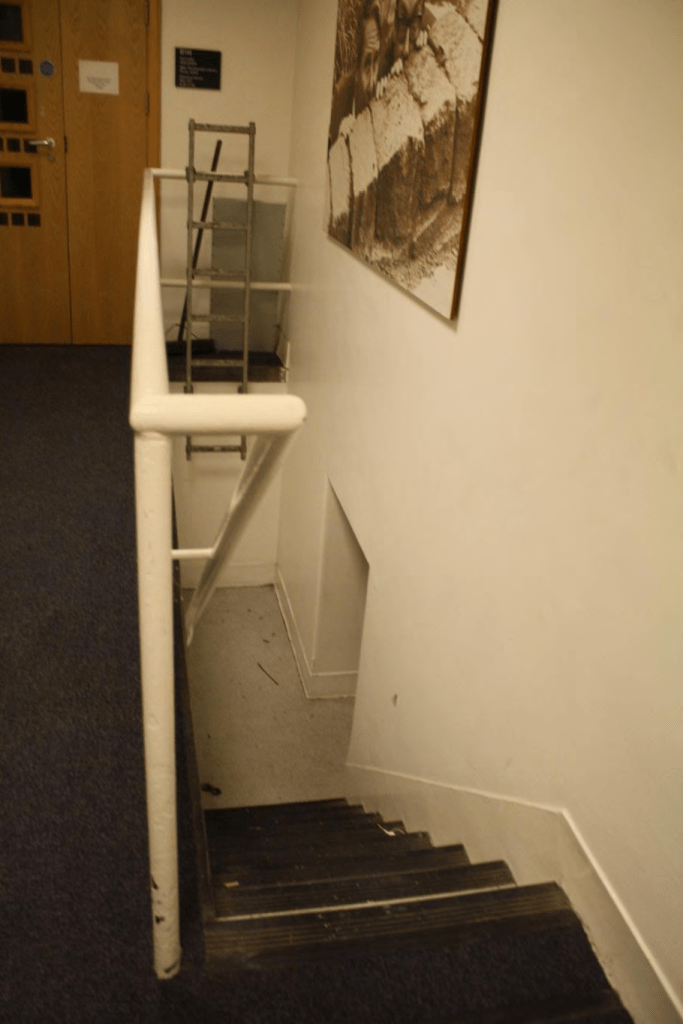
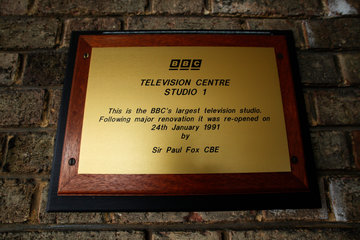
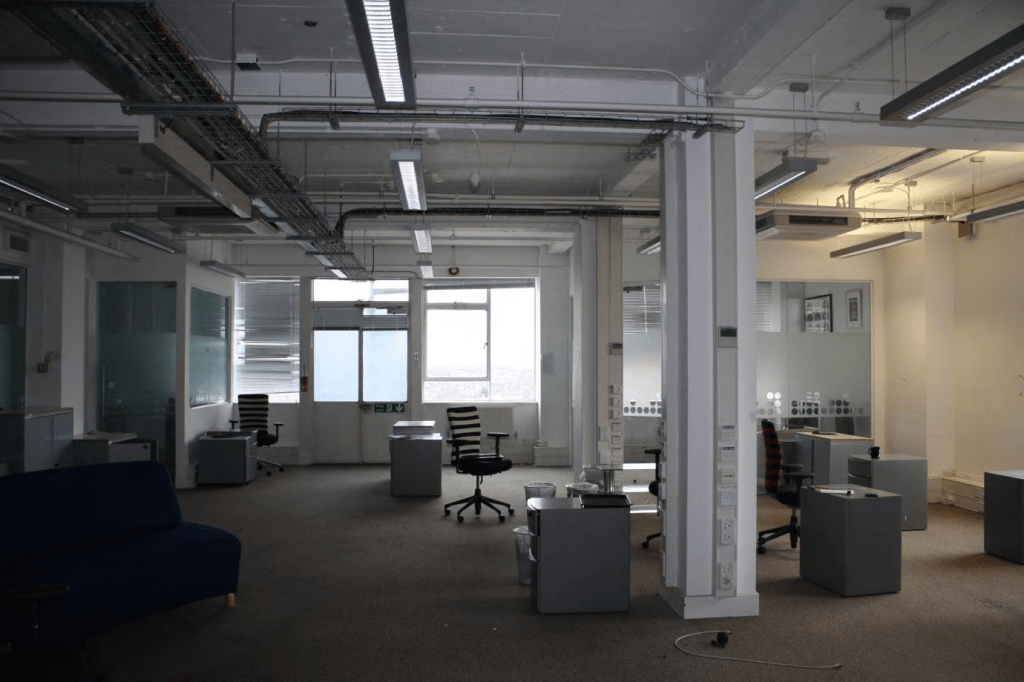
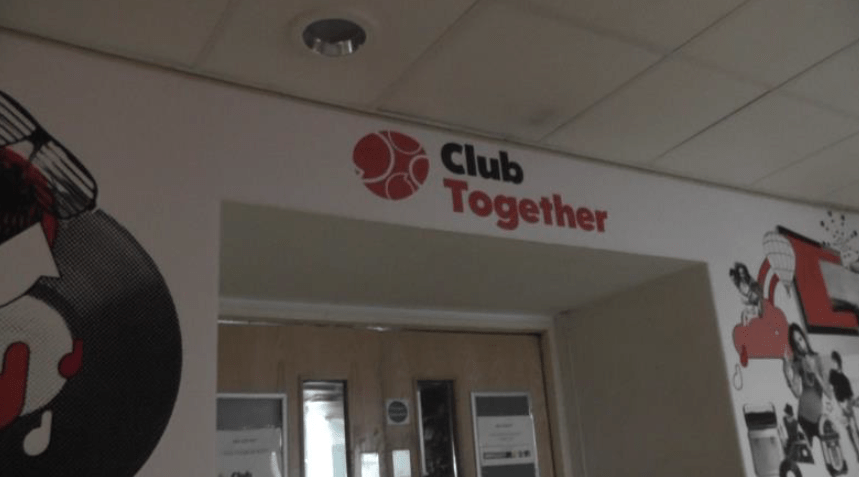
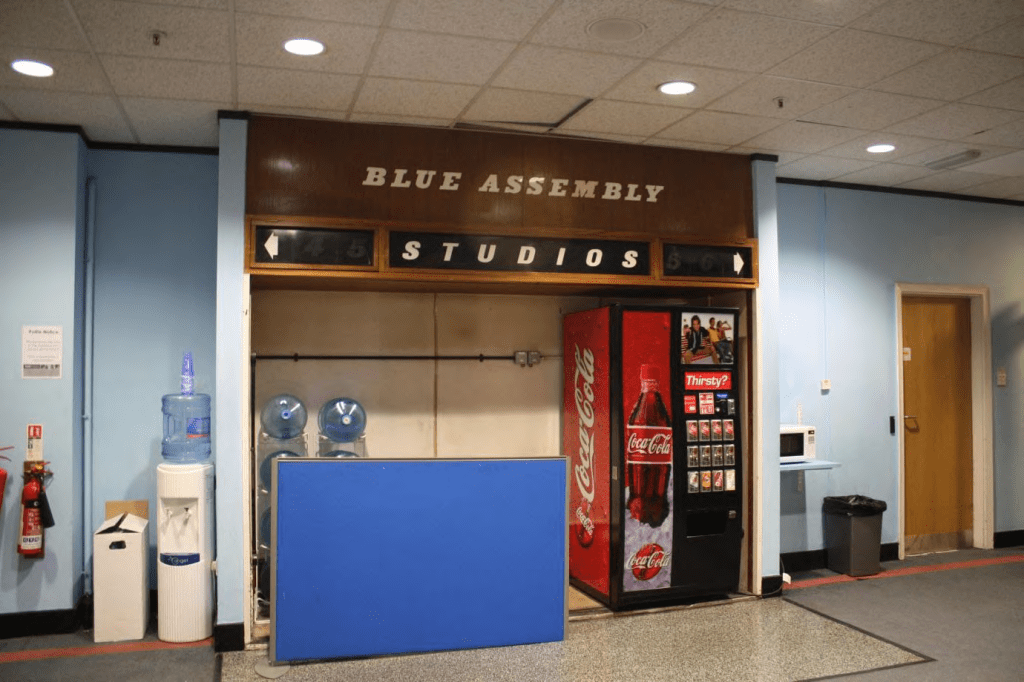
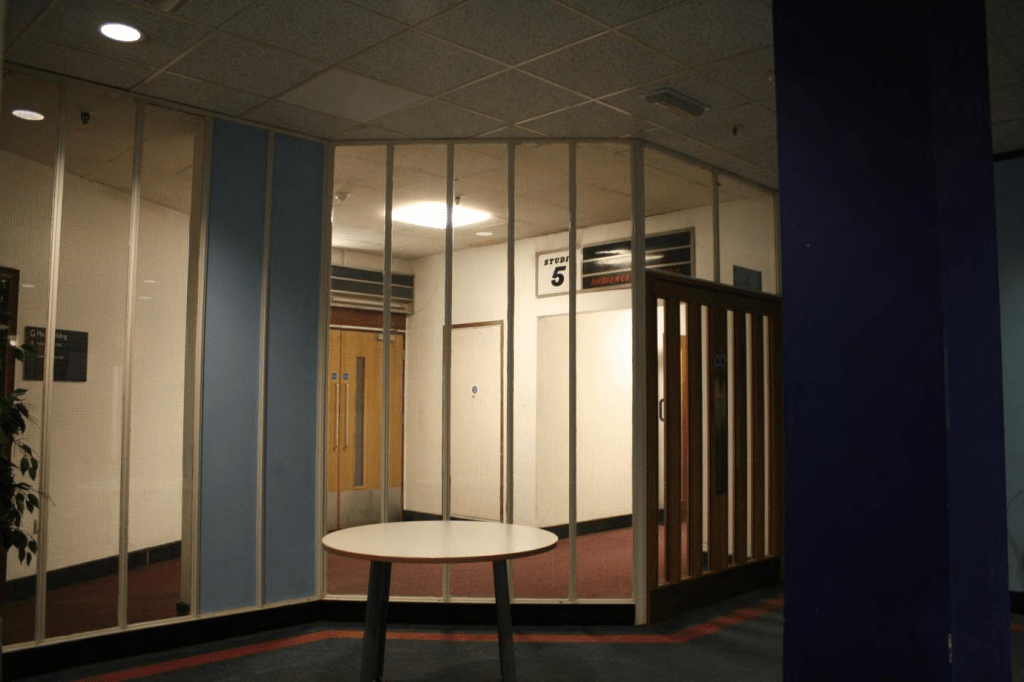
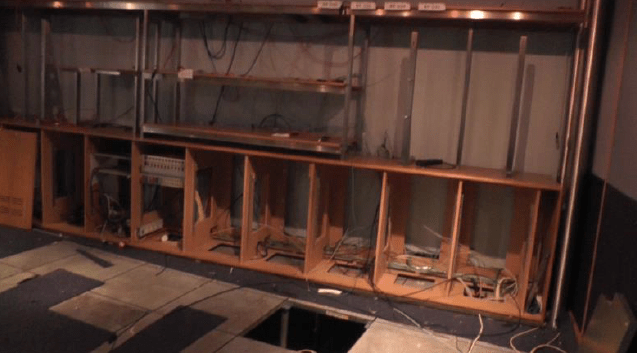
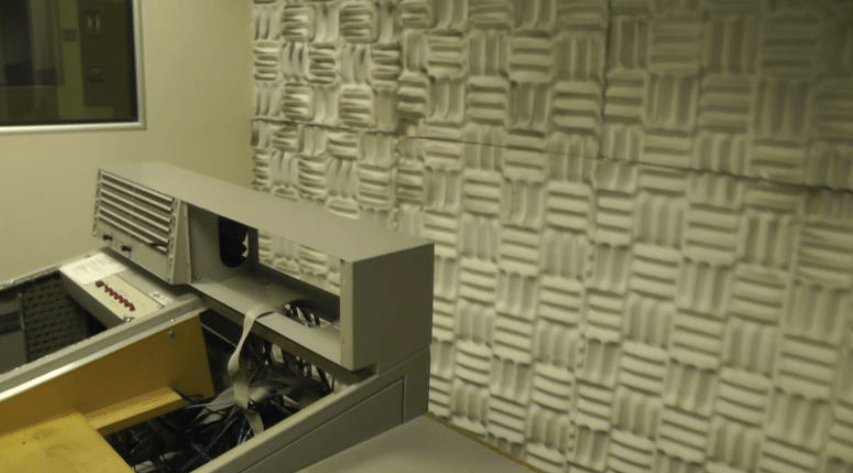
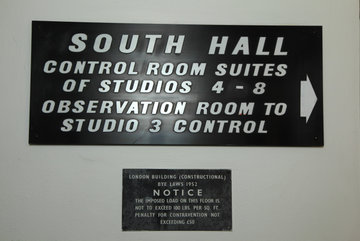
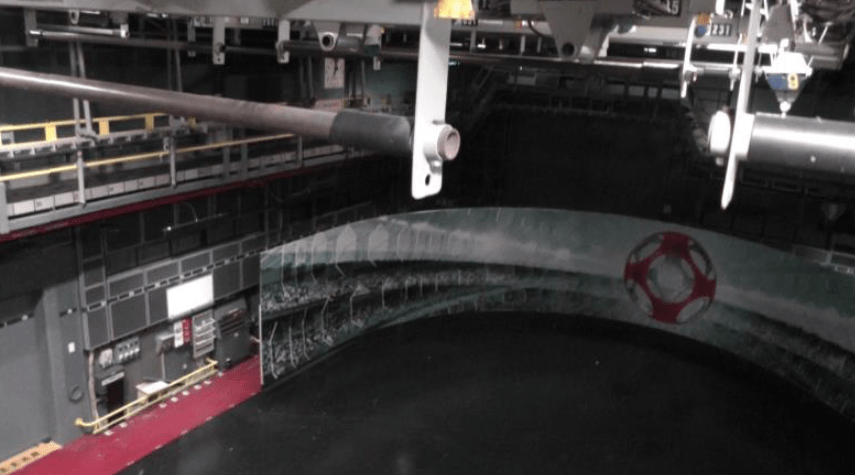
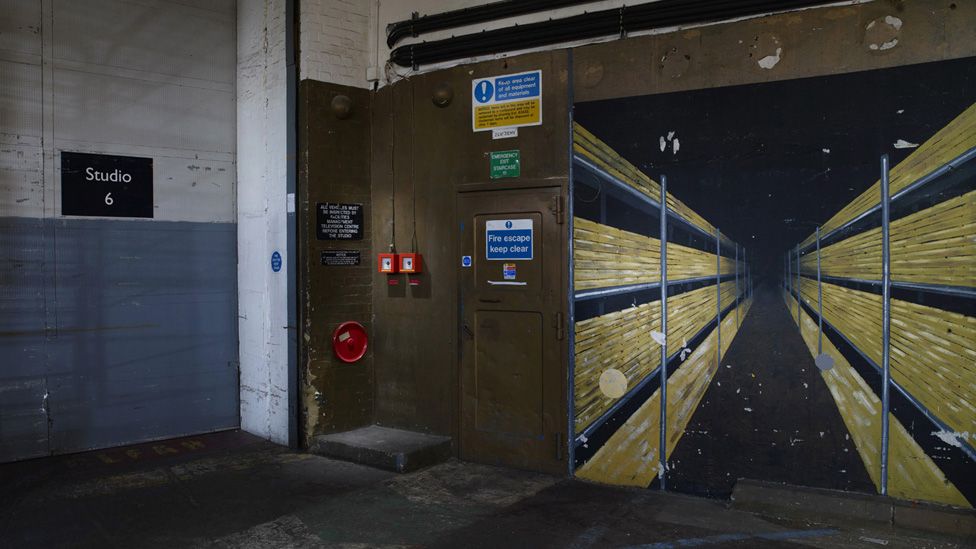
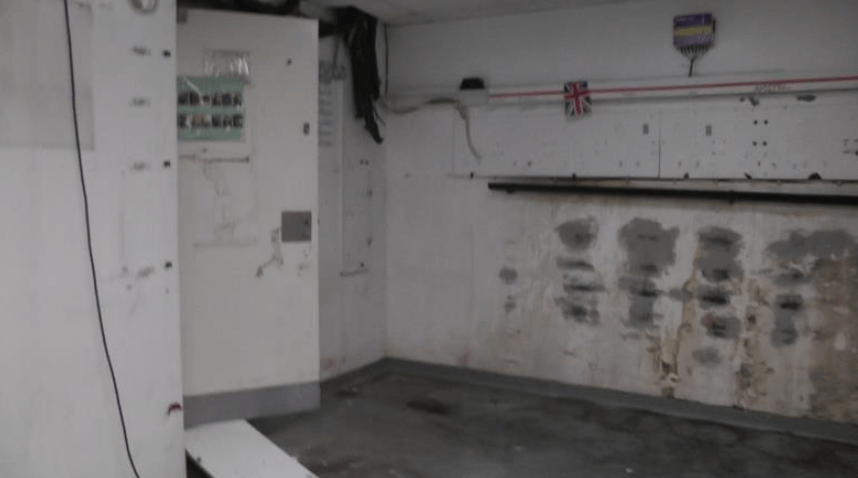
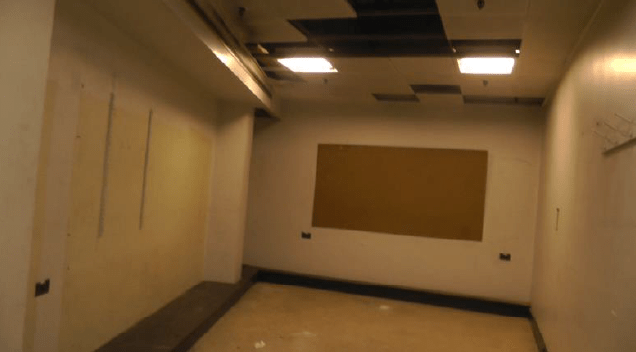
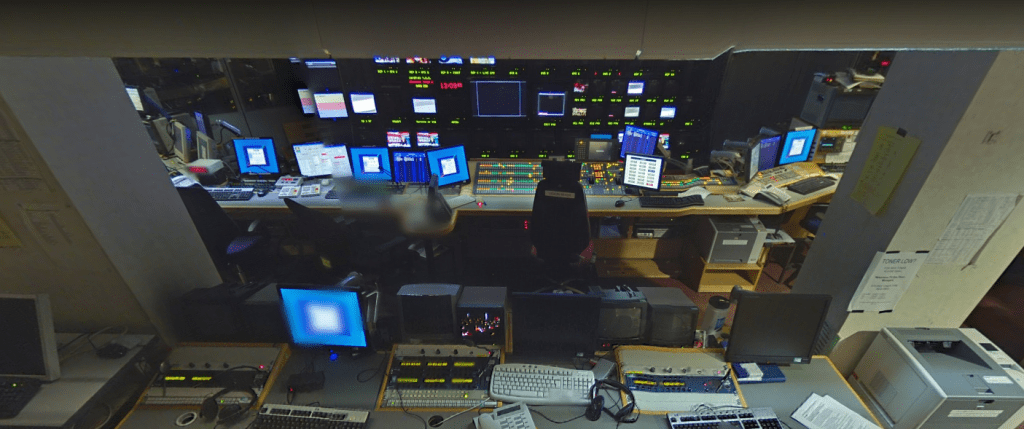
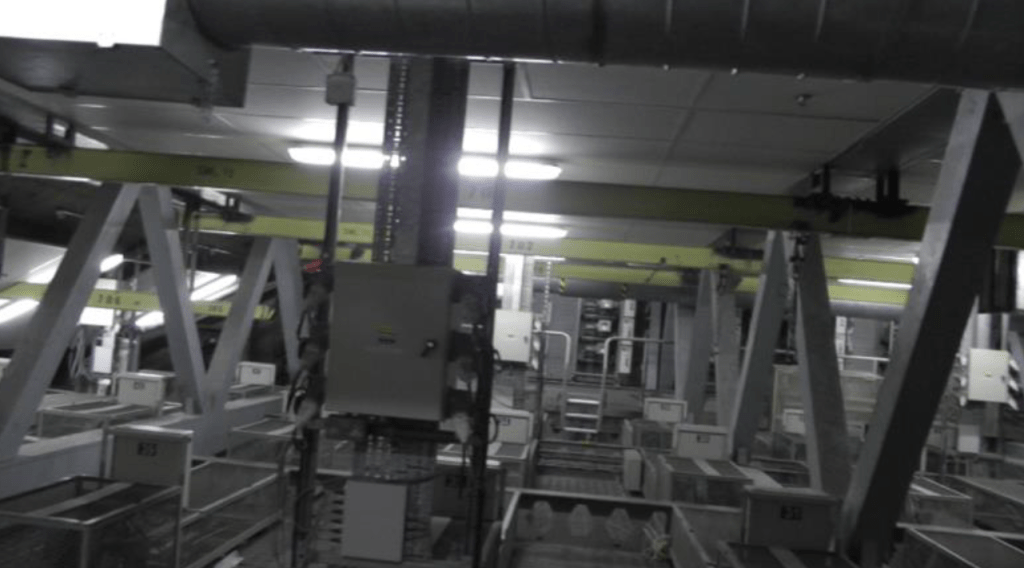
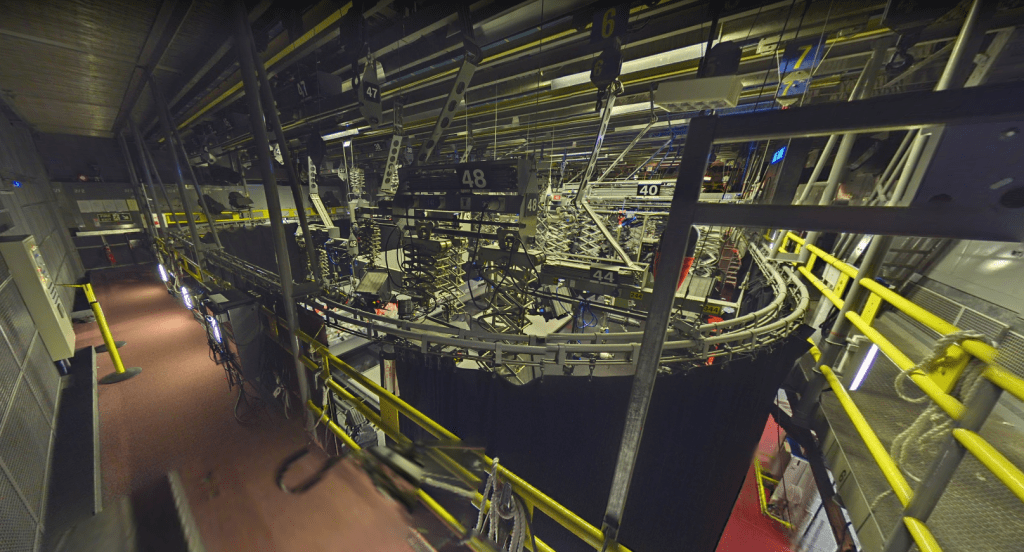
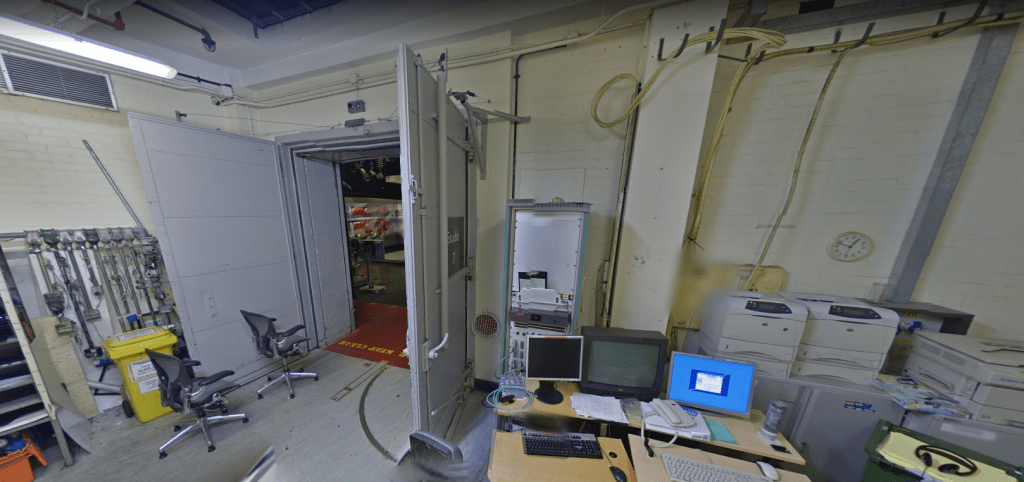
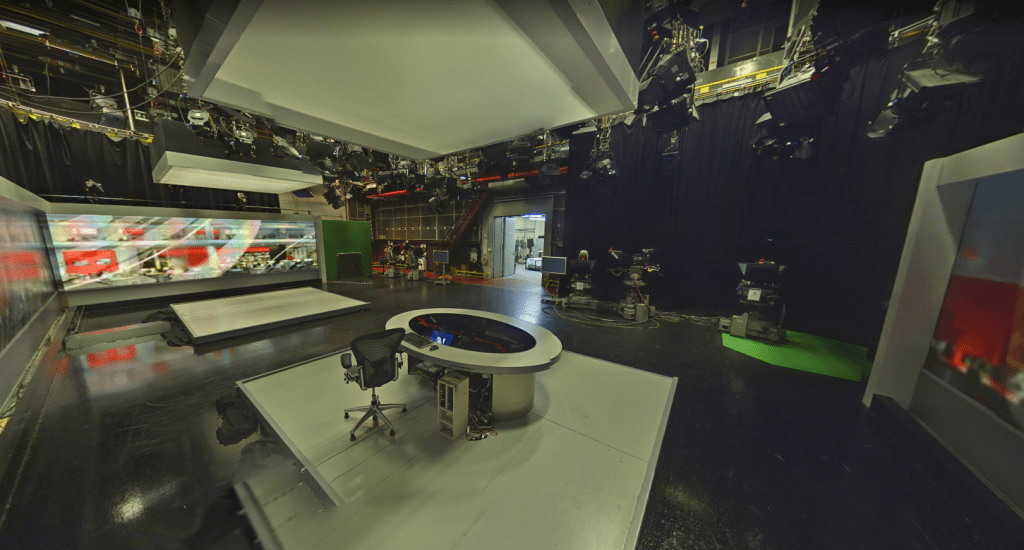
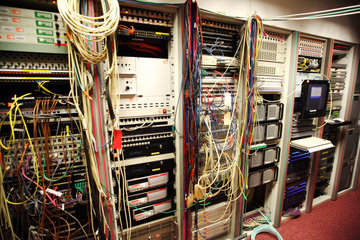
Drama Building basementDrama Building sub-basementDrama building sub-basementDesign Block and EBX BlockEBX BlockGoodness Gracious Me propOld libraryOld carpentry workshopOld carpentry workshopOld carpentry workshopPaint workshopPaint workshopPaint workshopPaint workshop doorsPaint workshopPaint workshopPaint workshopPaint workshopPaint workshopPaint workshopEBX Block rackingRoom 151Studio stores – Blue Peter setStudio storesStudio storesStudio storesStudio stores – Blue Peter setStudio storesPropCourtyard between Design & EBX BlocksEast Tower floor 10East Tower office – Blue PeterEast Tower office – Blue PeterEast Tower officeEast Tower office – Blue PeterEast Tower officeEast Tower caféEast Tower storageEast Tower doorEast Tower doorEast Tower comms roomEast Tower link bridgeEast Tower receptionEast Tower receptionEast Tower locker roomEast Tower receptionEast Tower receptionEast Tower roofEast Tower officeMain Ring basementMain Ring basementMain Ring basementMain Ring basementMain Ring basement original HVAC control panelMain Ring – stairs to nowhereMain Ring – stairs to nowhereForecourt – Cashiers OfficeForecourt – Cashiers OfficeForecourt – Cashiers OfficeElstree Bus signFranco-British exhibition plaqueSecurity lodgeSignageThe FoyerCentre RingNorth Hall escalatorsNorth Hall ‘Stage Door’North Hall lift roomNorth Hall – replica foundation stoneNorth Hall ‘Stage Door’Main Ring floor 10Main Ring floor 6 – BBC Three BlobsTC2 to offices link bridgeClock roomMain Ring corridorMain Ring doorsMain Ring officeExtn. between TC1 and Main RingJapanese TV ServiceNews ObituariesRooftopMain Ring floor 7Multistorey car parkRestaurant Block basementRestaurant Block basementRestaurant Block officeBlue Peter GardenBlue Peter Garden plaqueBlue Peter Garden muralBlue Peter Garden shedBlue Peter Garden shedBlue Peter Garden sculptureBlue Peter Garden shedBlue Peter GardenBlue Peter Garden – Bonnie, Kari & Oke and Anthea TurnerRestaurantRestaurant Block coreRestaurant Block corridorRestaurant Block floor 1Restaurant Block floor 1Restaurant Block floor 1Restaurant Block floor 1Restaurant Block kitchenRestaurant Block officeRestaurant Block officeRestaurant Block corridorRestaurant doorsRestaurant Block roof terraceRestaurant Block stairsStudio TC9 (Children’s)Studio TC9 (Children’s)Studio TC9 (Children’s)Studio TC9 (Children’s)Studio TC9 (Children’s)TC7 to Restaurant Block tunnelMain Ring to Scenery Block link bridgeInner Ring RoadRailway archesRing RoadSatellite AreaTechnical Services DepartmentDodds YardSpur floor 6Spur apparatus roomSpur basement meeting roomBBC One officesBBC One officesBBC Shop and caféBBC World corridorsBBC World galleryBBC World studioChildren’s departmentCNNSpur cupboardSpur dartboardSpur basement roomSpur basement roomSpur basement studioSpur basement switchroomSpur basement edit suiteHair salonHair salonInformation & Archives Despatch/mail roomInformation & Archives libraryInformation & Archives roomInformation & Archives receptionIT officeMain DespatchStudio N6News tape libraryStudio NS6Unidentified studioSpur officeControl room; possibly for TC11PaxmanRadio 5 Live signRear of studios N1 and N2Spur roomShoe repair serviceSpur shopSpur sick bay‘Stage 5’ basementSpur storeSpur office/studioStudio N2 production officePossibly TC12Possibly TC11Possibly TC11Spur storeTape reel playerTC8 camera storeTC8 makeupTC8 gridTC8 seatingTC8WHSmith‘Stage 6’ floor 5 (‘lighthouse’)BBC News Centre – 5 Live Cubicle S4BBC News Centre – 5 Live Studio S4BBC News Centre – 5 Live StudiosBBC News Centre – 5 Live officeBBC News Centre – BBC SportBBC News Centre – World News editBBC News Centre – World News galleryBBC News Centre – World News galleryBBC News Centre – BBC World News N8BBC News Centre – BBC World News N9BBC News Centre – World News N8/N9BBC News Centre – BBC World News Studio N8/N9BBC News Centre – BBC World News officeBBC News Centre – BreakfastBBC News Centre – N6 galleryBBC News Centre – Newsnight officeBBC News Centre – Radio 4 studioBBC News Centre – Radio 4 officeBBC News Centre – Cubicle S2BBC News Centre – Studio S2BBC News CentreBBC News CentreBBC News CentreRadio 5 Live officeLive transmission areaNews GarageNews Graphics officeBBC News Centre‘Stage 6’ plant‘Stage 6’ signageBBC News Centre – BBC SportSpur CAR (SCAR) – MCRSpur CAR (SCAR) – MCRSpur CAR (SCAR) – MCRSCARSCARSCARWhiteboardCentre Wedge floor 6Central Comms Area – MCRCentral Comms Area – MCRCentral Comms Area – MCRCentral Comms Area (CCA)Central Comms Area (CCA)Central Comms Area (CCA)Central Comms Area (CCA)Centre Wedge edit suiteFormer Pres A & Pres B studiosTechnical equipmentScenery Runway – Weeping Angel?Scenery RunwayScenery Runway – transporterStudio Block 1-3 floor 5BBC Weather Centre – Forecast OfficeBBC Weather Centre – Forecast OfficeBBC Weather Centre – StudioFormer Echo Room in TC3 basementFormer Echo Room lobby in TC3 basementWall of former tank beneath TC1Former telephone exchange (later archives) beneath TC1Original foundation stoneStairs to TC3 undercroftTC1 plaqueTC1Studio Block 4-7 floor 6BBC Club doorsBBC ClubBBC ClubBlue Assembly lobbyBlue Assembly lobbyBlue AssemblyCAR apparatus in TC7Beneath TC7Old racking in Studio Block 4-7Old studio?Presentation studio?BBC R&D officeRehearsal room in TC4 basementSouth HallStudio in Studio Block 5TC4 apparatusTC4 observation deckTC4TC5TC6 camera storeTC6 makeupTC6 observation deckTC6 rearTC6TC7 caféBeneath TC7Beneath TC7TC7 galleryTC7 galleryTC7 doorsTC7 gridTC7 makeupTC7 signTC7 gantryTC7 camera storeTC7TC7 VAR apparatus room
The above photos have been sourced from the following photographic surveys: – BBC TVC Photographic and Video Survey – 2014 – Goodman Mann Broomhall – Television Centre Photographic Survey – 2013 – Tavernor Consultancy – Television Centre – 2013 – BBC/Manuel Vazquez – BBC Television Centre – 2013 – Google Street View – BBC Television Centre – 2011 – Peter Sumpter (BBC Photo Archive).
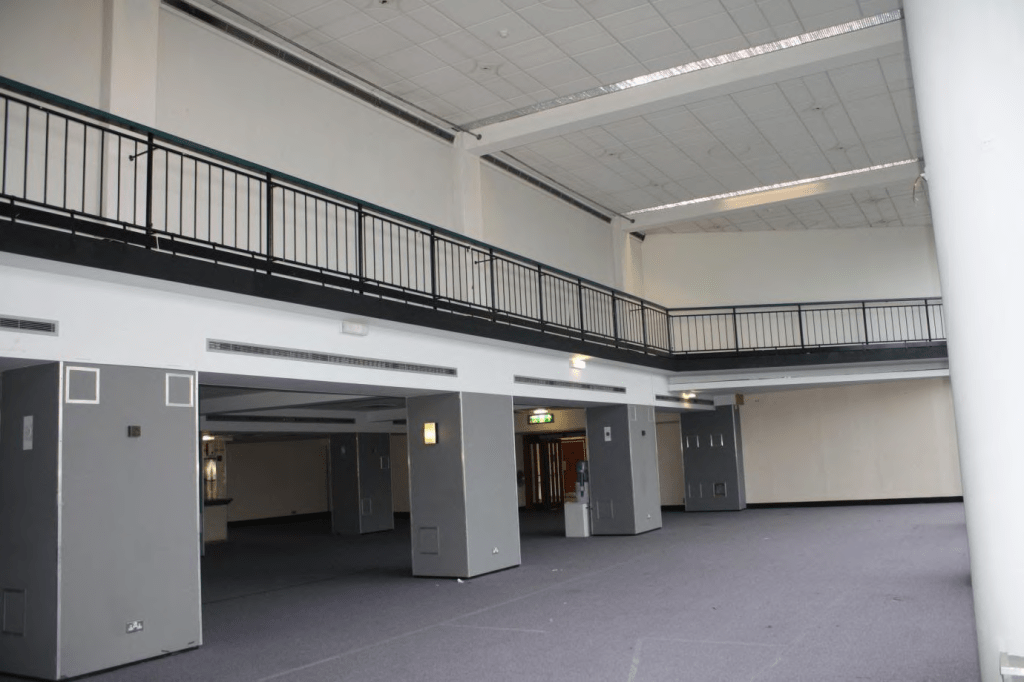
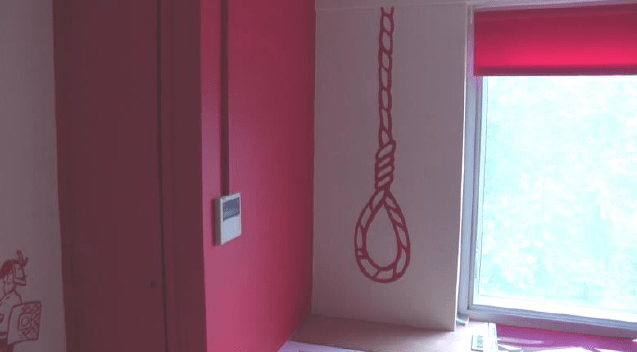
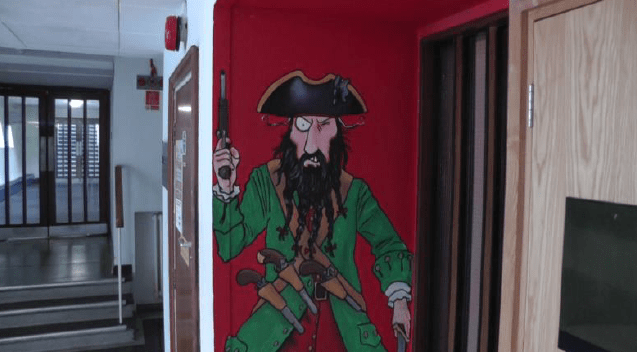
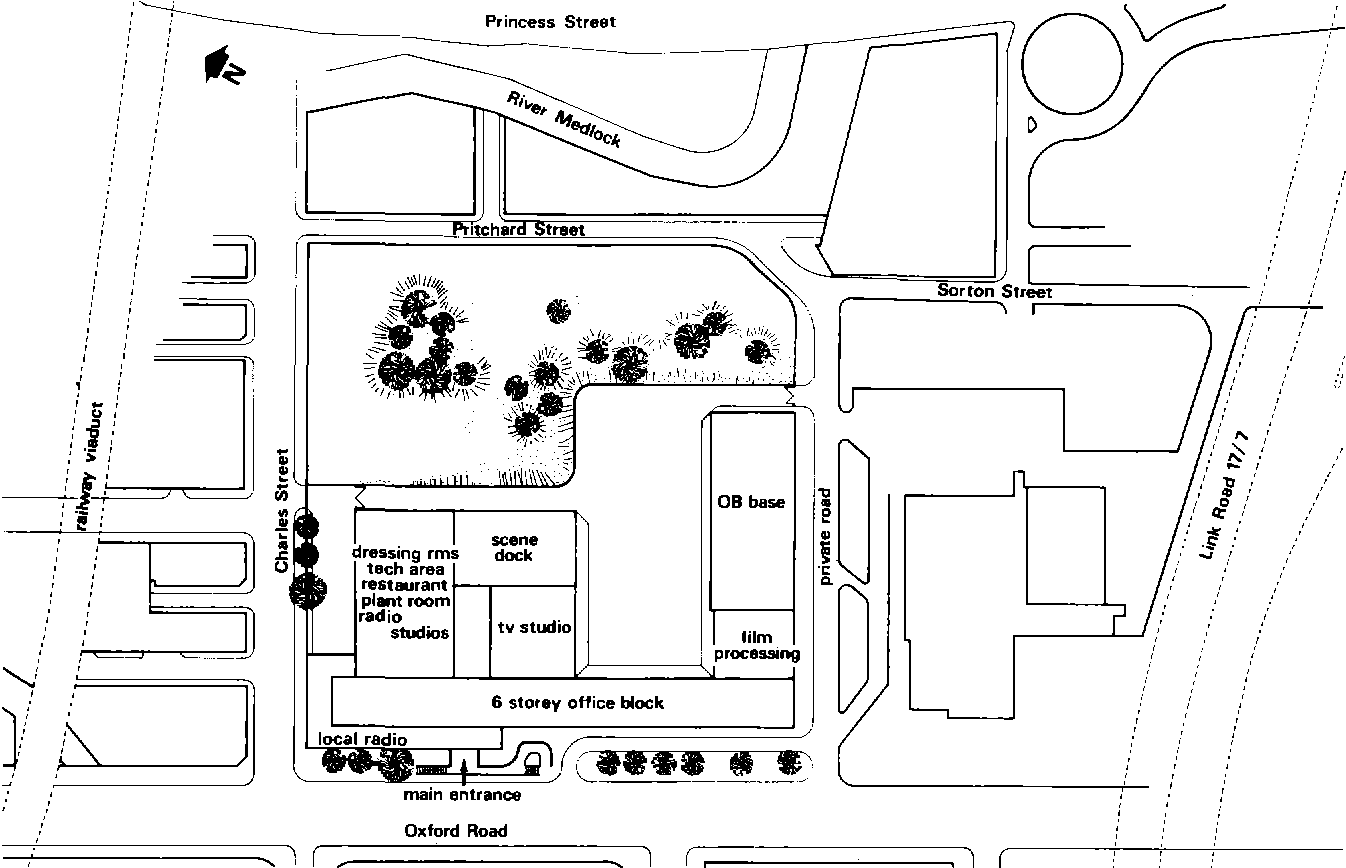
New Broadcasting House, Oxford Road, Manchester M60 1SJ Broadcasting House at 33-35 Piccadilly was home to BBC North West (now BBC North) and stayed in use until 1981 when it was fully replaced by New Broadcasting House (NBH) which was used by the BBC from 1975 to 2011. More history can be found in this BBC document.
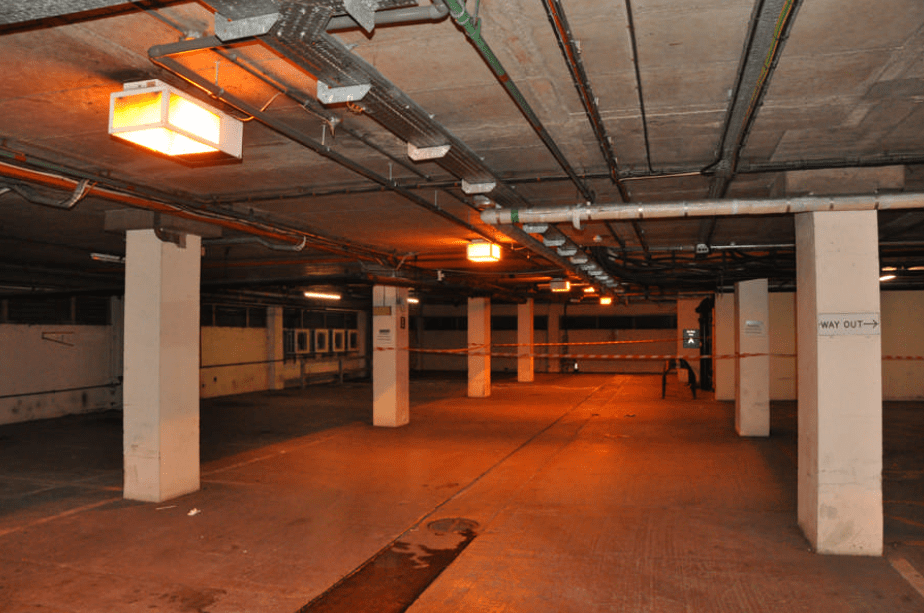
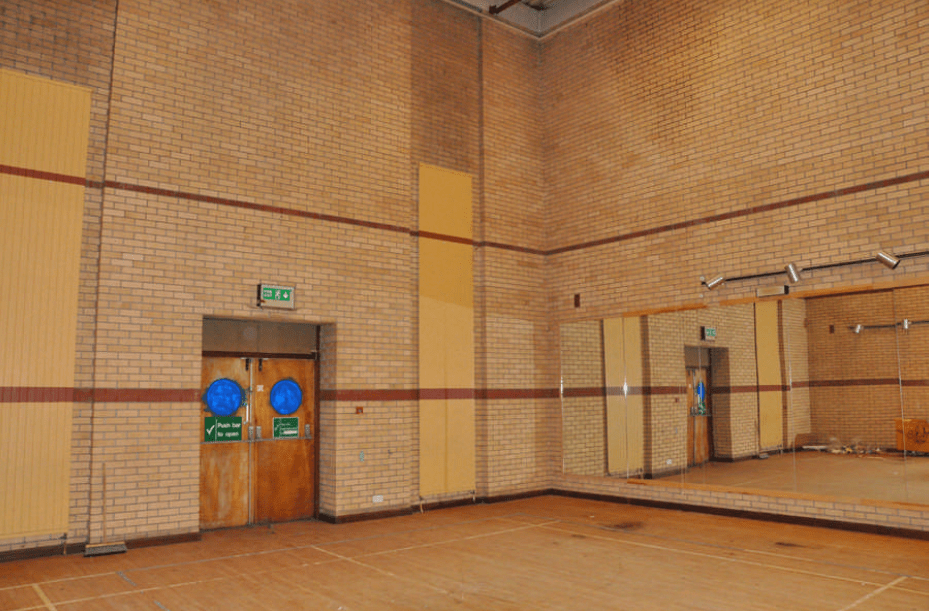
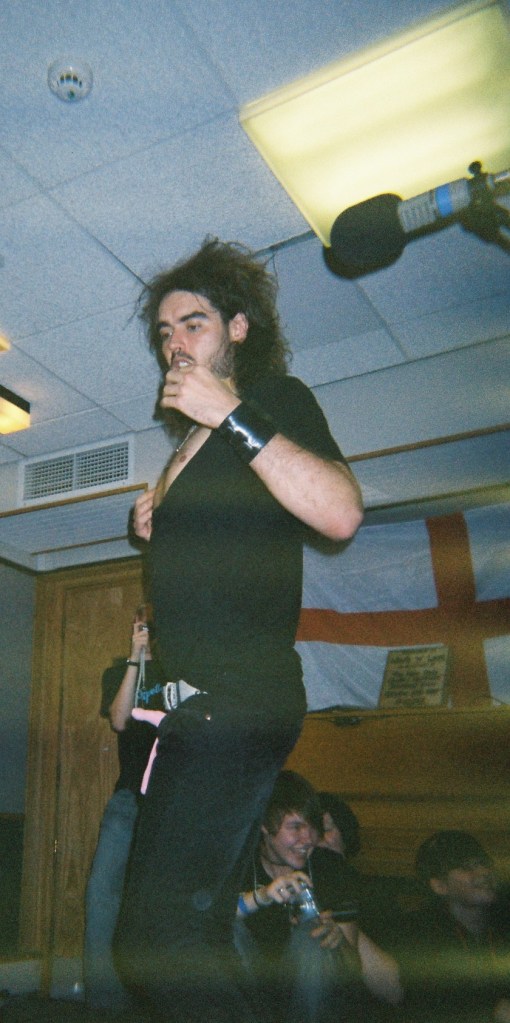
The above photos have been sourced from post-closure site environmental reports, except for Russell Brand exposing his nipple in Studio 5 (the Palace of Glittering Delights), which I personally took sometime around 2006 or 2007.
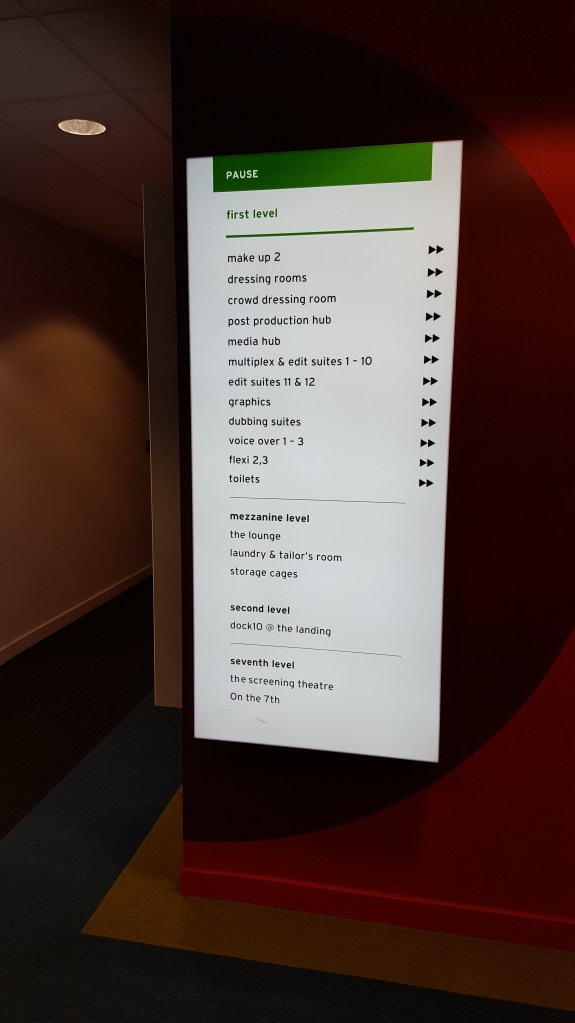
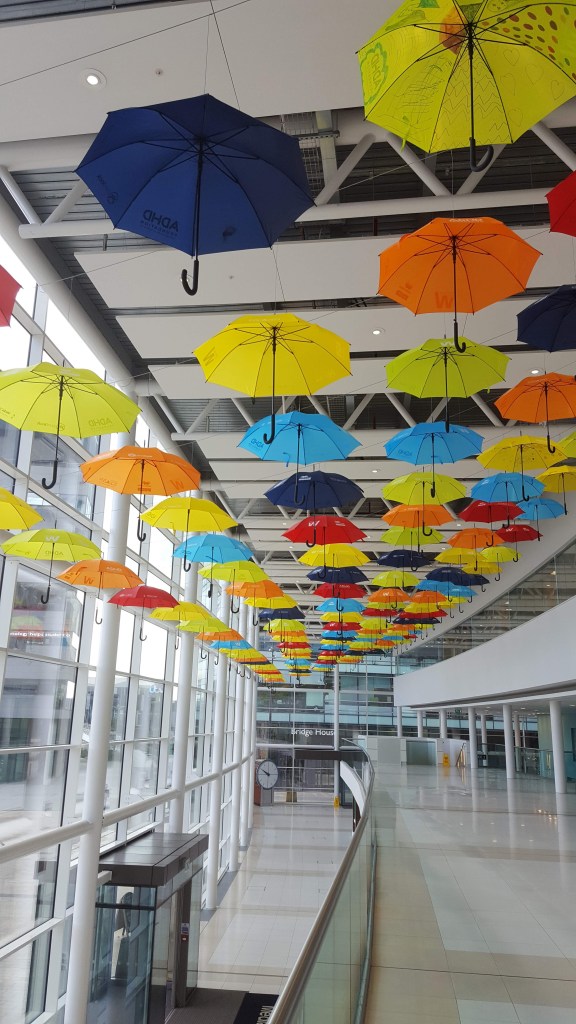
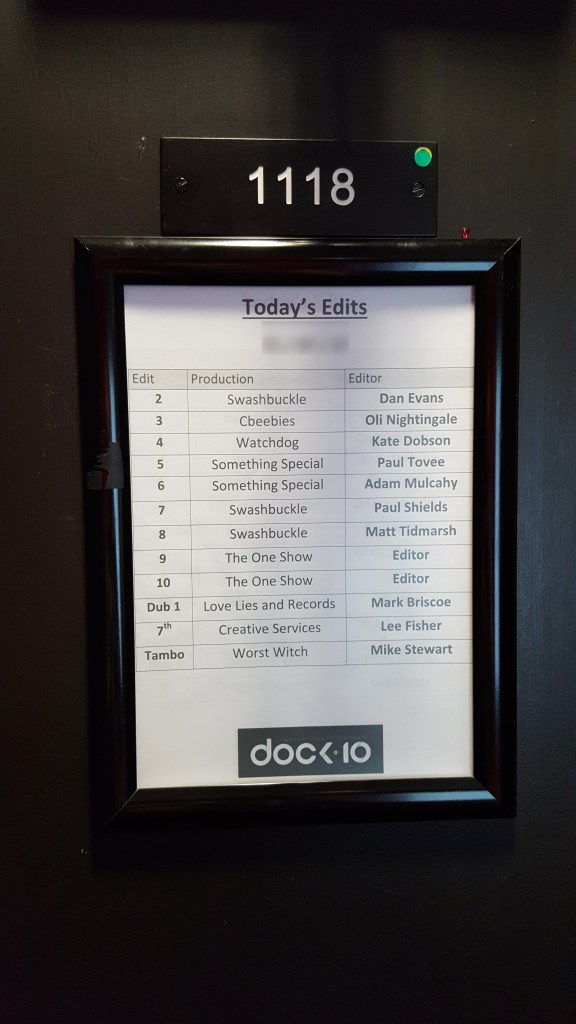
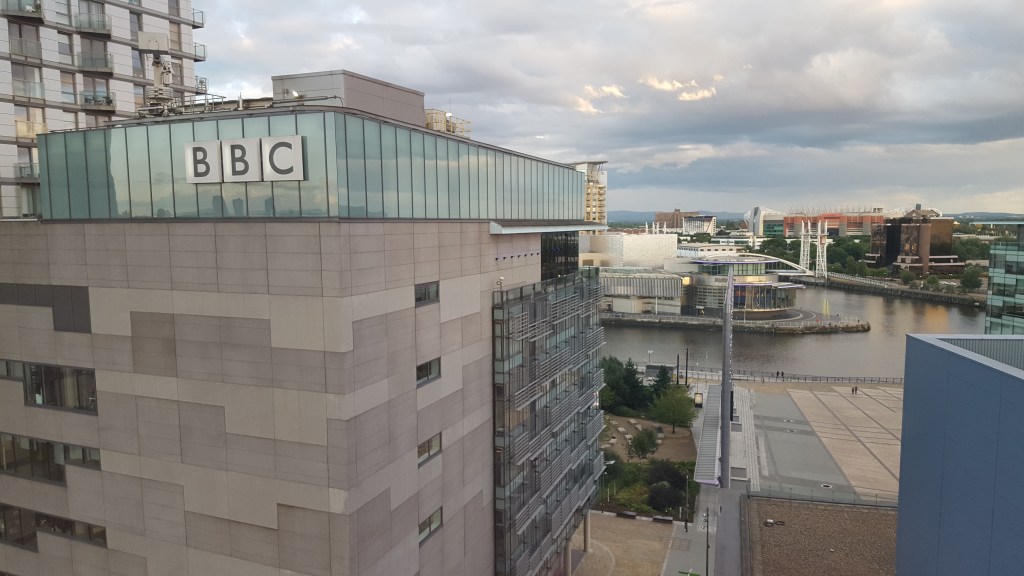
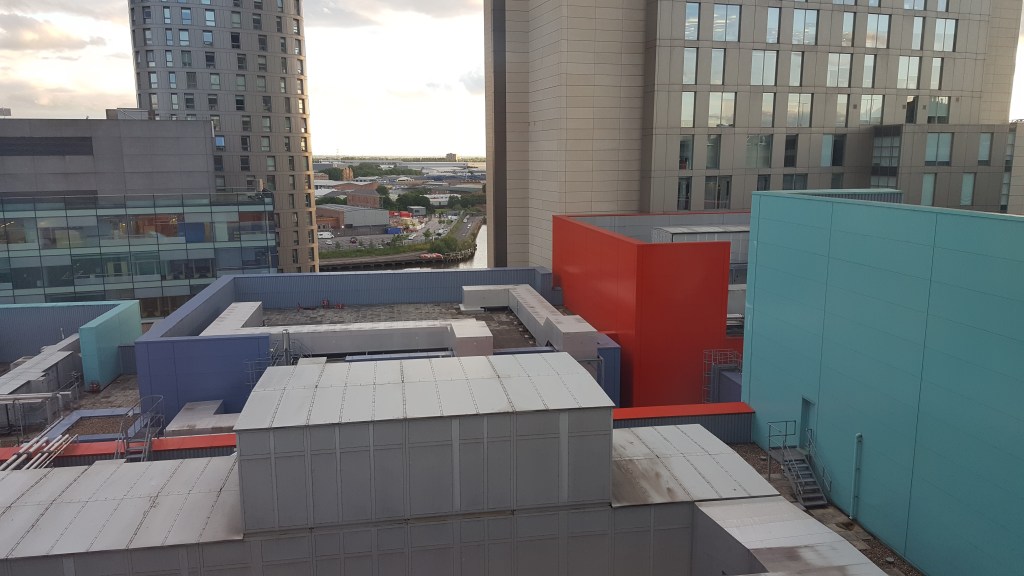
MediaCityUK, Salford Following the closure of New Broadcasting House, BBC North migrated its Manchester operations to the newly-constructed MediaCityUK in 2011, where it also relocated its Children’s, Learning, Sport, Breakfast, and Religion/Ethics departments from Television Centre – as well as Radio 5 Live and some of 6Music – plus parts of R&D, Drama and Comedy. Bridge House, Dock House and Quay House are office buildings with small studios used exclusively by the BBC, and the dock10 studio complex (pictured below) is shared with ITV & Channel 4.
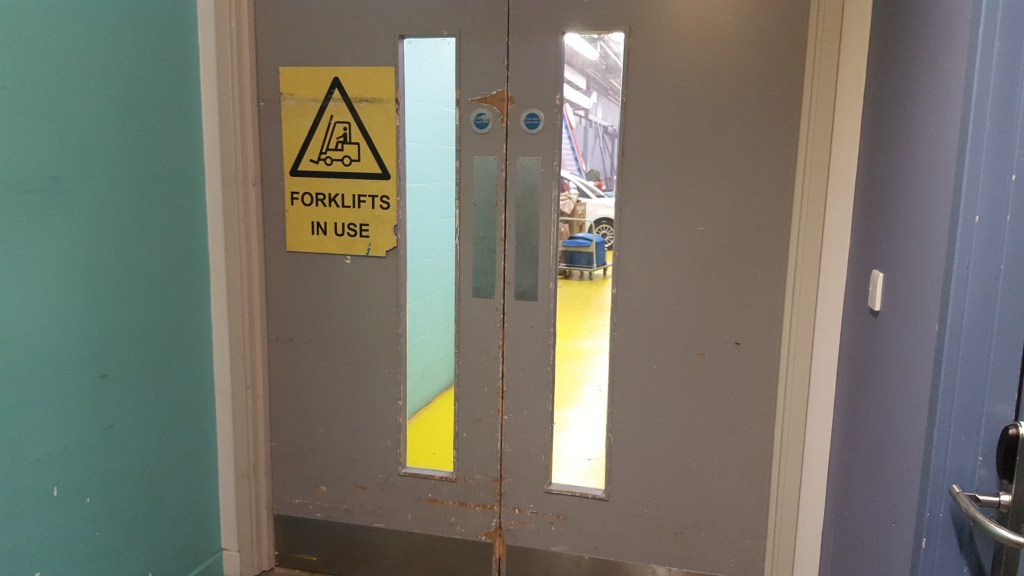
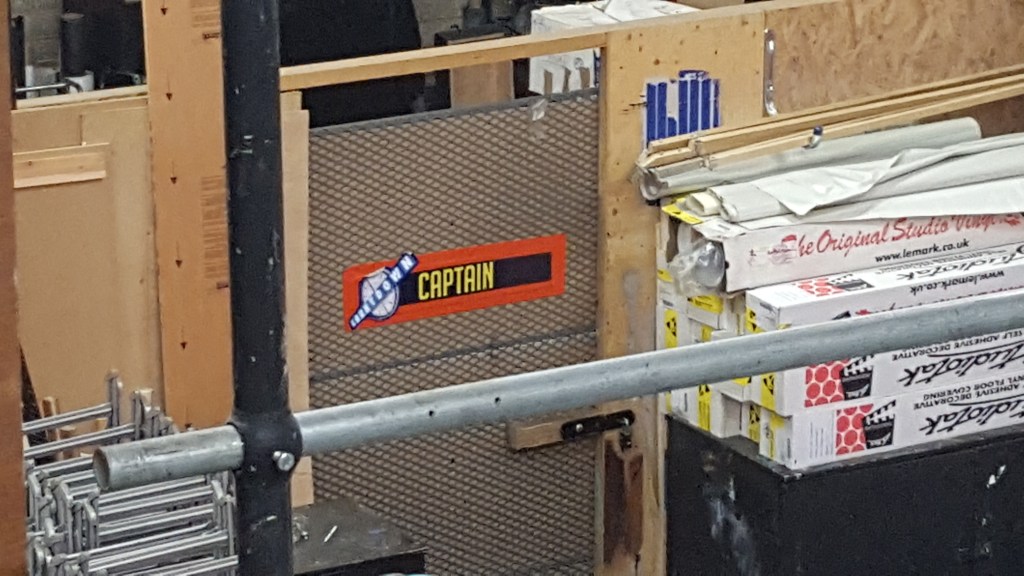
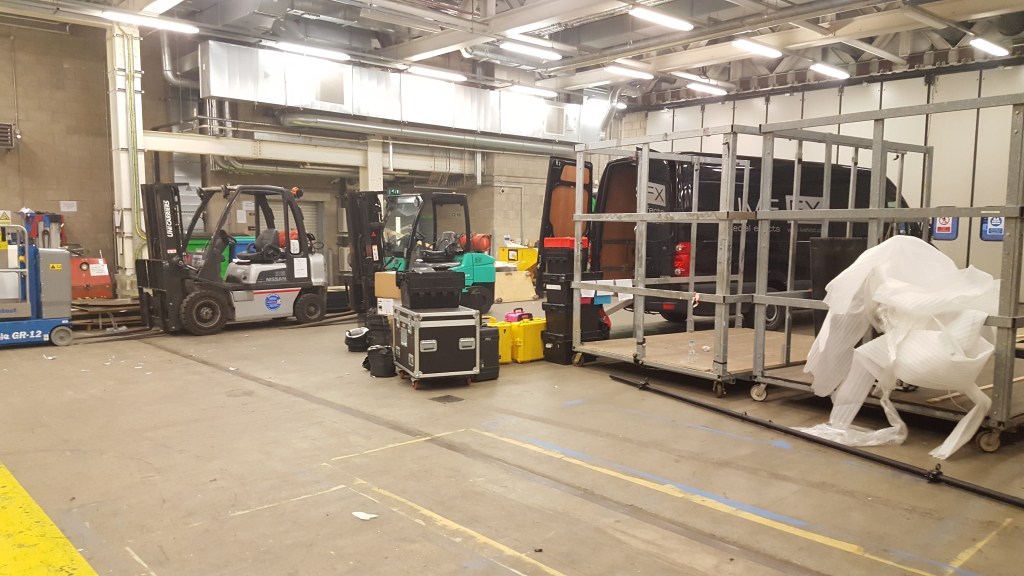
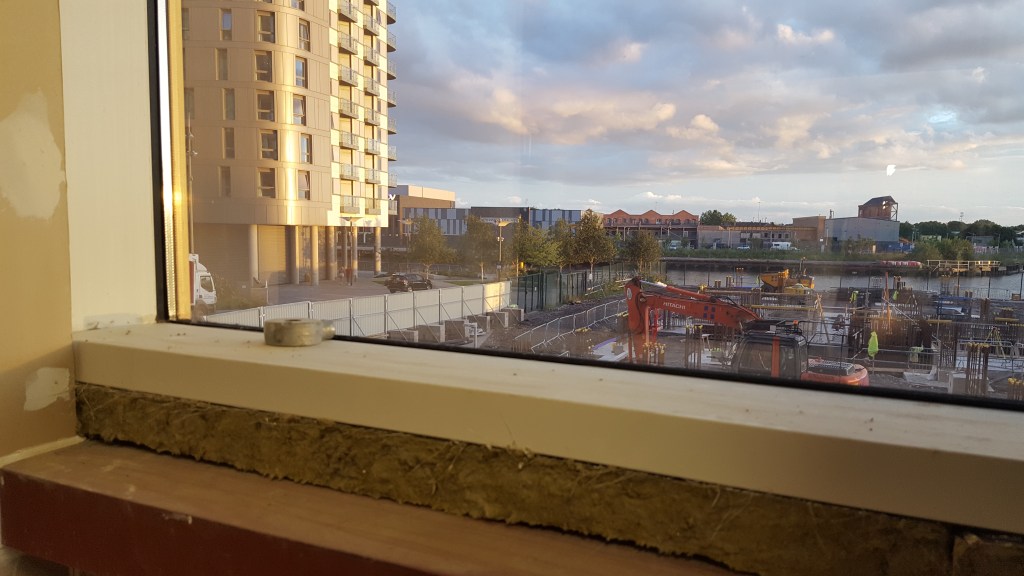
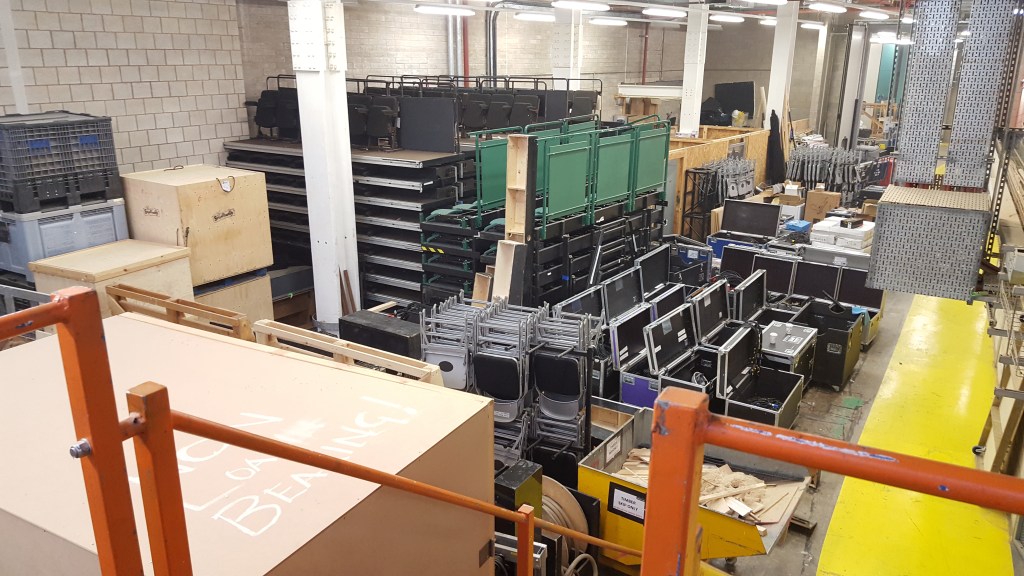
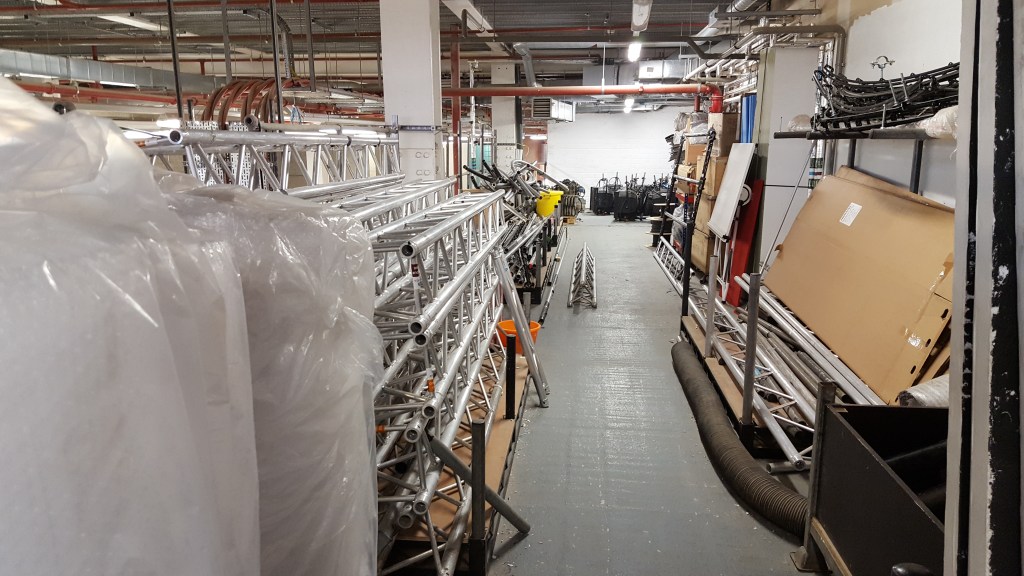
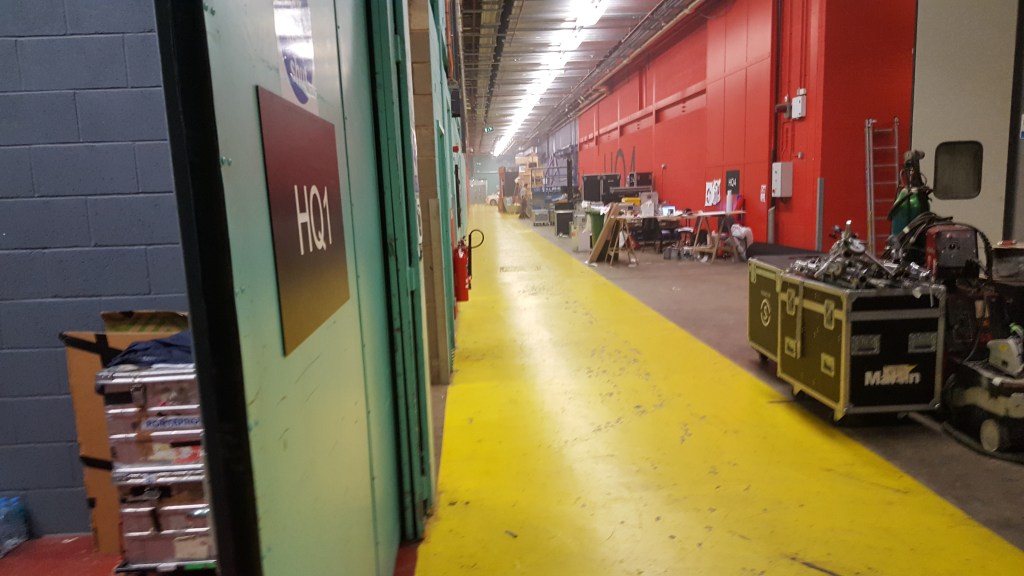
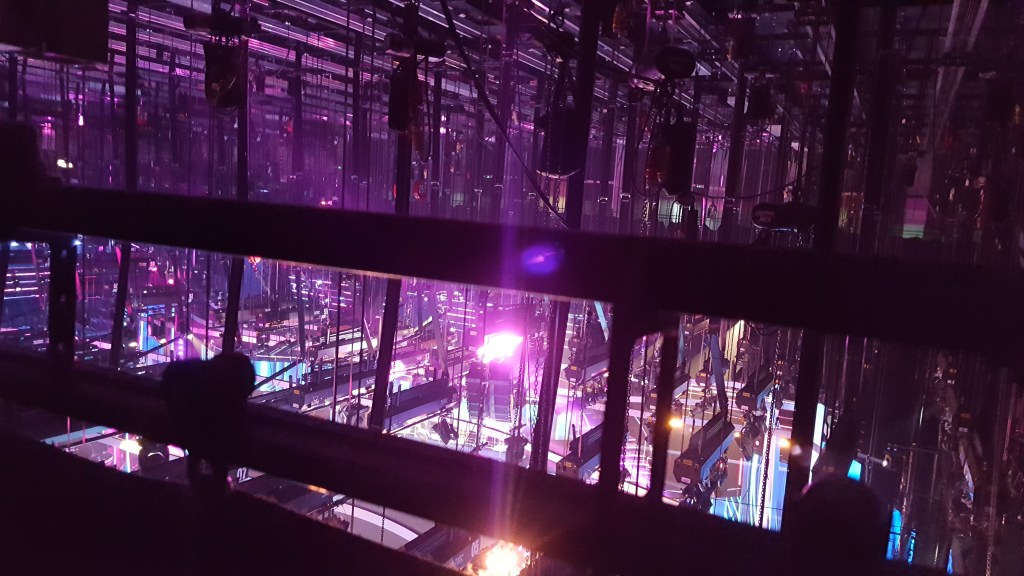
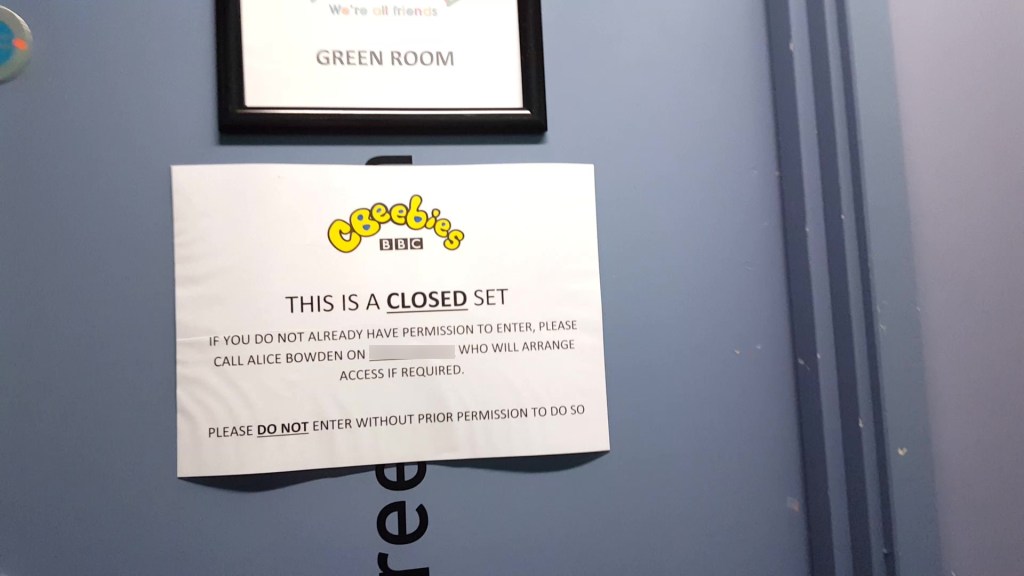
Scenery runway doorsCountdown stickerCountdown clock (inside)SignageDub 2 and dressing room doorsStudio HQ12 (Mezzanine)Loading dockLooking out towards ITV Coronation Street studiosLooking out towards NEP teleportStudio HQ9 (BBC Philharmonic)Props storeProps storeScenery runwayScenery runwayStudio HQ1 gantryStudio HQ1 gantryStudio HQ1 gantryStudio HQ1 gridStudio HQ1 gridStudio HQ1 gridStudio HQ3Studio HQ3 lobbyStudio HQ4Studio HQ3 green roomEdit suiteLooking out towards BBC Dock HouseLooking out towards Trafford WharfCountdown clock (inside) wideRooftop plant
Broadcasting House, Portland Place, London W1A 1AA Despite being bombed twice during World War II, the iconic Broadcasting House has straddled Portland Place and Langham Street since 1931 (opened May 1932), where its presence has dominated thanks to its location on a kink along an otherwise perfectly straight London street.
But it wasn’t until a £1 billion redevelopment at the dawn of the new millennium that the building finally realised its full potential, with the mammoth ‘West One’ project significantly expanding the BBC’s Marylebone footprint.
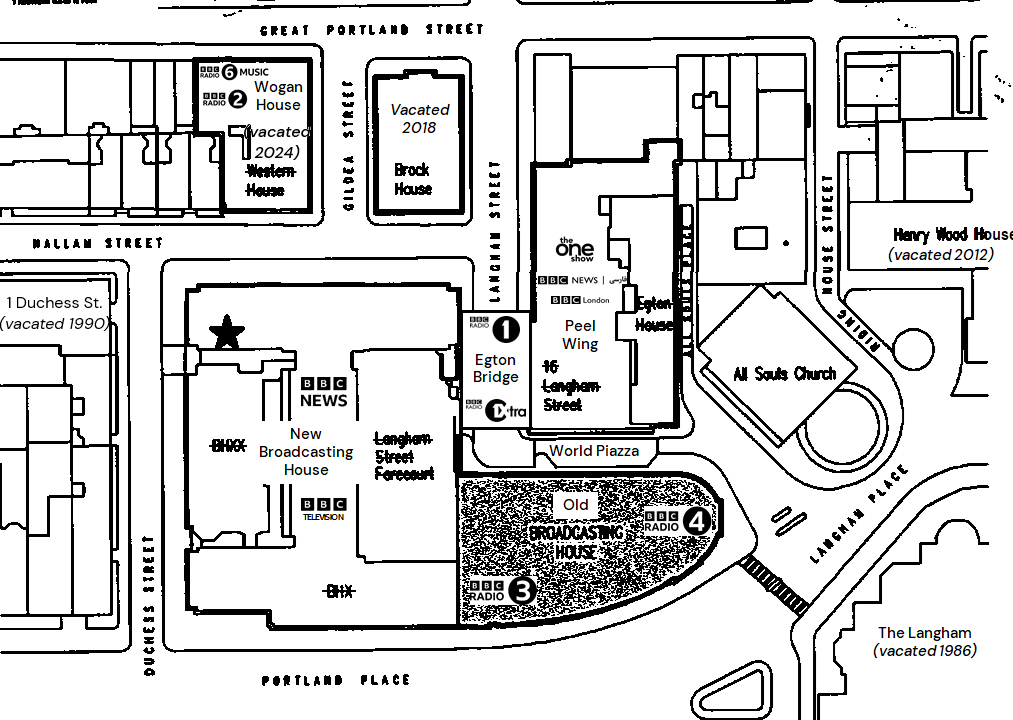
An adapted map showing BBC Portland Place old & new. Original courtesy City of Westminster
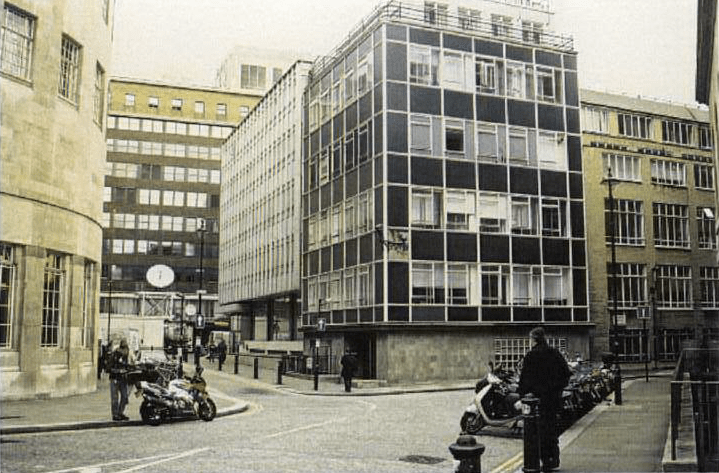
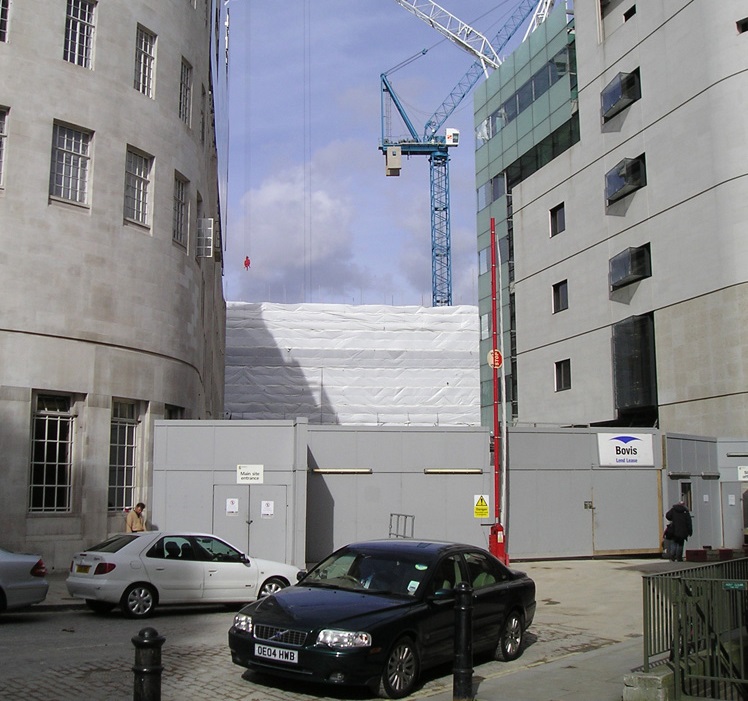
Phase 1 (2003-2005) saw extensive renovations to the original Broadcasting House, as well as construction of the new Egton Wing (aka East Wing and since renamed the Peel Wing) replacing the Egton House and 16 Langham Street (aka Langham House) buildings in 2005 following their 2003 demolition. Phase 1 was officially opened by Her Majesty Queen Elizabeth II in April 2006.
The site viewed prior to 2003, with Egton House in the centre foreground. City of Westminster
Following this, Phase 2 (2006-2012) commenced with the construction of a major new extension to Broadcasting House called ‘New Broadcasting House’. This was completed in 2012 and officially opened in 2013 to replace the 1961 ‘BHX’ and 1994 ‘BHXX’ extensions to what is today known as Old Broadcasting House – the original building built between 1928 and 1931.
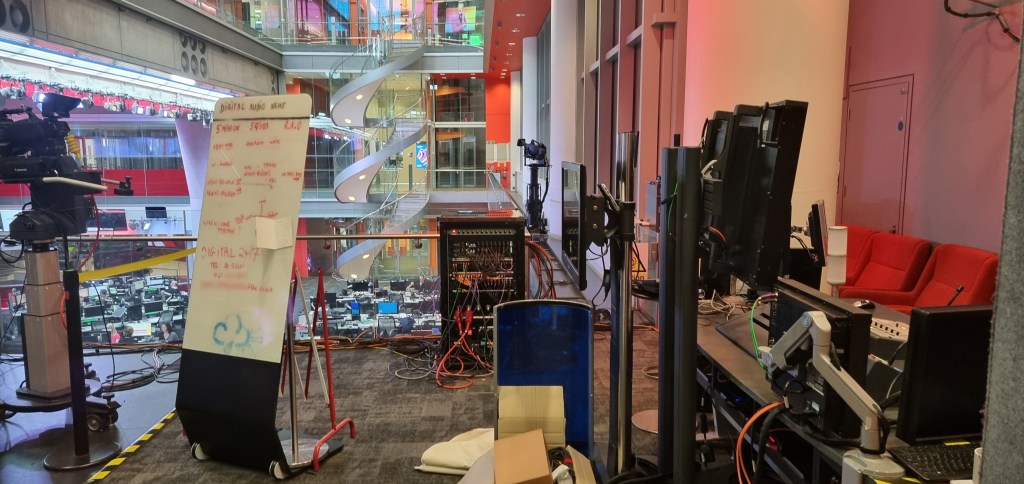
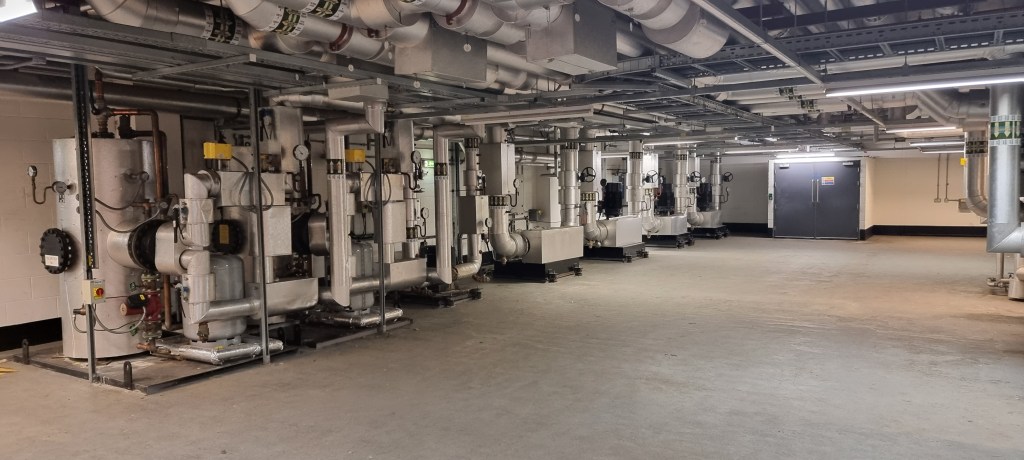
As part of this work, the Egton Bridge was added to connect the Peel Wing with New Broadcasting House. A broadcasting bunker known as the Stronghold (marked ★ on the above map) was also removed and replaced by a 12m deep (three-storey) basement news facility featuring resilient ‘floating’ studios (to prevent noise from the Tube lines running below), a newsroom, welfare facilities, and technical areas such as production galleries and control/apparatus rooms.
In total, Broadcasting House now contains 36 radio studios, 6 main TV studios and at least 5 auxiliary TV studios – an impressive expansion from its original 22 radio studios while still managing to streamline the 130+ BBC studios that were previously scattered across London.
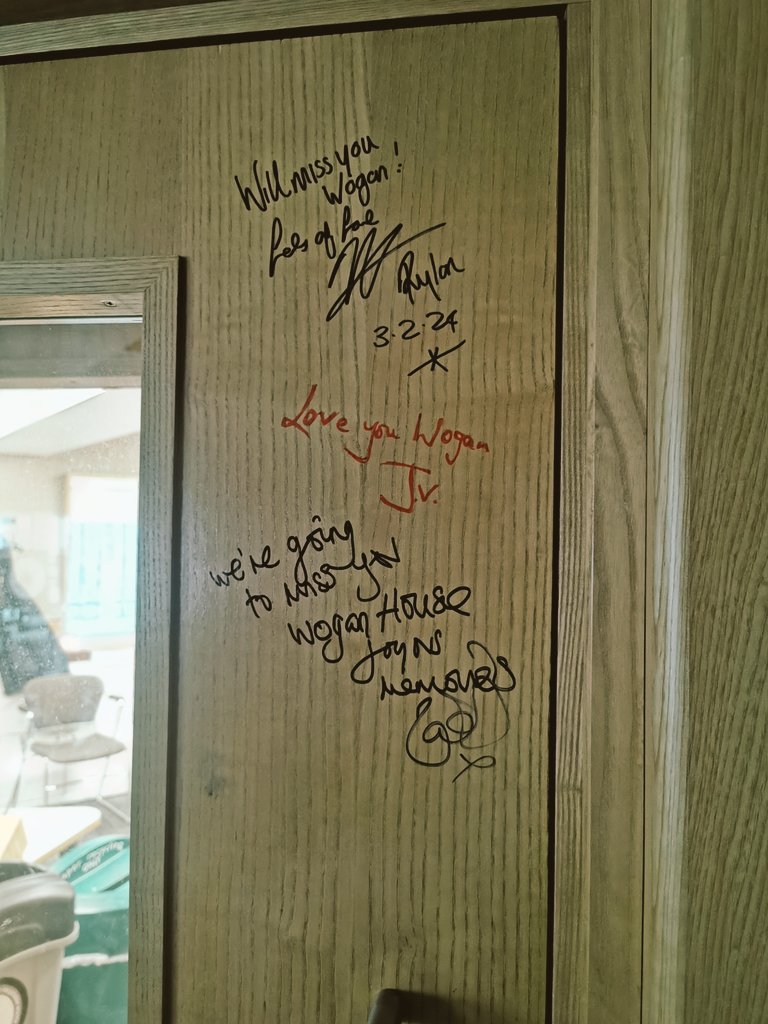
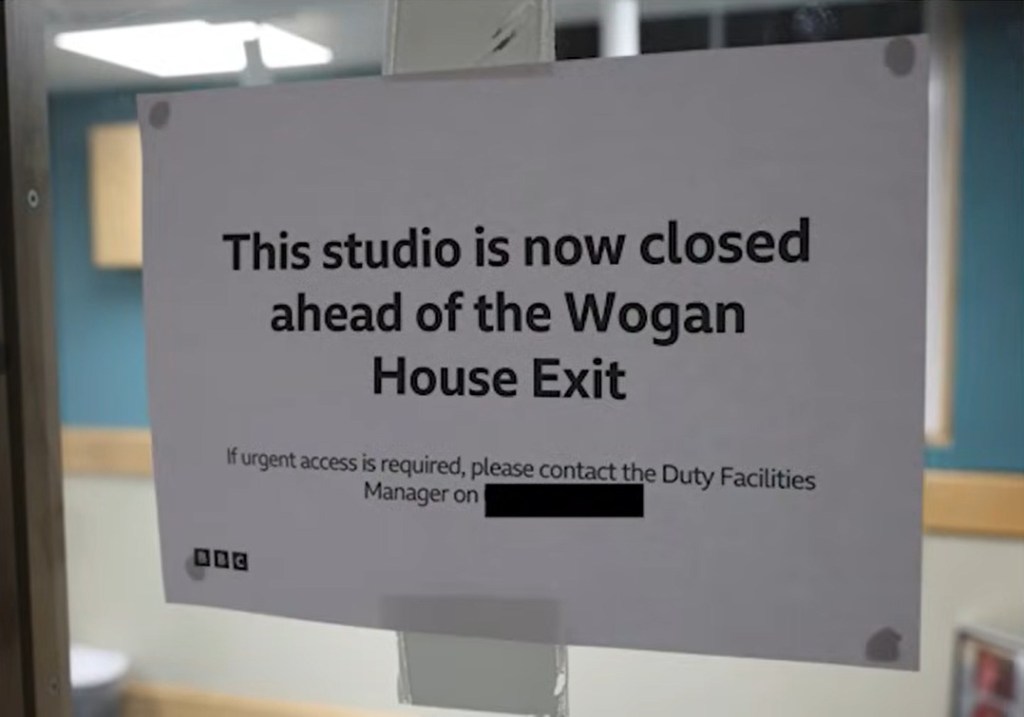
Today, the buildings on site are collectively known as Broadcasting House (or ‘BH London’, internally) given that they are all connected, with the exception of Wogan House which was vacated by the BBC in 2024. Broadcasting House uses the famous postcode of W1A 1AA, or W1B 1DJ for BBC Radio 1.
Broadcasting House:
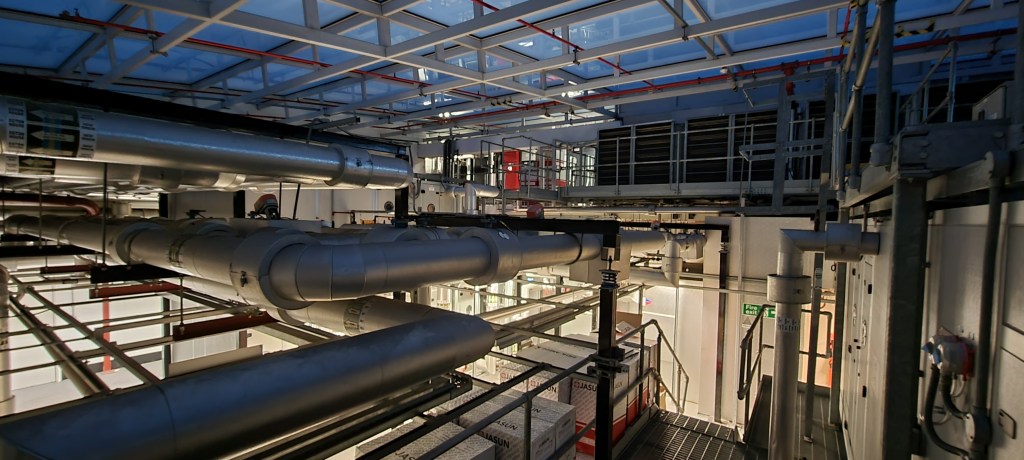
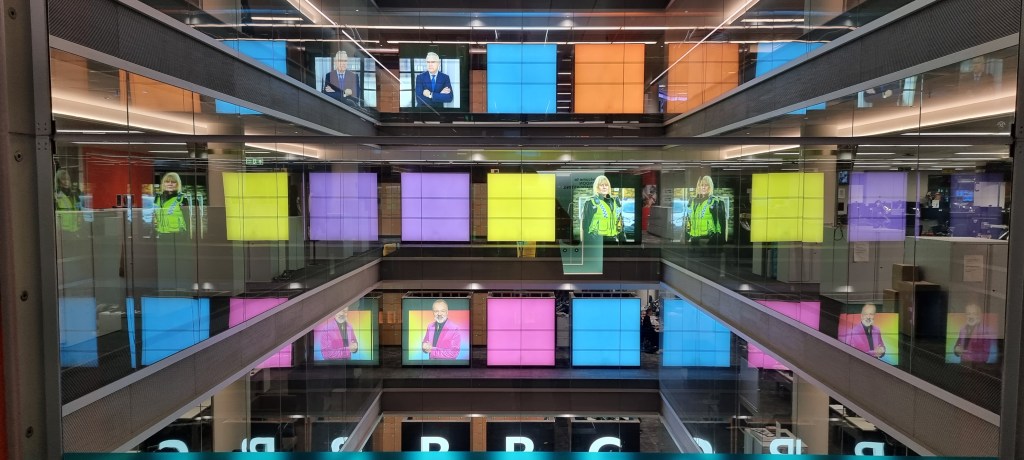
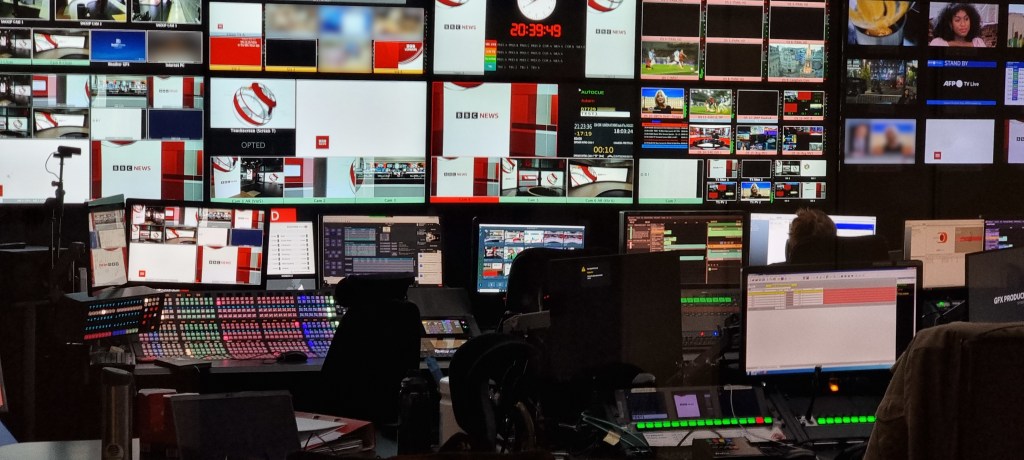
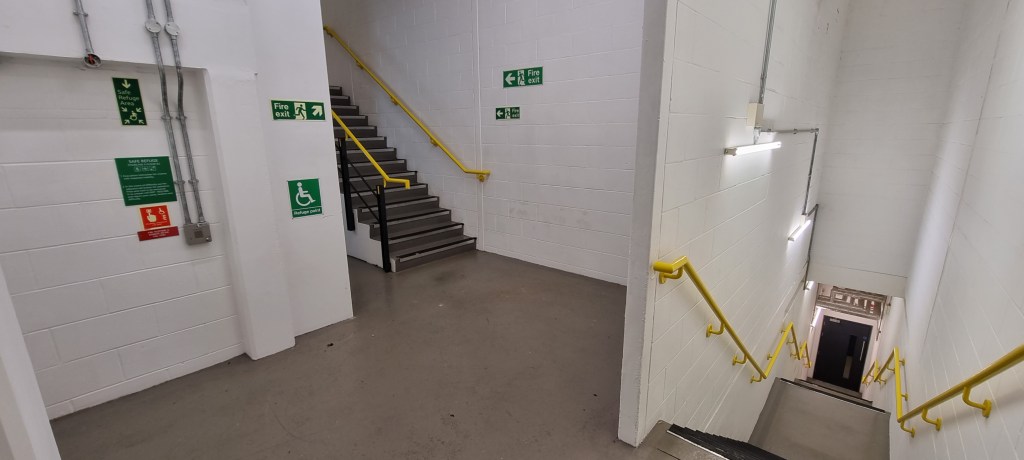
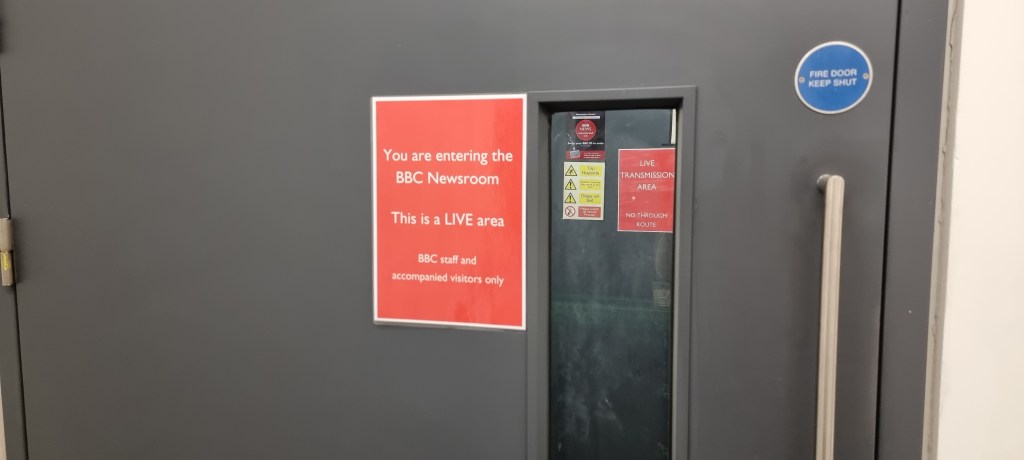
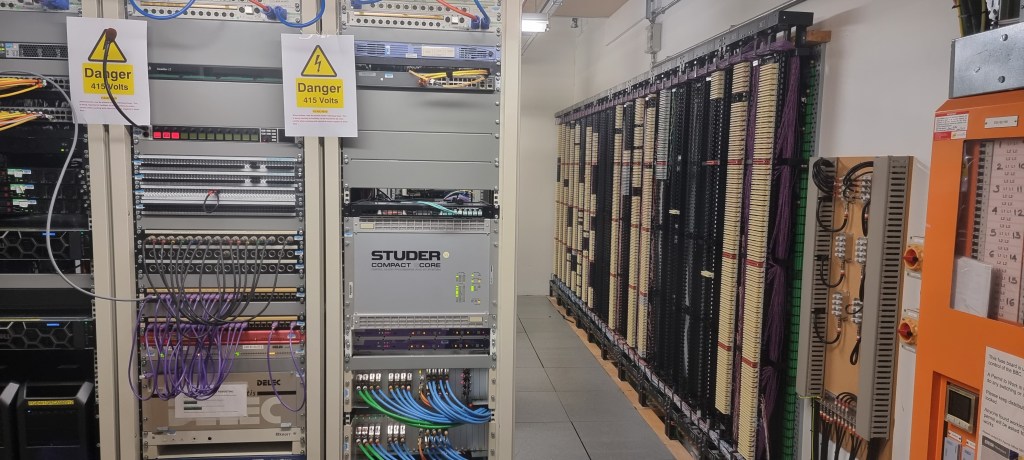
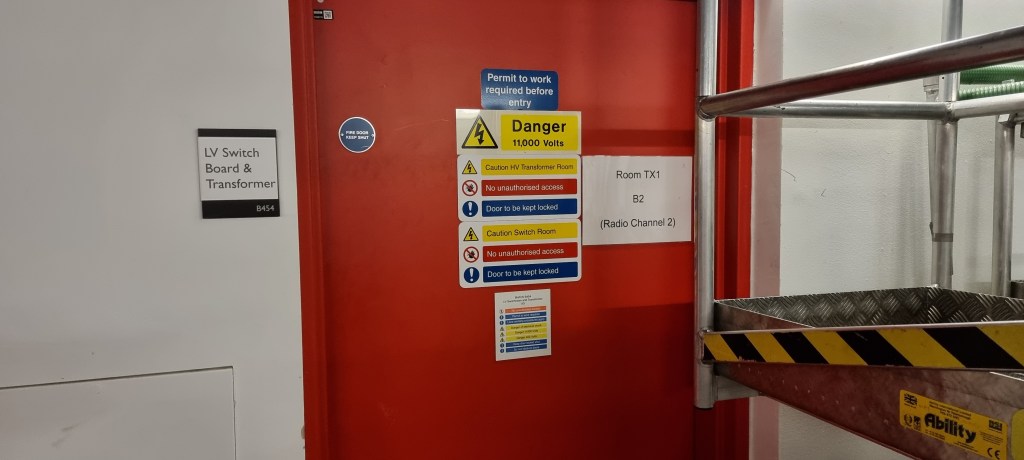
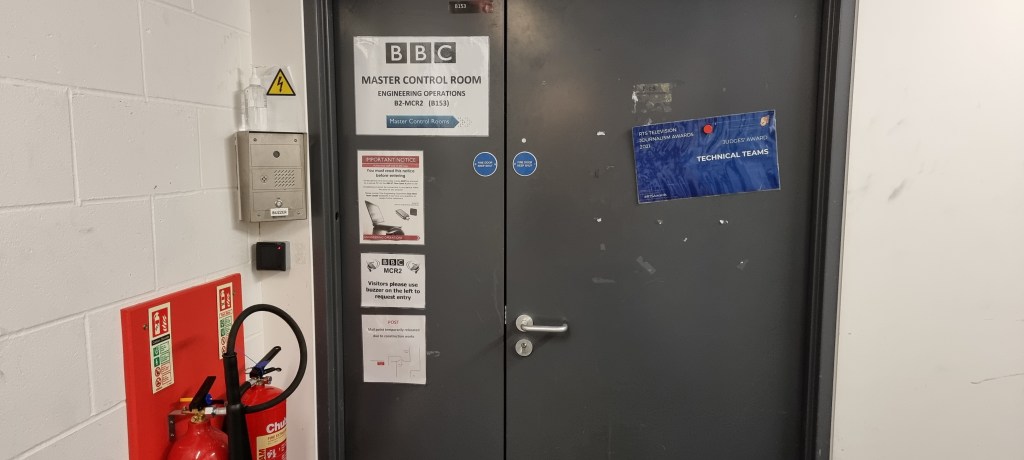
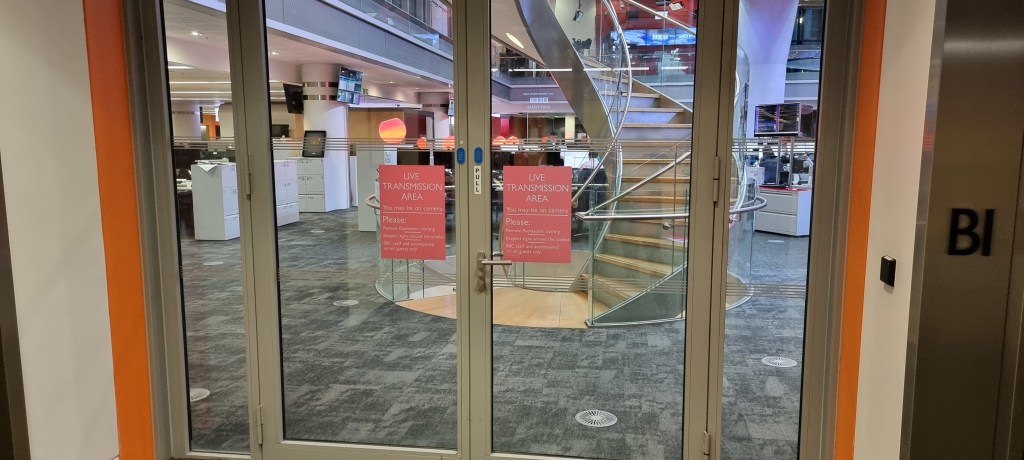
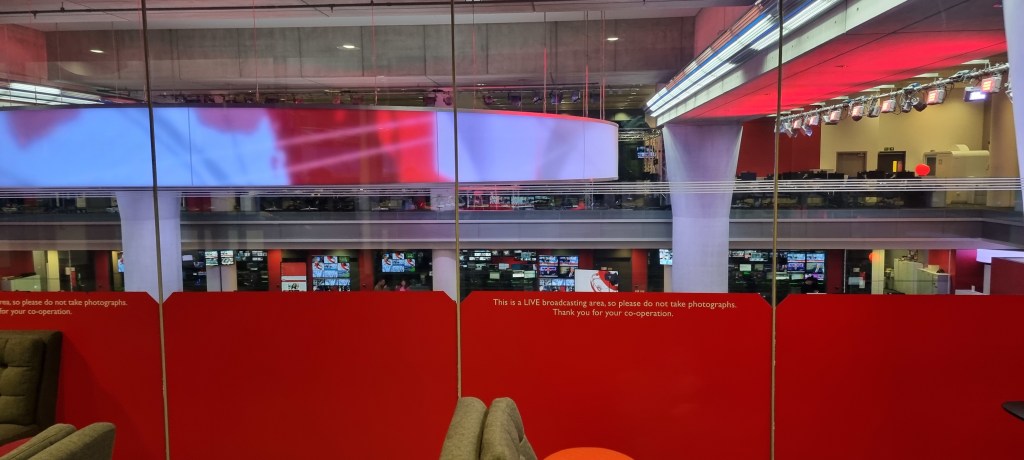
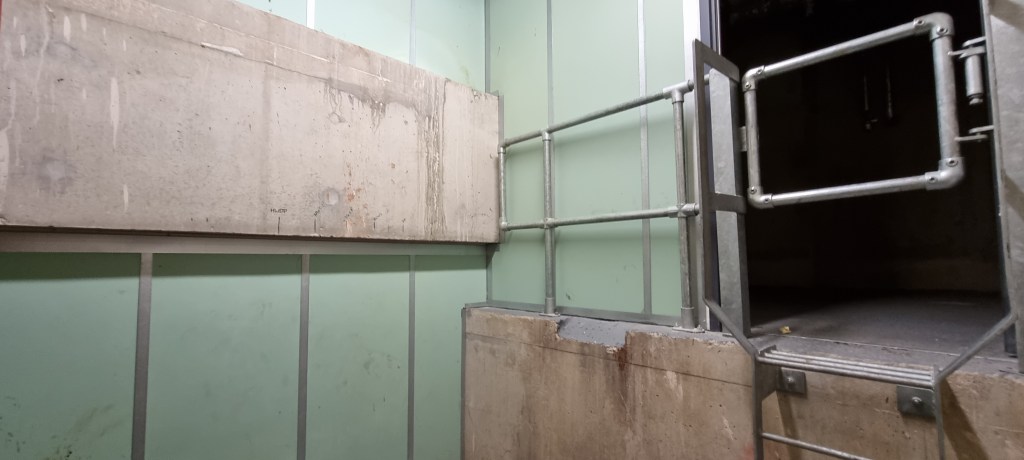
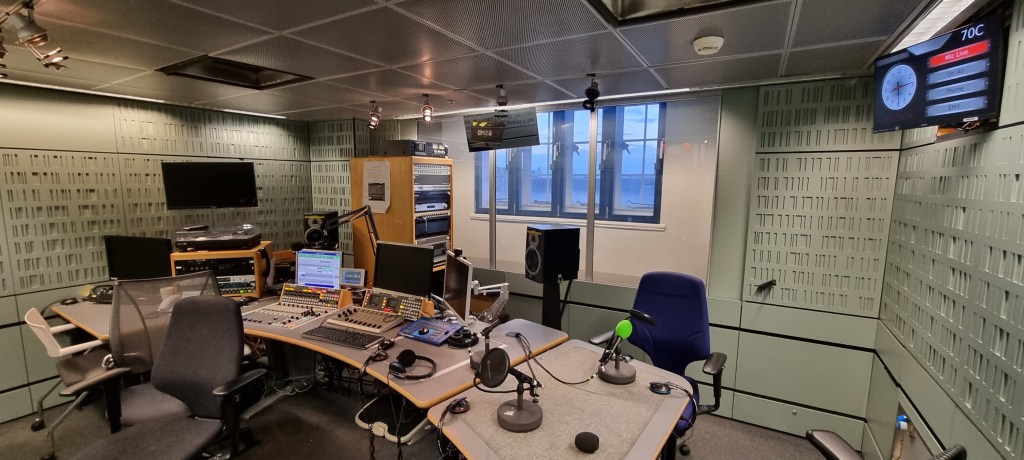
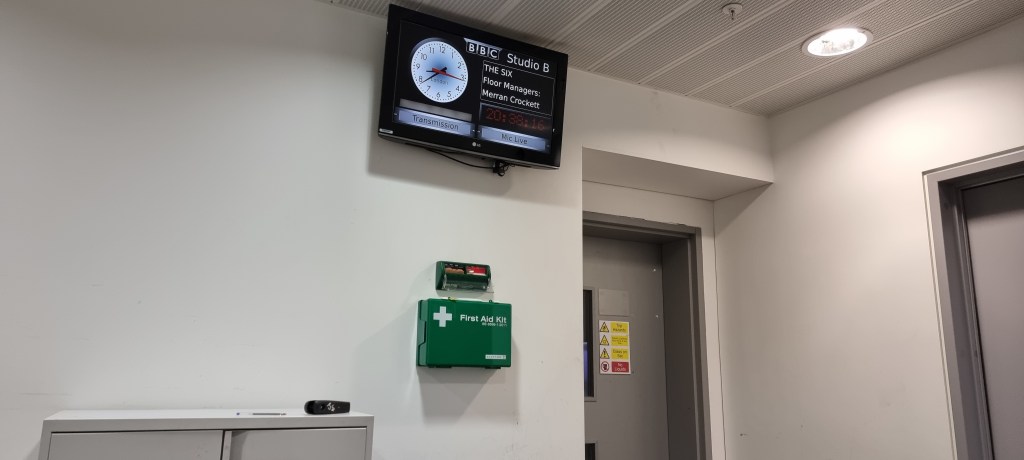
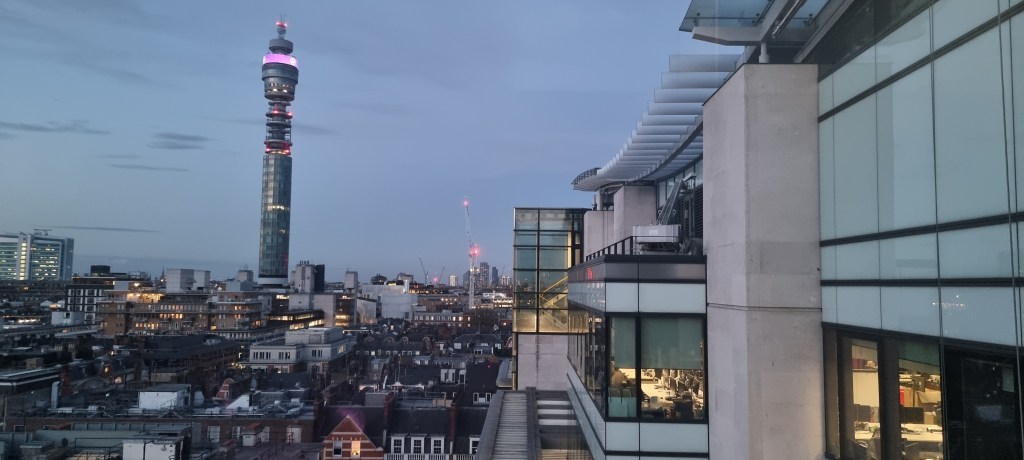
Air handling and hot water plantAir handling unitAtriumBasement corridor linking NBH & PWBasement gallery monitorsBasement galleryBasement stairwellBBC Weather Studio J accessBBC Weather Studio J doorBBC Weather Studio JCable roomCentral Apparatus AreaDoor to transformer #1Glasgow-bound boxMaster Control RoomNewsroom at lower ground floorNewsroom from Studio E roofPeel Wing basement – signPeel Wing basement – stairsService voidStudio 70C (former store)Studio A main doorStudio B main doorNews studio doorNews studioView from top of NBH Stair 1
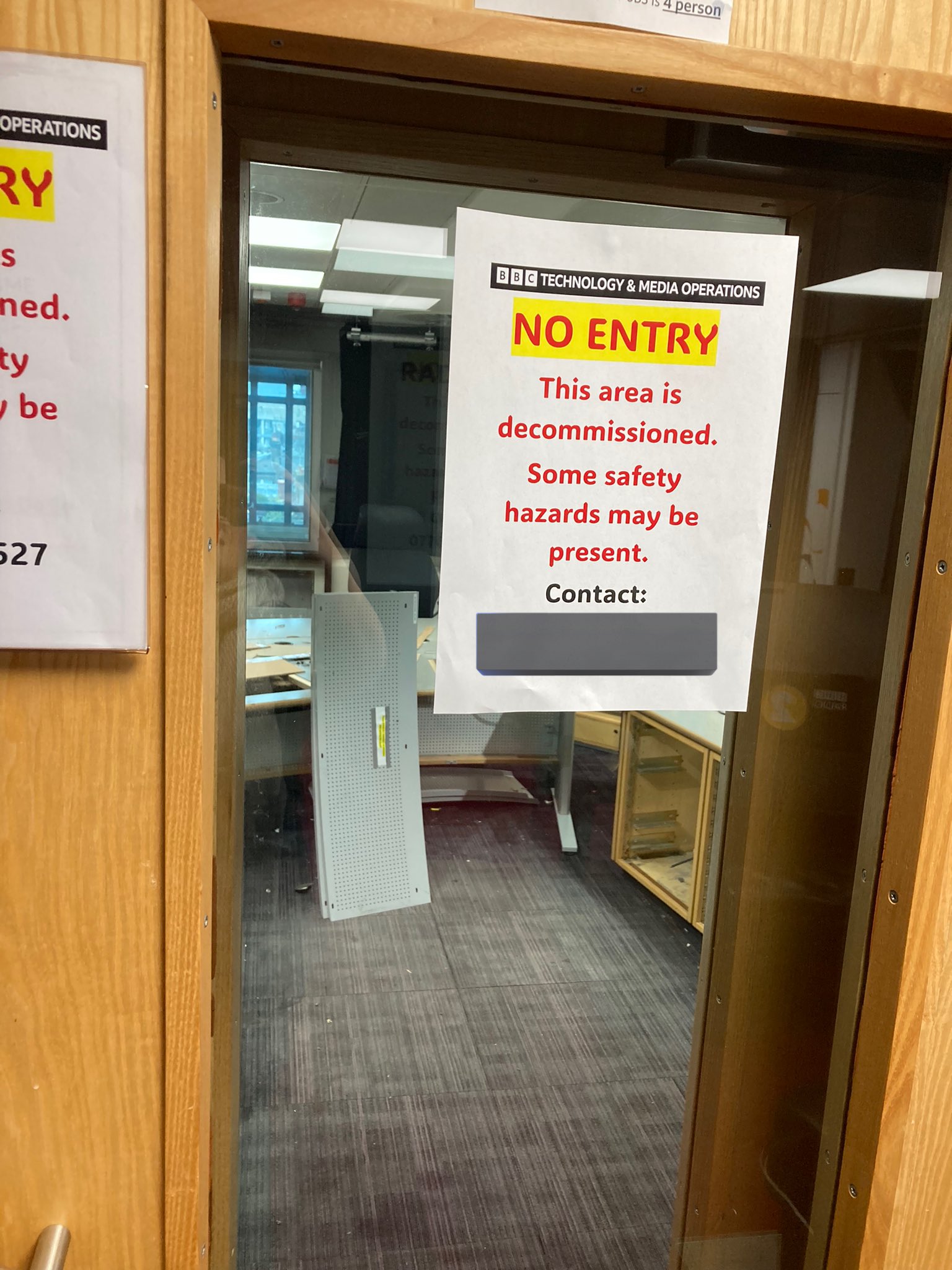
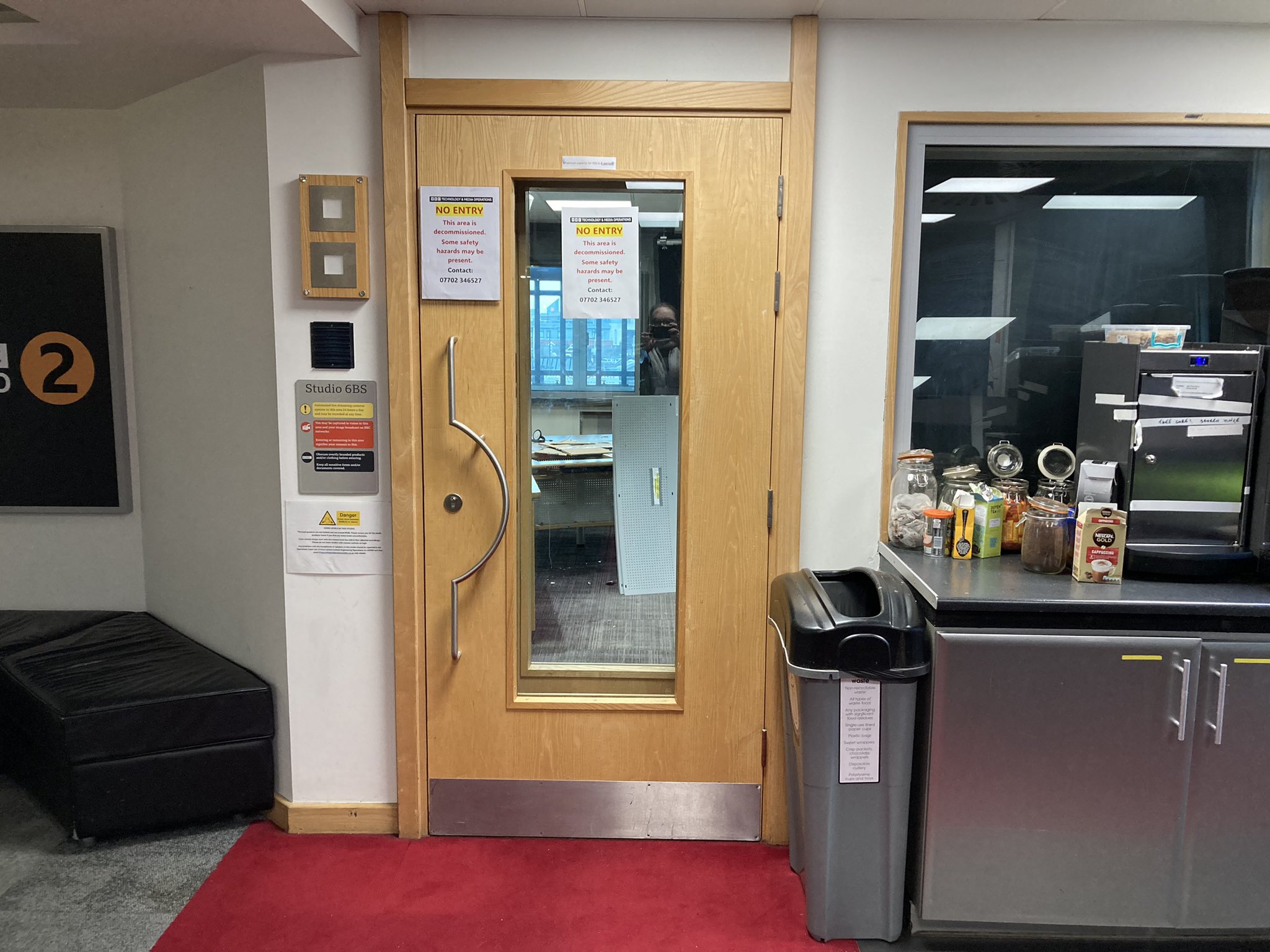
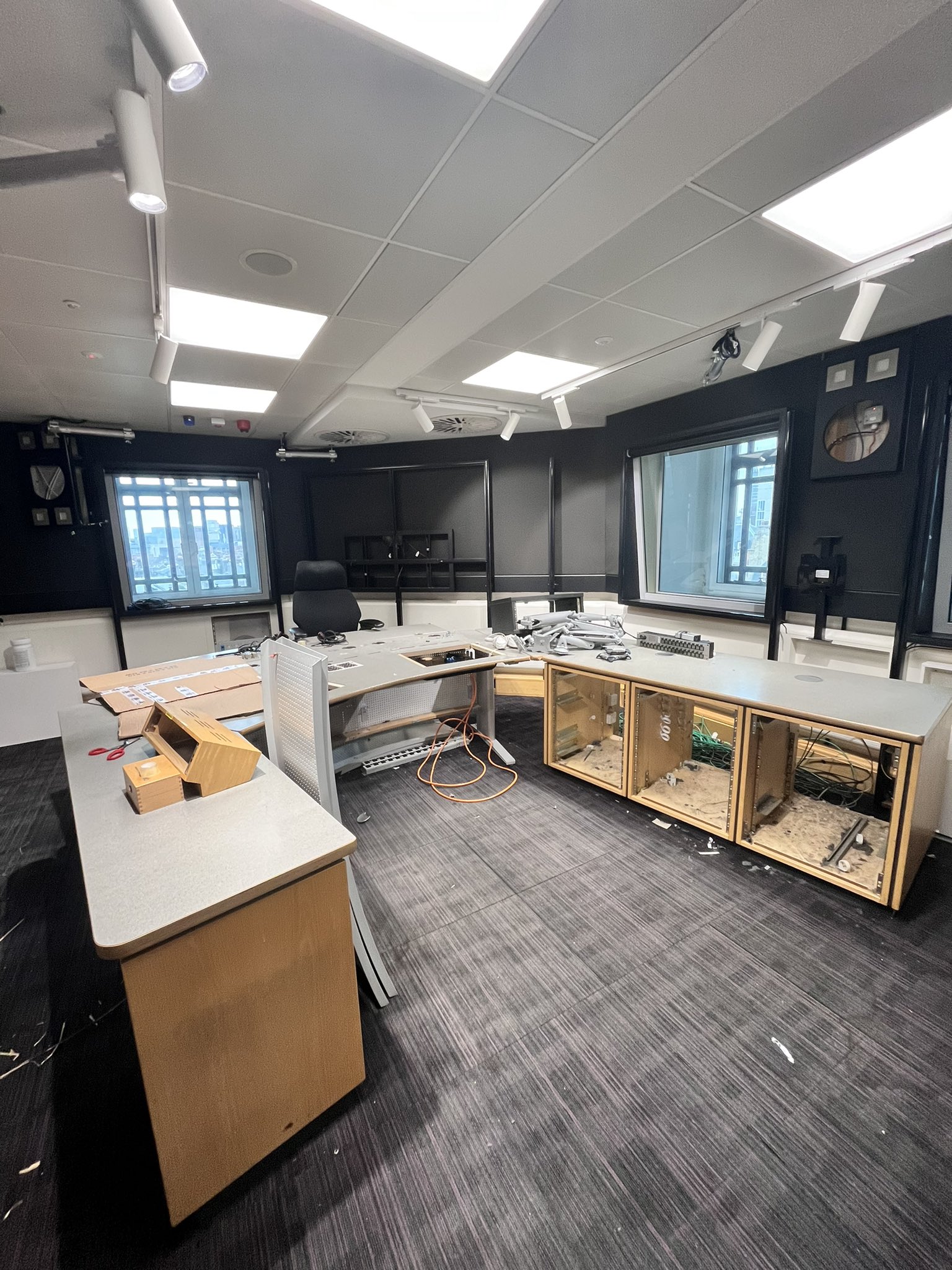
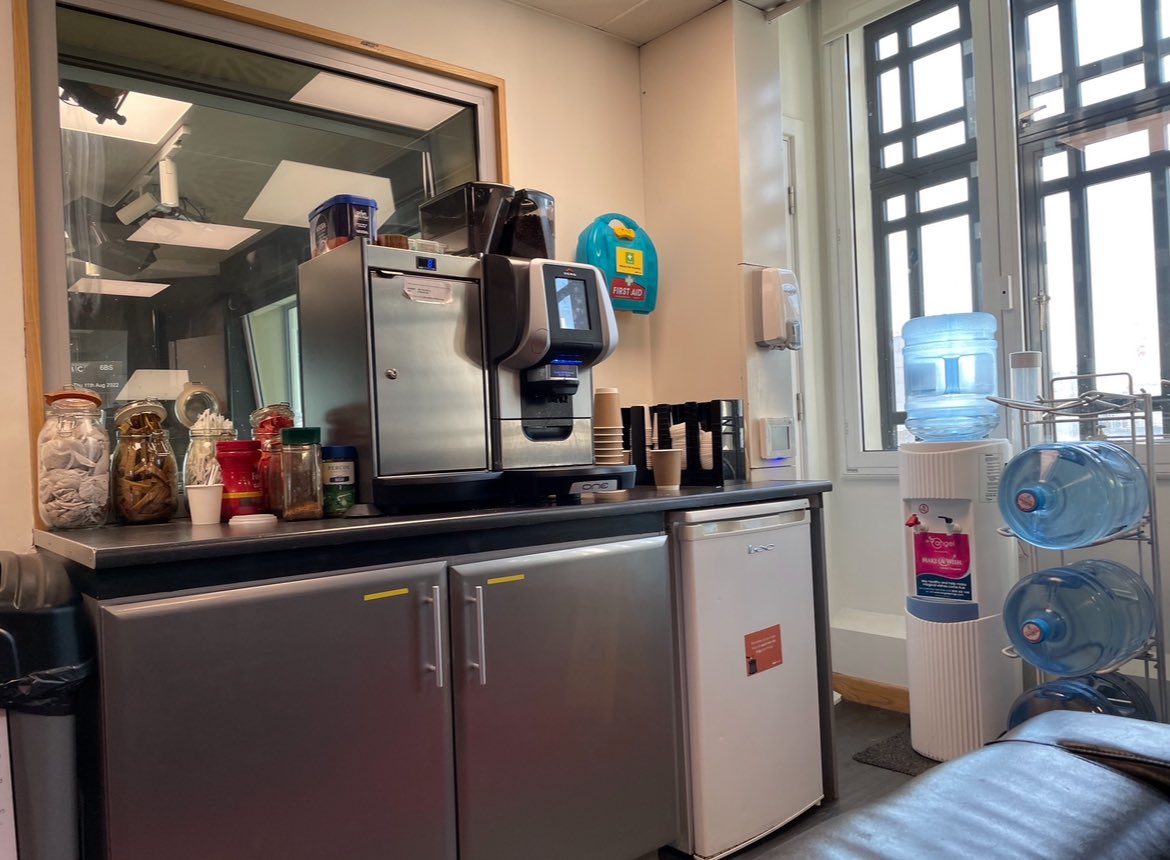
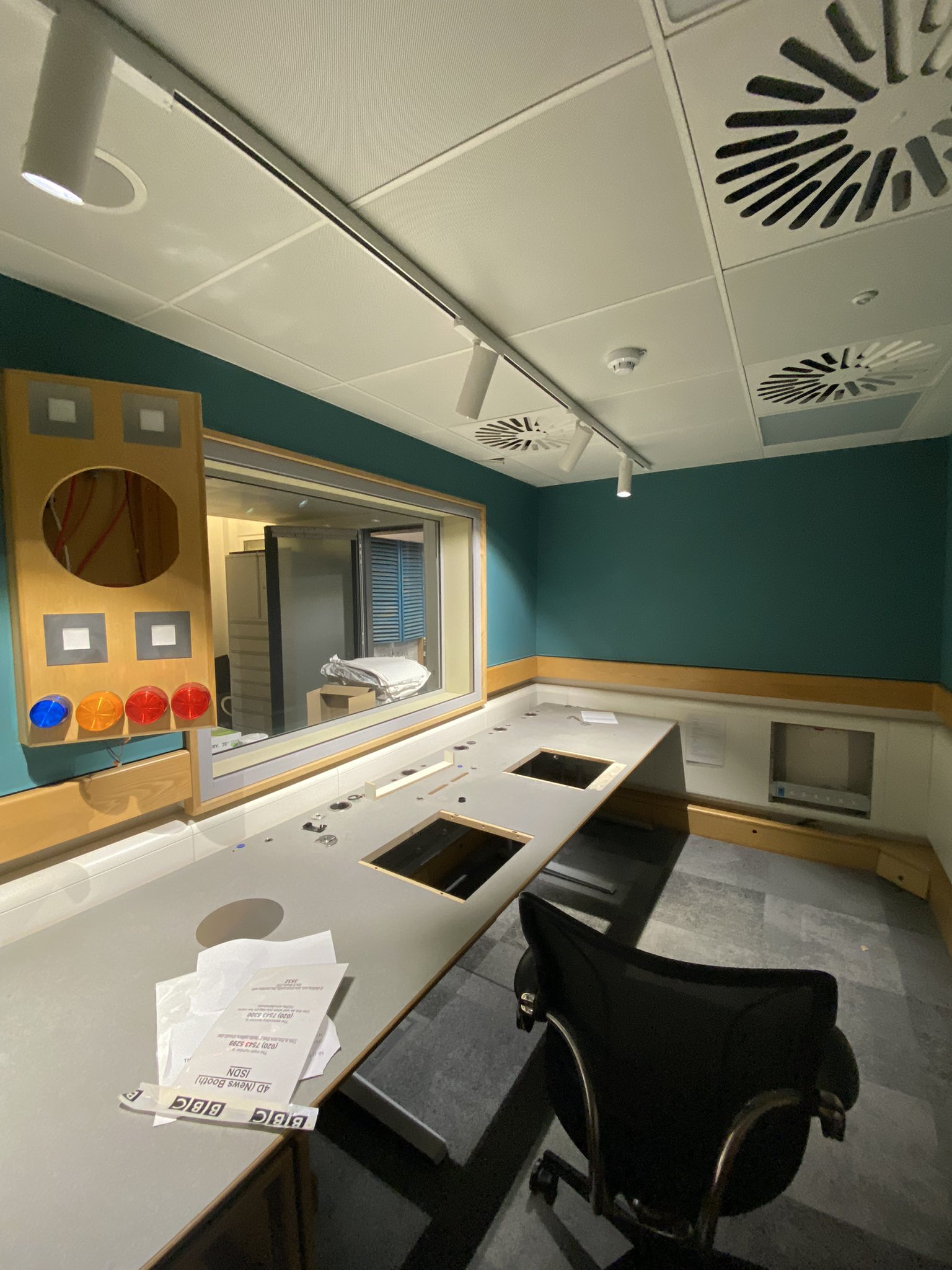
Wogan House:
NOTE: These photos have been taken from X, compiled here for historical reference purposes (with the photographer’s username shown beside each). They are not the property of HARDCORE SETS.
Studio 6B – @amsterdammed:
Studio 6B – @TashBandara:
Green room – @see75:
Others:
Studio 6C – @ornamerchant
Studio 4D – @ClareNews2
BBC/Radio TechCon
A Wogan House visitor’s pass from its time as Western House (specifically, during the early years of occupation by BBC Radio 2 and BBC Radio 6 Music).









































































































































 HARDCORE SETS