
Jump to:
Avalon Studios
Camperdown Studios
ABC Gordon Street Centre
South Pacific Pictures (Shortland Street)
TV3 studios
Avalon Studios, 41 Percy Cameron Street, Lower Hutt, New Zealand
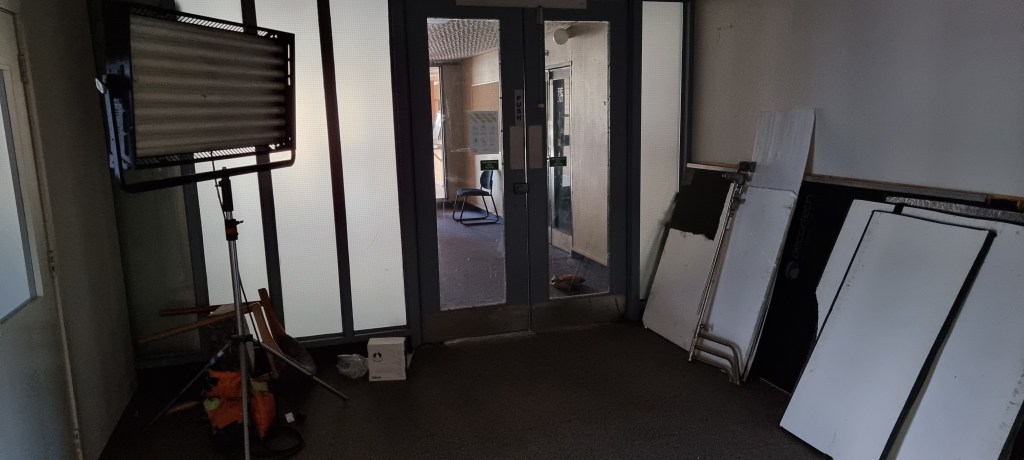
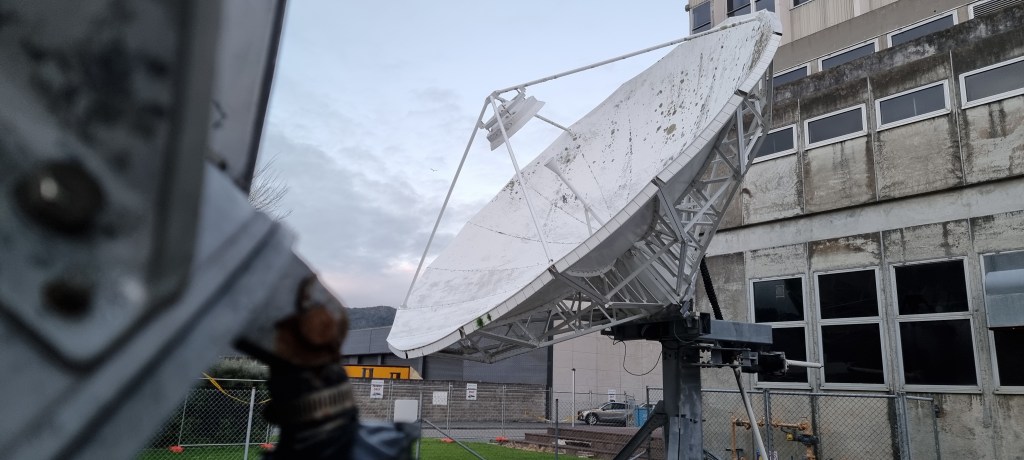
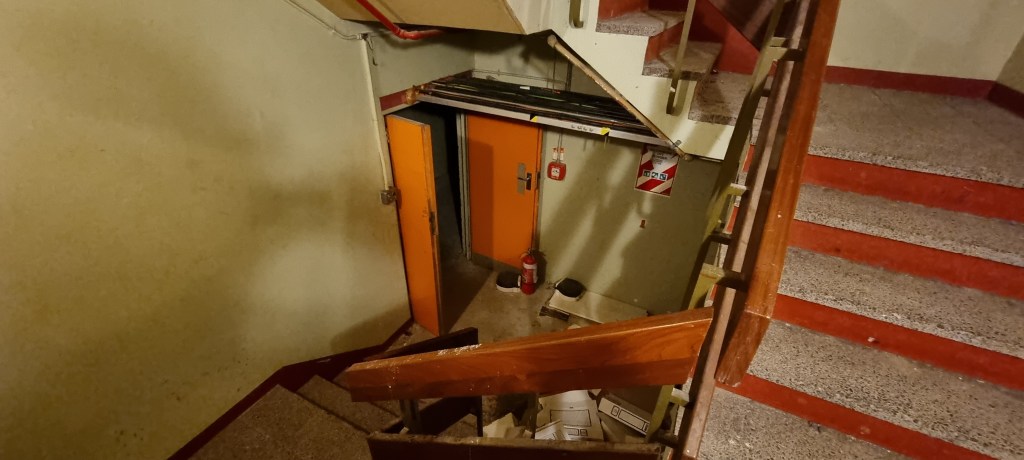
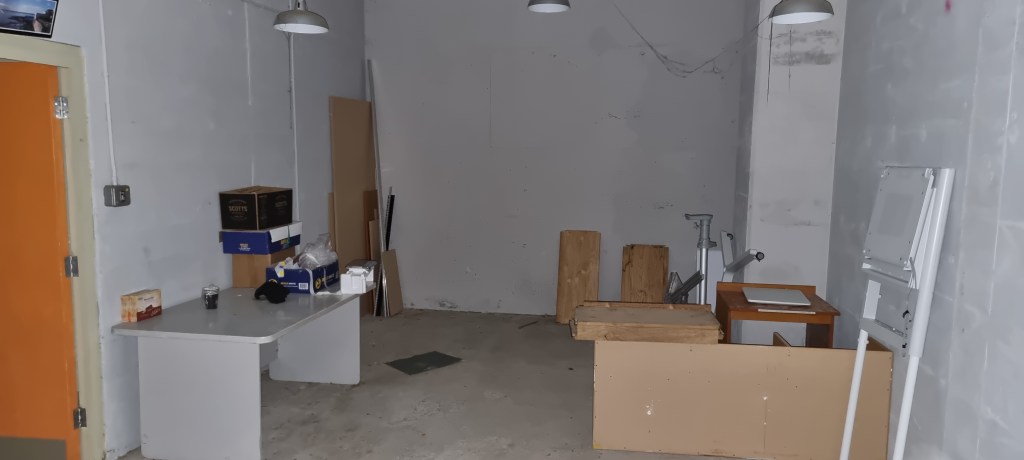
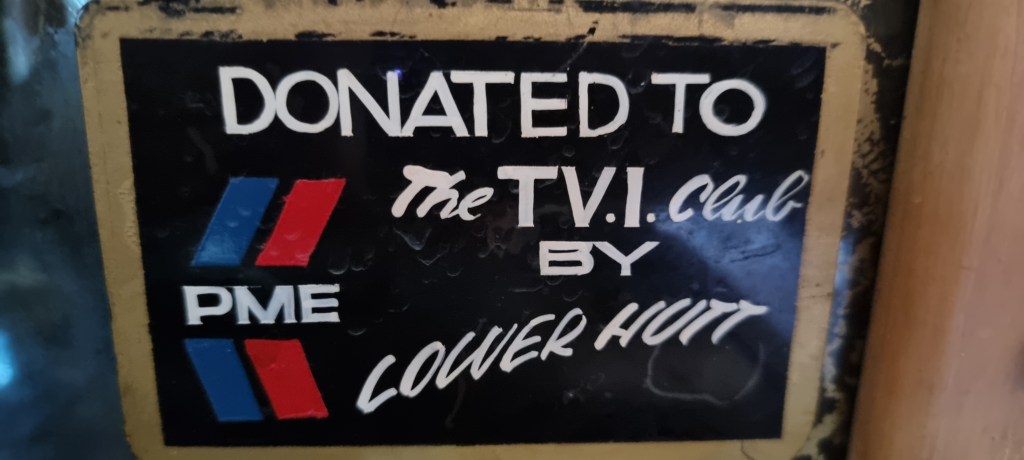
The New Zealand Broadcasting Corporation (NZBC) Television Centre – now Avalon Studios – is a television production facility in Lower Hutt, Wellington consisting of a studio block, 10-storey office block known as Avalon Tower, a services/powerhouse building, outside broadcast garage (demolished), and a filming pool and backlot.
The KiwiTV website has an excellent piece on Avalon Studios.
The site houses international broadcast company, NEP, and the New Zealand Television Archive (now the TVNZ Collection) in two newer buildings at the southwest side. This is also where the crèche was located, but this was removed in around 2011 and the space is now used as part of the backlot.

Upon opening in April 1975, the NZBC Television Centre was the largest television production complex in Australasia, costing around $10 million to build. However, timing wasn’t on its side, and the NZBC was dissolved just before the opening of the complex. As a result, it was renamed the Avalon Television Centre where it became home to the brand new Television One (TV1) channel.
In 1980, the complex became known as TVNZ Avalon Studios following a merger of the TV1 and South Pacific Television (TV2) channels. At this point, the national news service moved to Auckland, and, less than a decade later in 1989, TVNZ migrated its headquarters and much of the remaining Avalon operations with it.
The 1990s saw a mass exodus up north, with the bulk of Avalon’s remaining productions uprooted – first, Fair Go in 1998, then What Now in 2003. The tower was sold off in 2004, although this housed Kordia’s Network Operations Centre (which included New Zealand’s television transmission control room) until this function moved to the studio block after the tower was vacated in recent years.
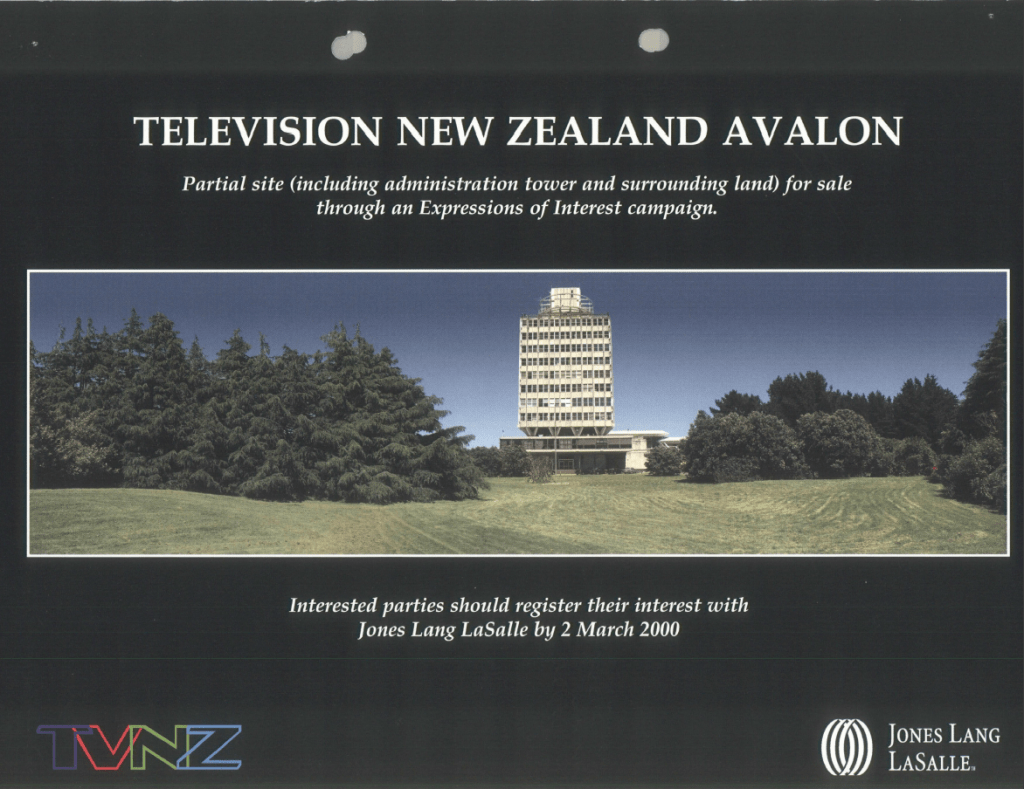
TVNZ productions continued at Avalon until Good Morning moved to Auckland in 2011, followed by Lotto and Trackside shortly after. The studio block and remaining buildings were sold in 2012 and are now a privately-owned film and TV production complex known as Avalon Studios.
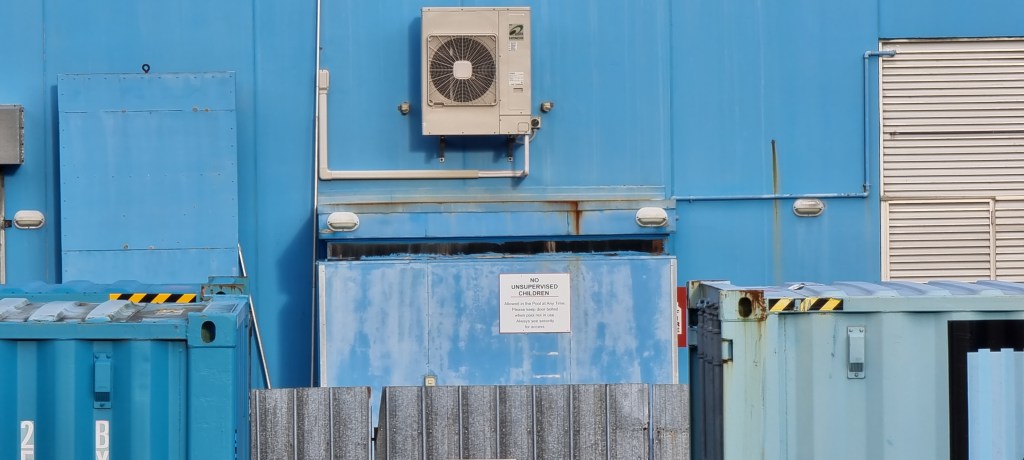
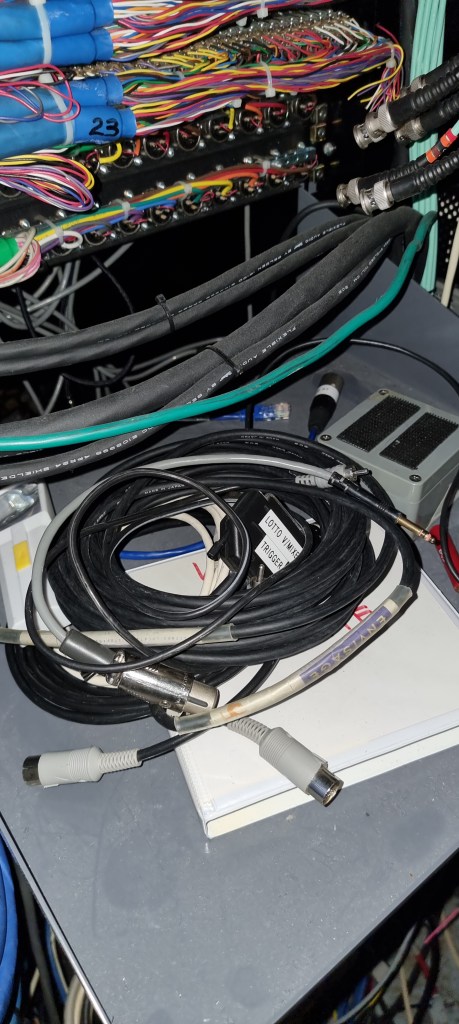
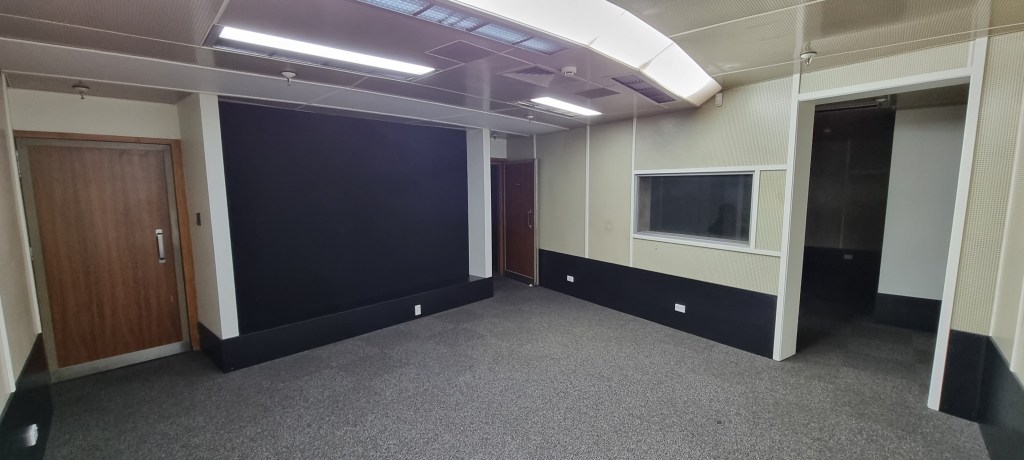
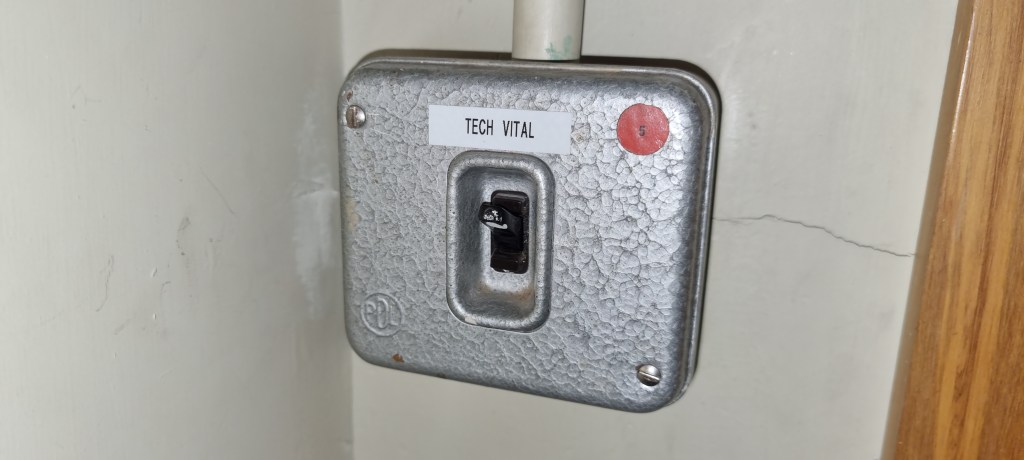
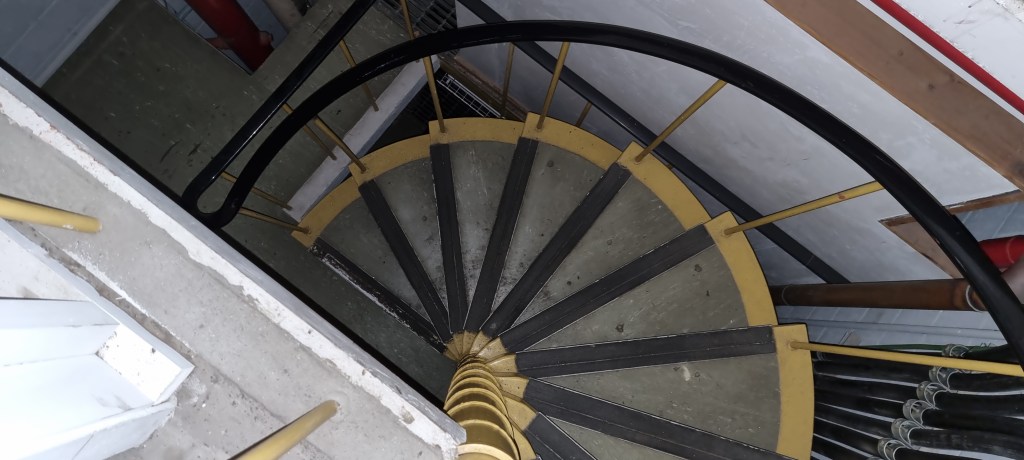
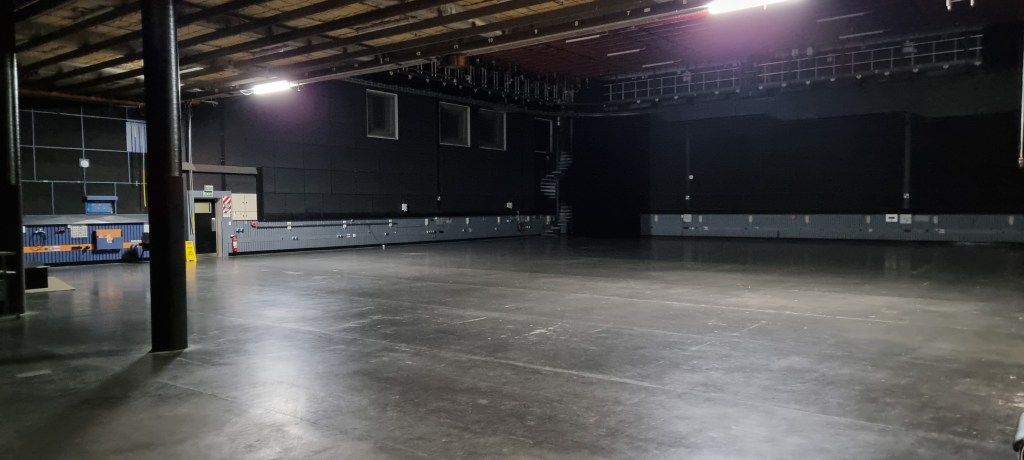
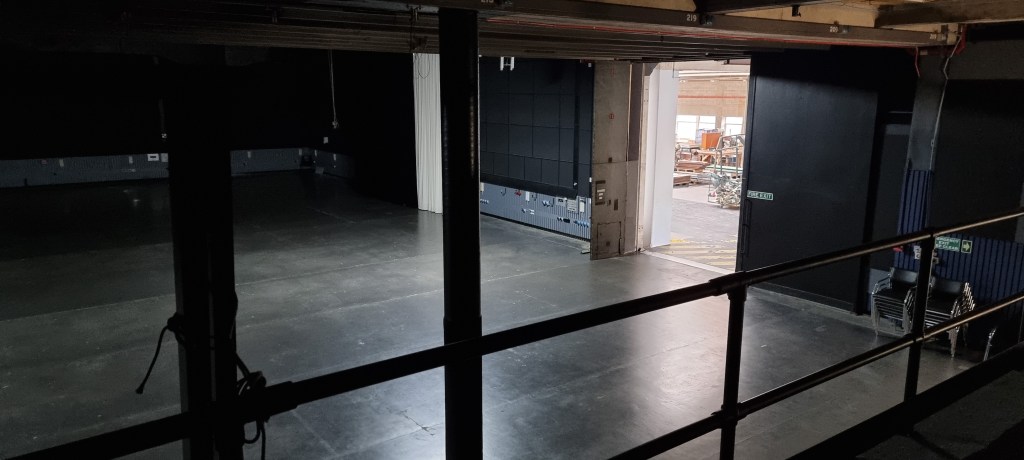
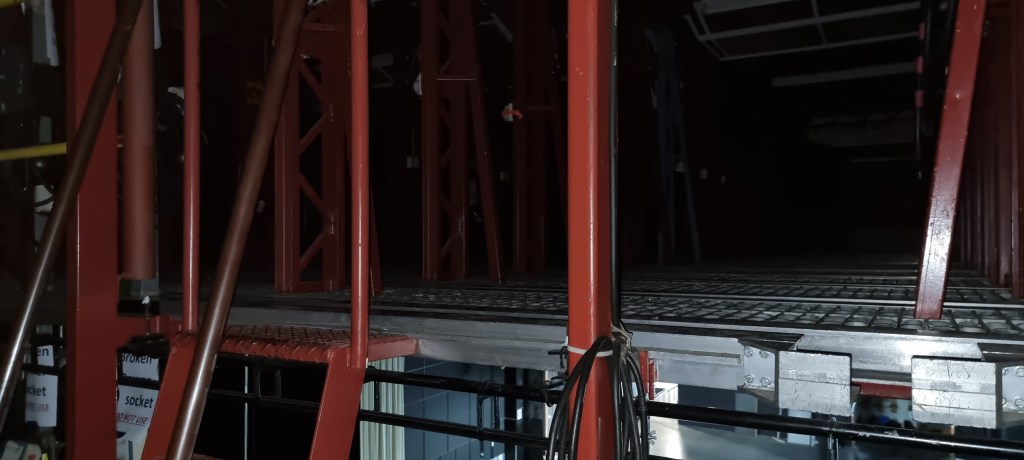
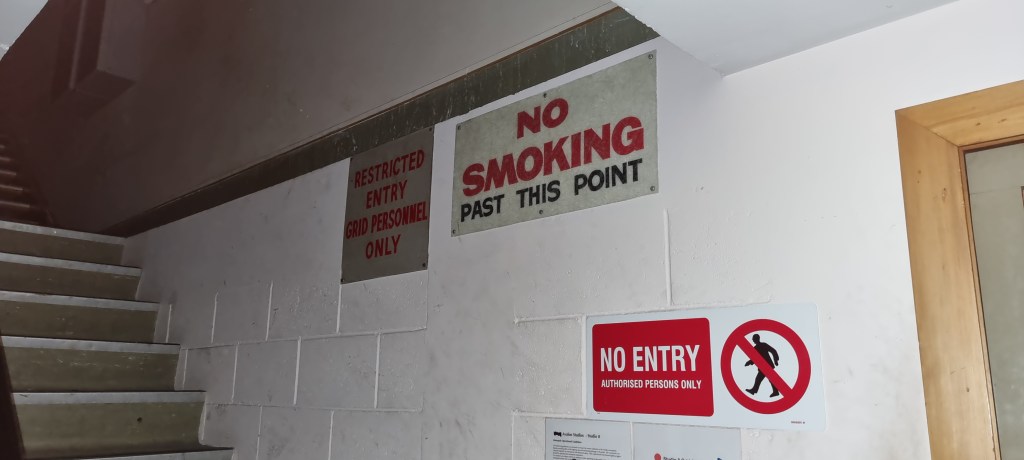
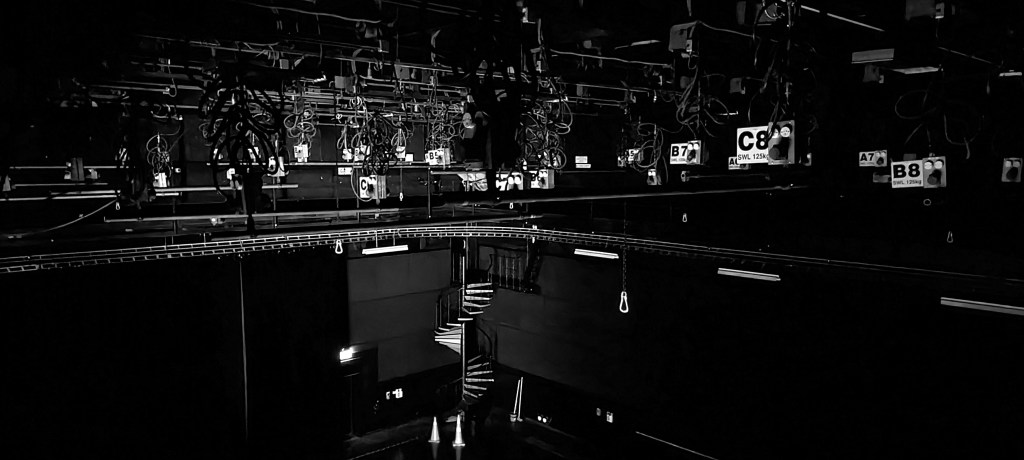
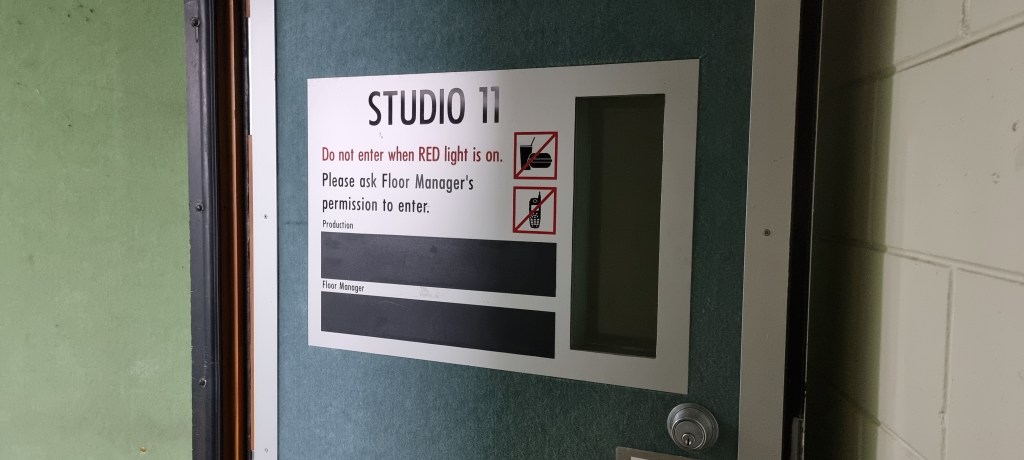
The studio block still houses its four original studios – 8 (the biggest in New Zealand), 9, 10, 11 and associated facilities, along with smaller (originally continuity) studios 1, 2, 3, 4, and 5 (added later) on the first floor. A studio 7 was also added but studio 6 remains a mystery.
Today, the first floor is home to Parliament TV which broadcasts from a custom-built digital playout studio located in the Kordia Media Hub.
Confusingly, studios 8, 9, 10, and 11 were originally numbered from one to four and the continuity studios were numbered in the 10s, however this was at some point changed. The studios have recently been home to Wellington Paranormal, Ghost in the Shell, Blade Runner 2049, and Thunderbirds Are Go – a UK release.

Studios
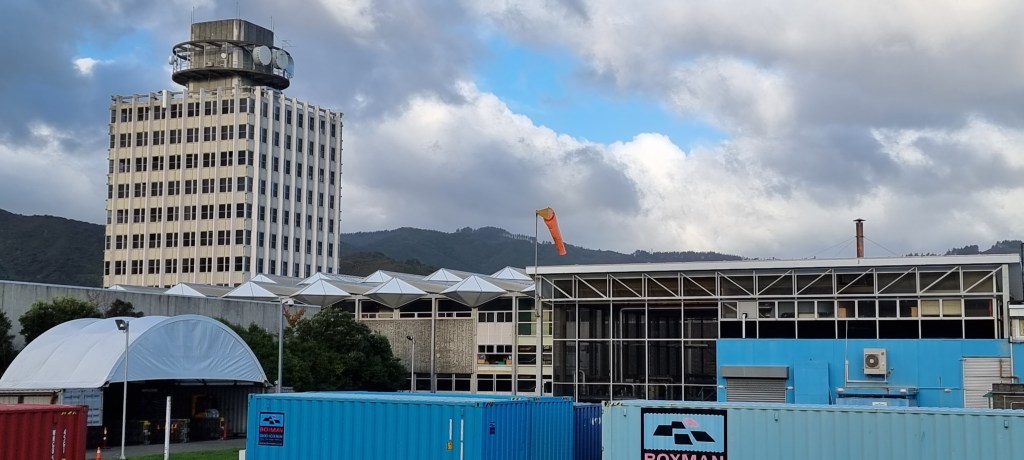


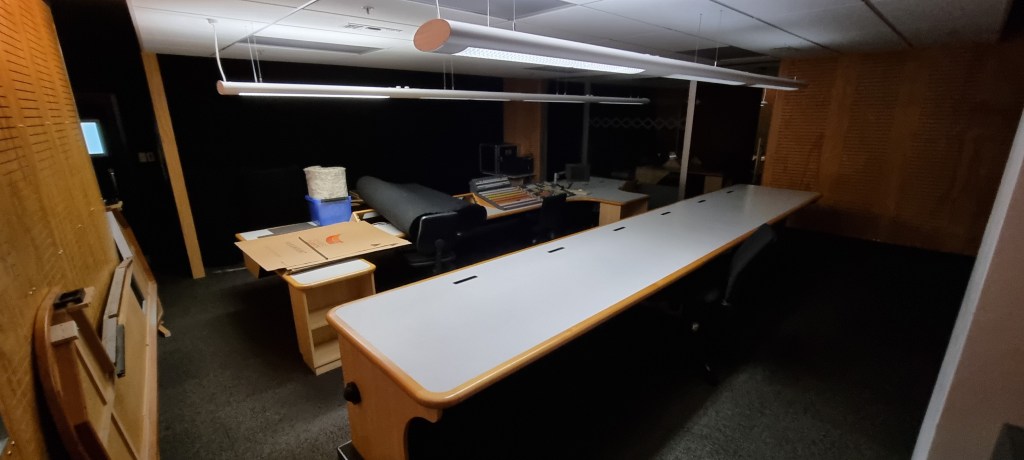














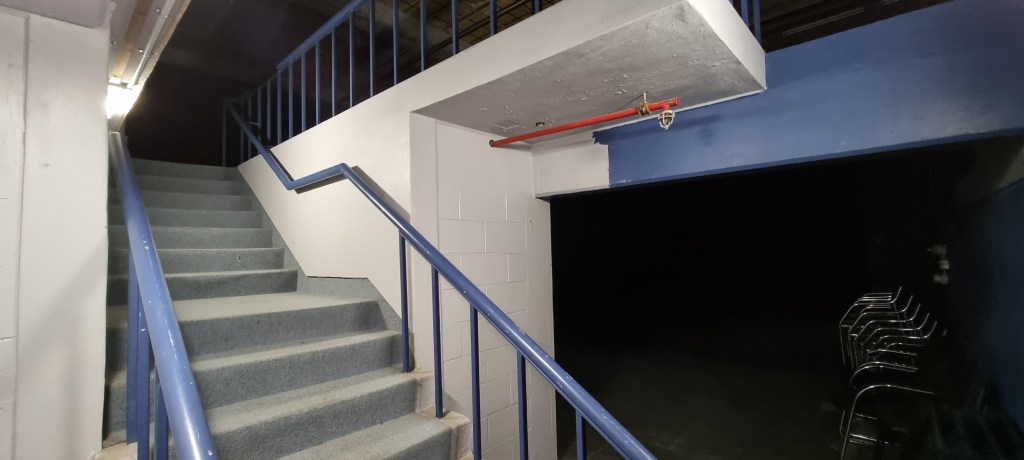


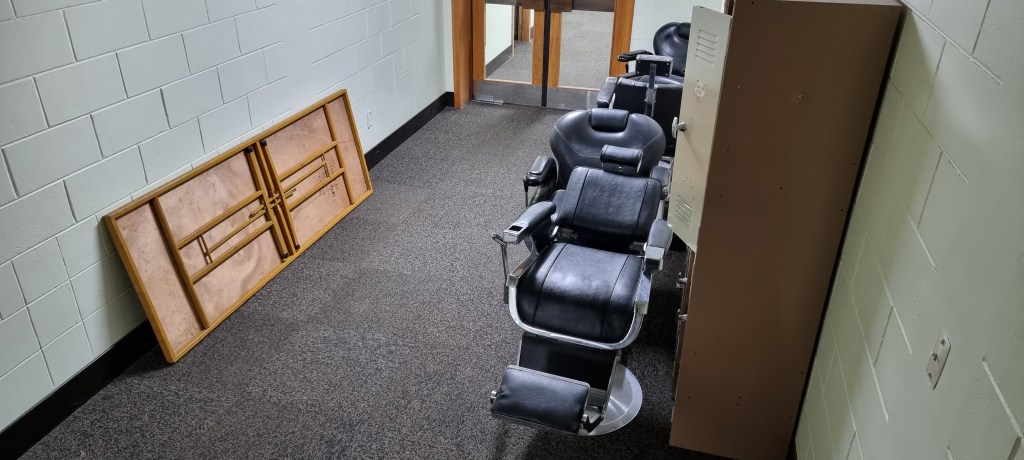
Tower
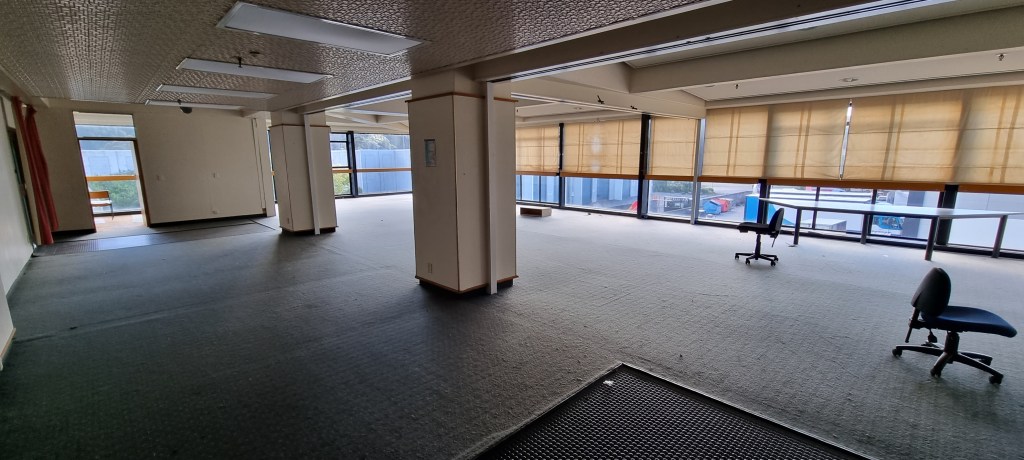

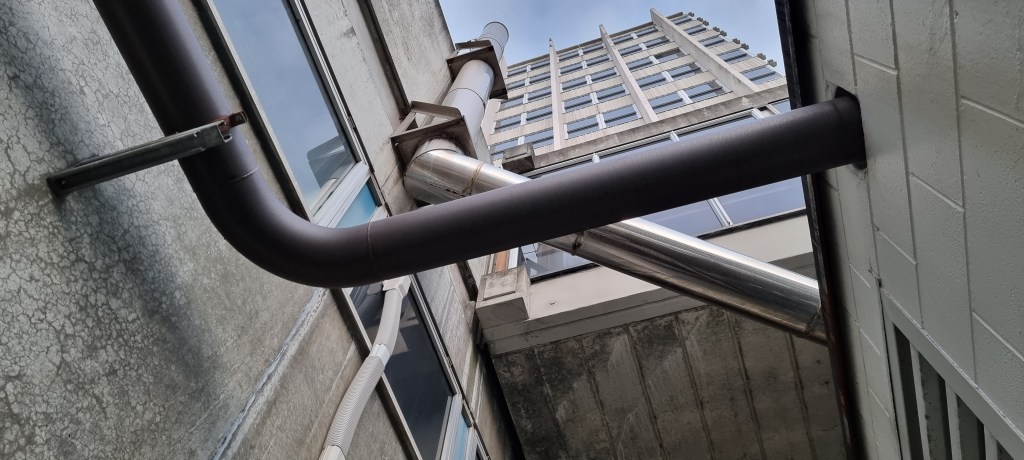



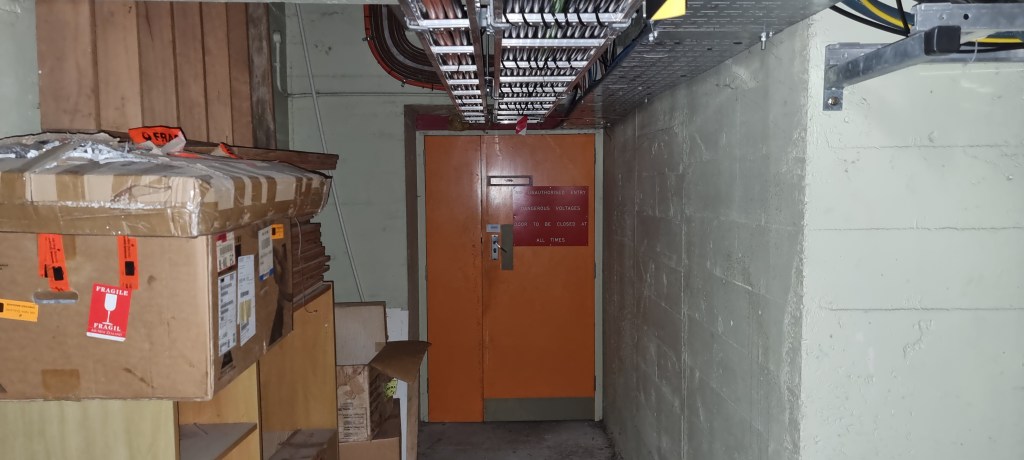
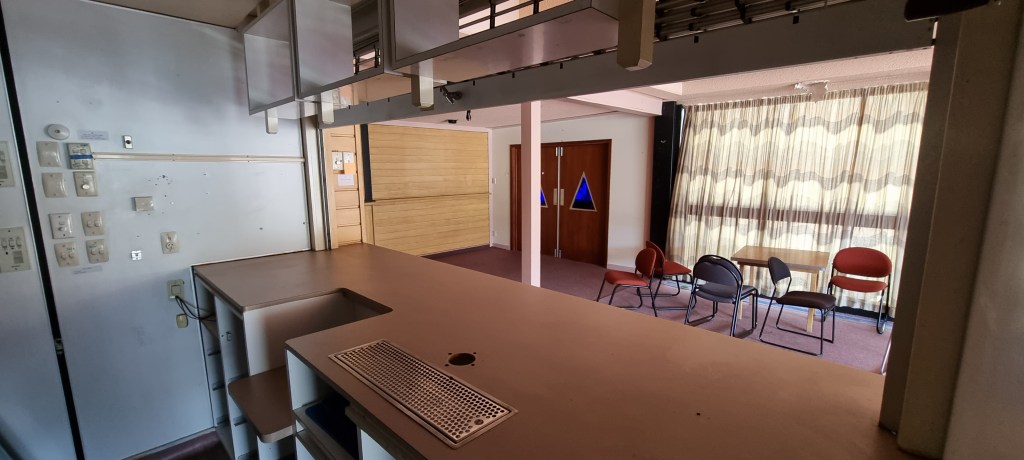
Tower Bistro
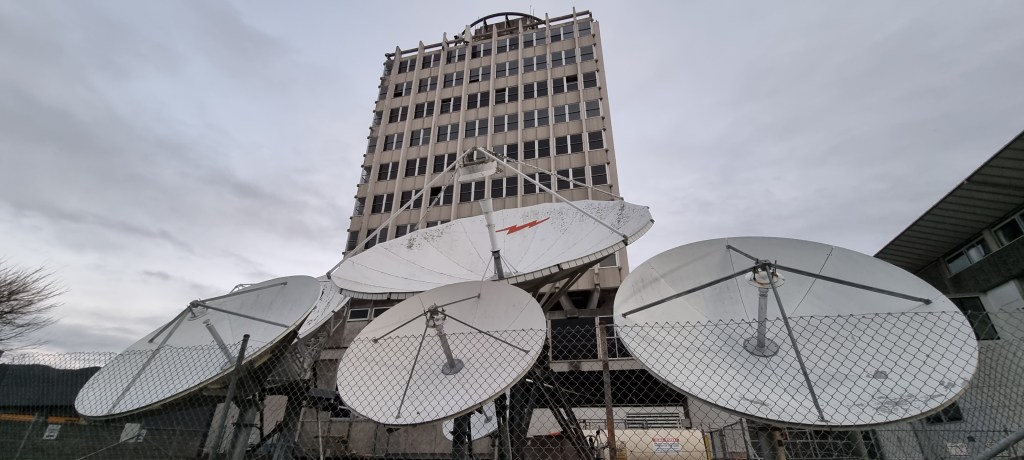



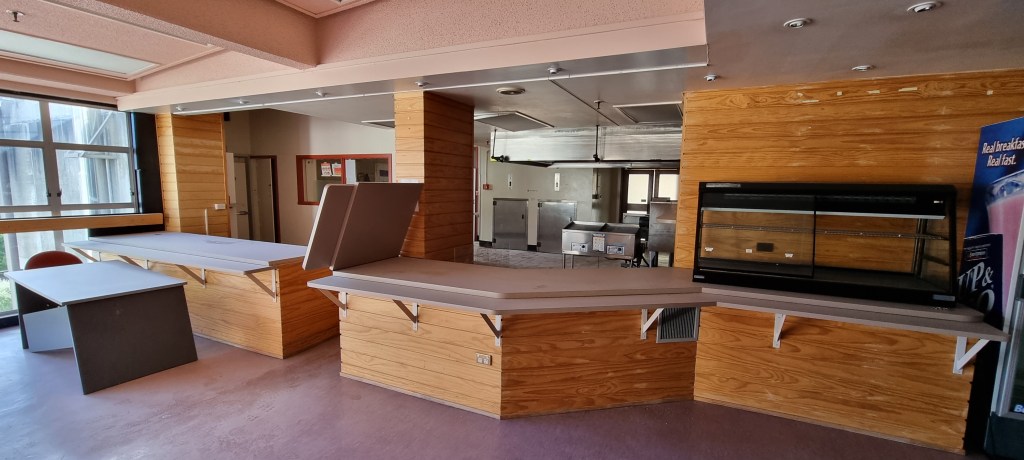
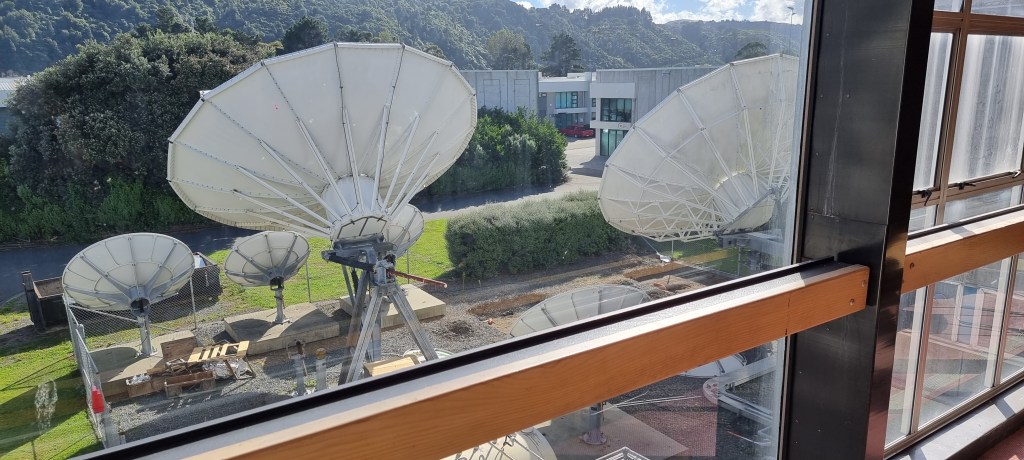
satellite enclosure


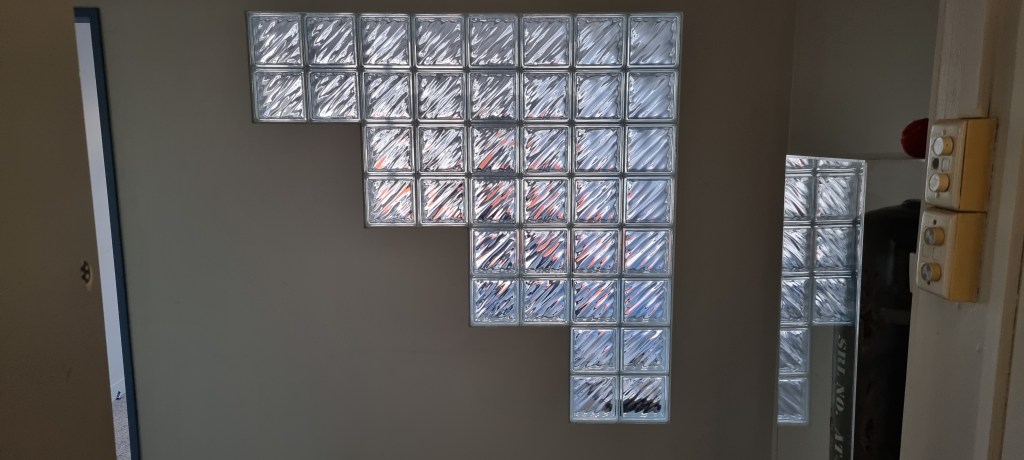

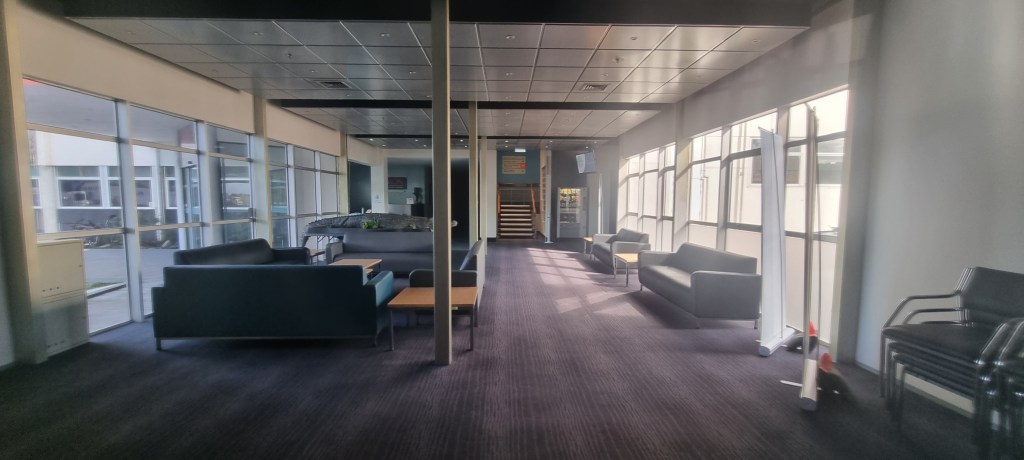
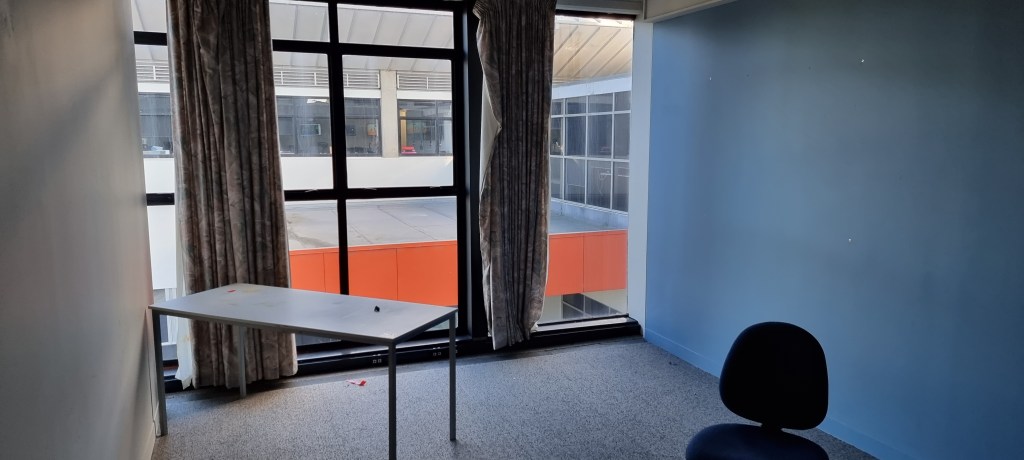

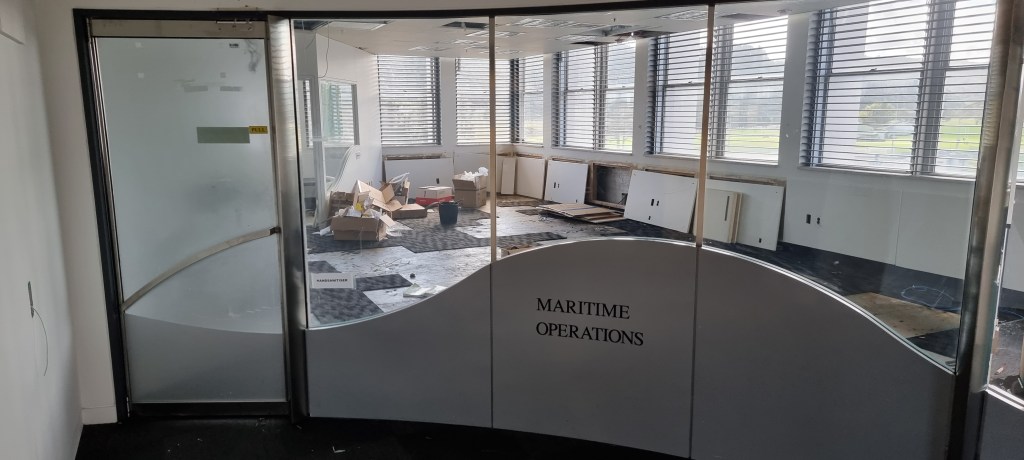


(looking out)


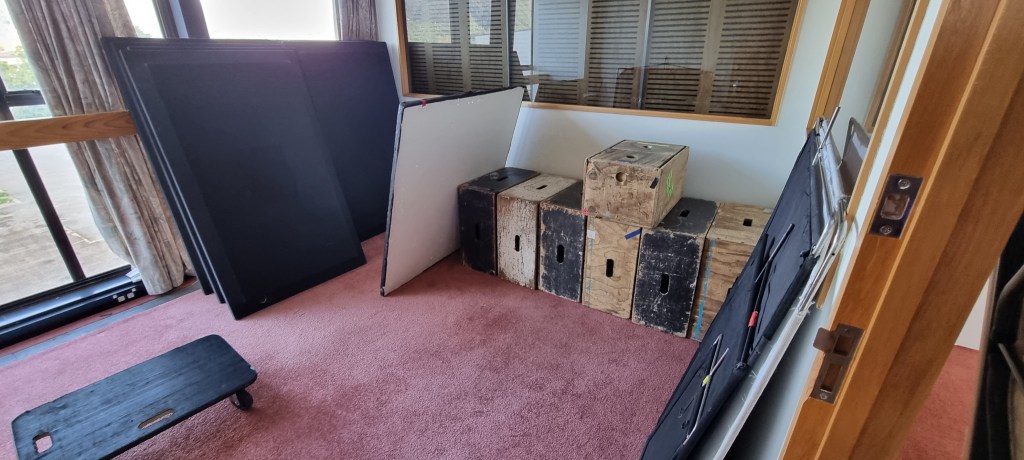


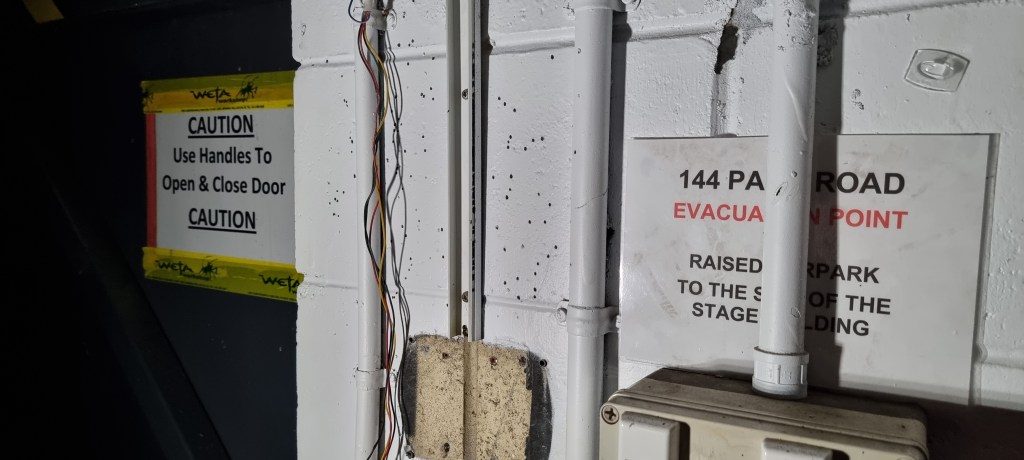
Camperdown Studios, 142-148 Park Road, Wellington, New Zealand
Camperdown Studios Park Road is an expansion of the original Camperdown Studios located at 1 Camperdown Road in Miramar. The former industrial complex was initially purchased in the 1990s by Sir Peter Jackson prior to the development and subsequent expansion of Stone Street Studios in the 2000s.
This article covers the Park Road site at 142-148 Park Road in the context of other Miramar production facilities (Jackson’s ‘Wellywood’ empire) used for The Lord of the Rings and others.

The A Stage at Stone Street Studios was built for The Lord of the Rings trilogy (LOTR) following acquisition of what was previously a paint factory. The former factory’s finished goods and despatch buildings – referred to as Stages B & C at the time, and simply Blocks B & C today – were also used as makeshift studios, however additional space was still required.
“You can hardly call [B Stage] a studio really – it’s just an old tin shed.”
— Sir Peter Jackson, The Hobbit Production Diary
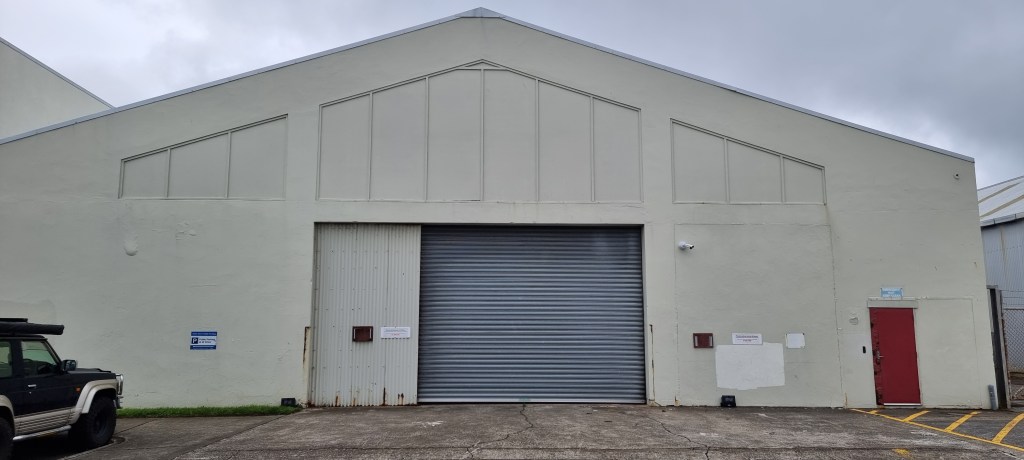
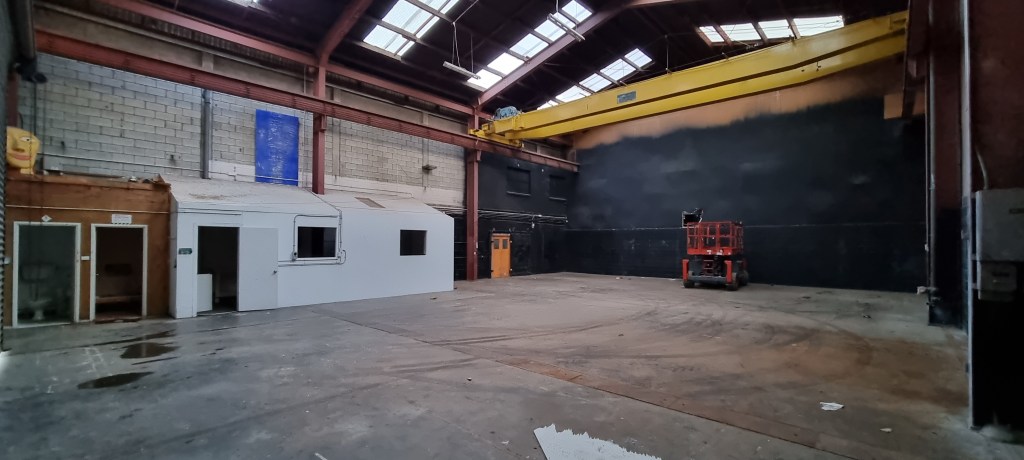
To accommodate the likes of LOTR’s miniature production unit and some VFX filming, two warehouses at Camperdown Park Road were converted into Stages D & E. These provided additional studio space alongside prosthetics design and makeup rooms, wardrobe space, construction workshops, and production offices for The Lord of the Rings. One of the workshops at 146A Park Road was converted into a Wētā FX office and screening room in around 2010.

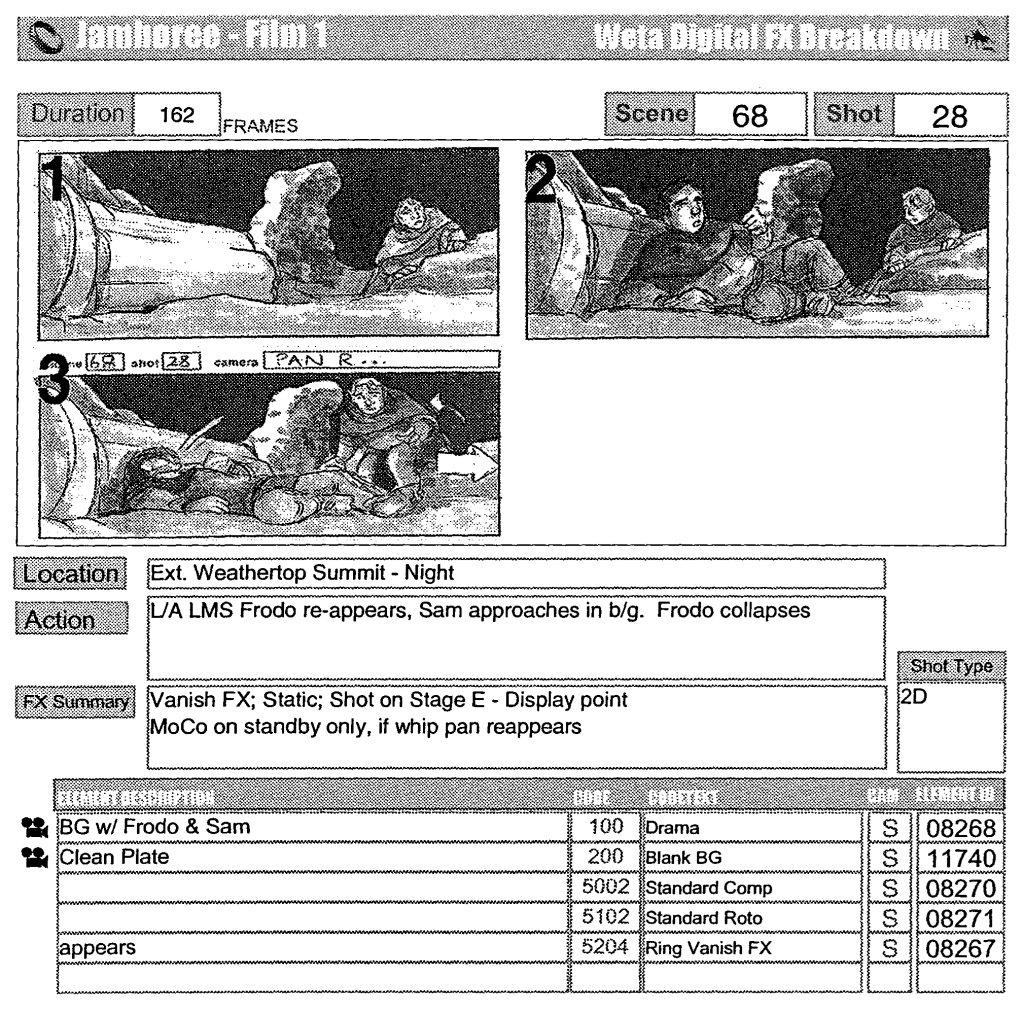
Summary of The Lord of the Rings studios
| Stage/location | Known sets |
|---|---|
| A Stage, Stone Street Studios (built specifically for LOTR trilogy) | – White Council Chamber – Orthanc/Isengard – Other LOTR interiors |
| B & C Stages, Stone Street Studios (existing buildings – no longer used as sound stages) | – Bag End |
| D & E Stages, Camperdown Studios Park Road (demolished) | – Miniatures and VFX |
| F & G Stages, Stone Street Studios – The Hobbit (built specifically for this production) | – Bonfire Glade – Goblin-town – Other The Hobbit interiors |
| K Stage, Stone Street Studios – The Hobbit (built specifically for King Kong) | – Mirkwood Forest – Trollshaws Forest |
| Camperdown Studios (now Wētā Workshop) | – Helm’s Deep – Rivendell |
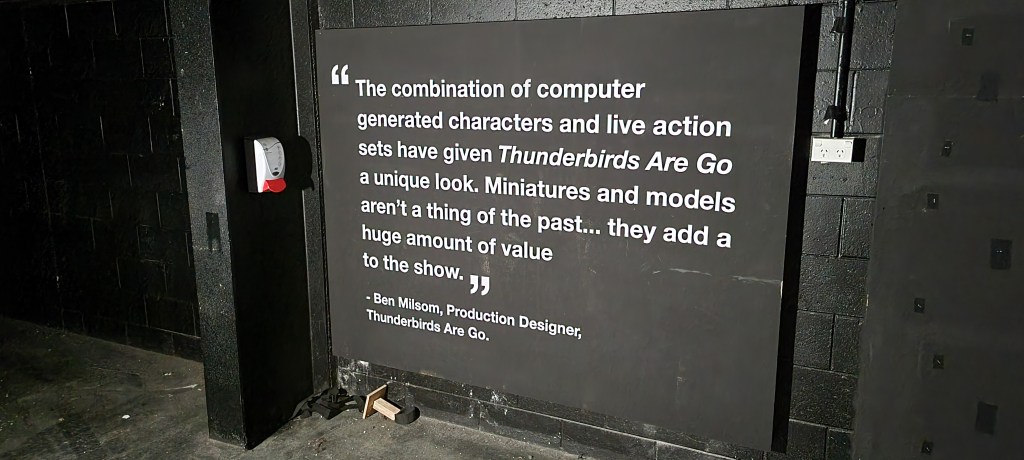
As mentioned, the Camperdown Studios complex at Park Road housed Wētā Workshop warehouses where sets, props and creatures have been created for numerous high-profile productions including The Lord of the Rings, King Kong, Avatar, The Hobbit, and Thunderbirds Are Go. The latter production was filmed at Avalon Studios but found itself back at Camperdown Park Road for the Behind-The-Scenes Experience which was housed in Stage E up until 2021.


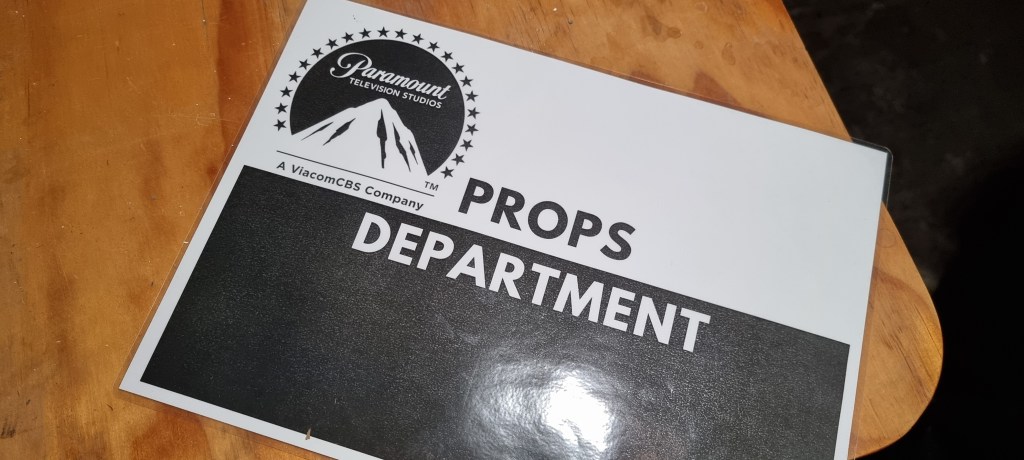
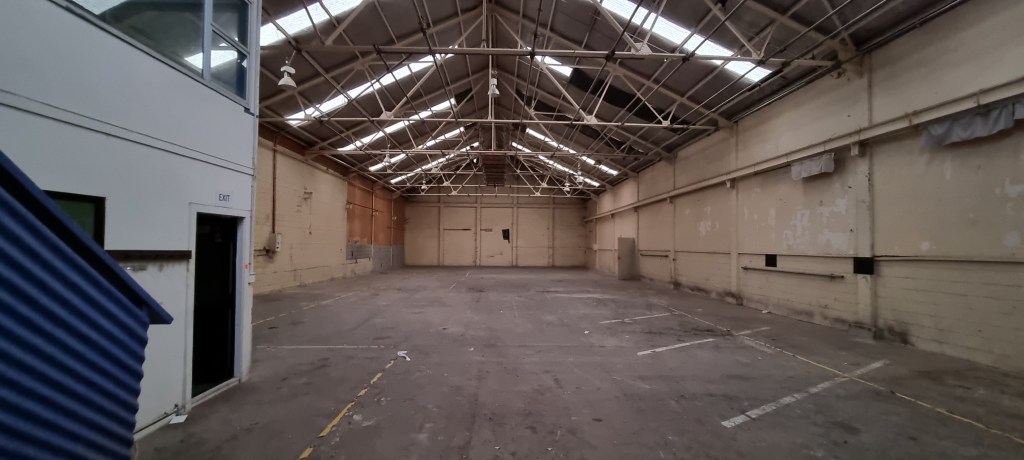
Prior to closure, the construction workshops were used as the props department for Taika Waititi’s TV remake of Terry Gilliam’s 1981 film, Time Bandits. A building at 140A Park Road was also used as an action vehicle garage for the production – seen below in Google Street View.

In May 2023, demolition work commenced on the site, which is still ultimately owned by Sir Peter. Rumours had circulated that it would be redeveloped into Jackson’s long-awaited Movie Museum, however reports suggest that this is now more likely to be built on the corner of Kingsford Smith Street and McGregor Street in Rongotai, if at all.






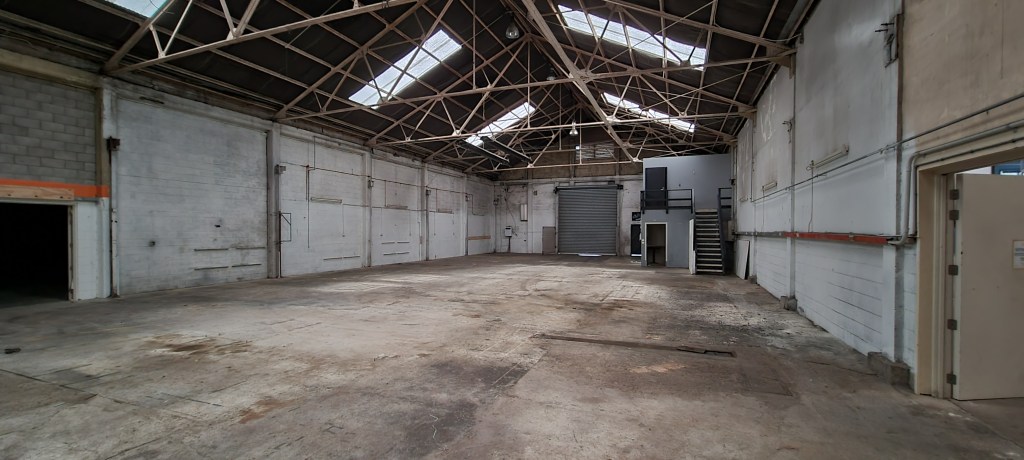

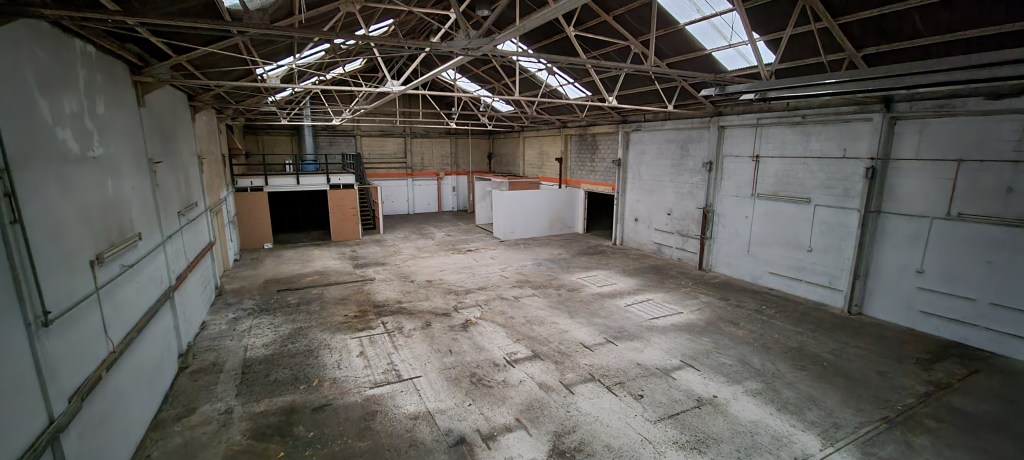
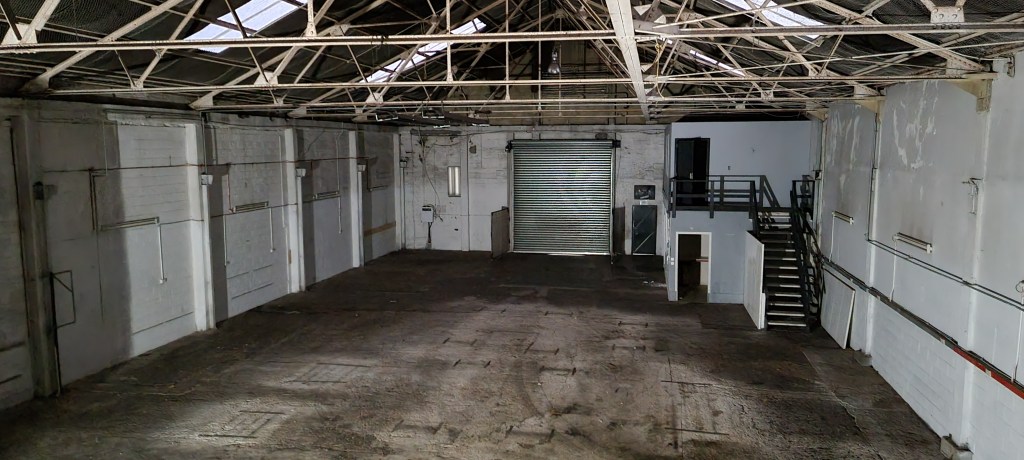














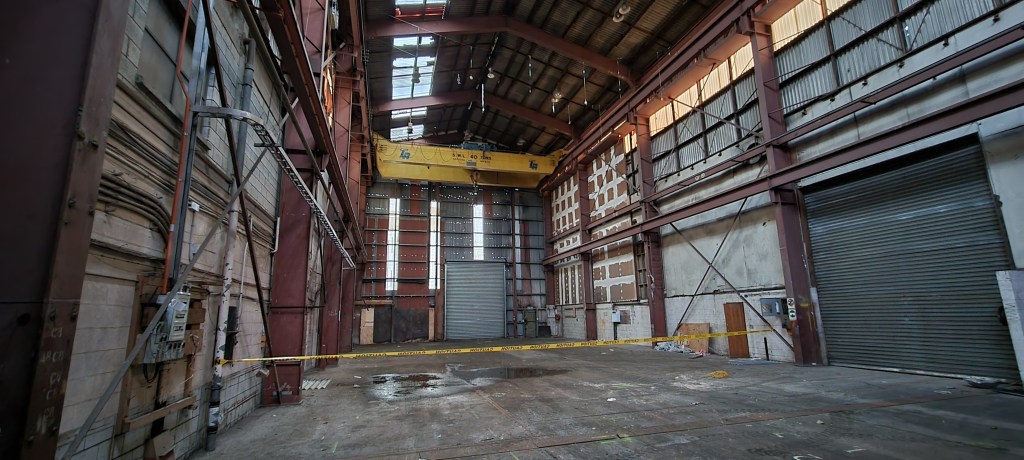



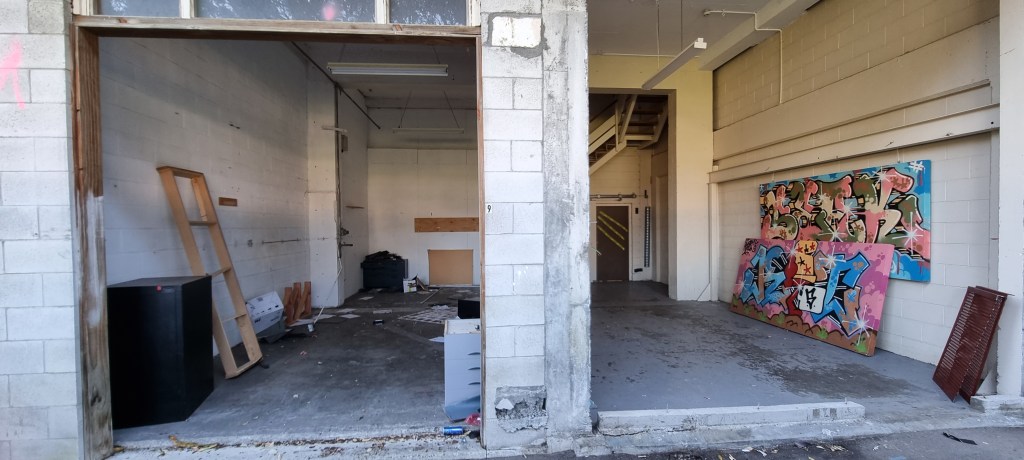

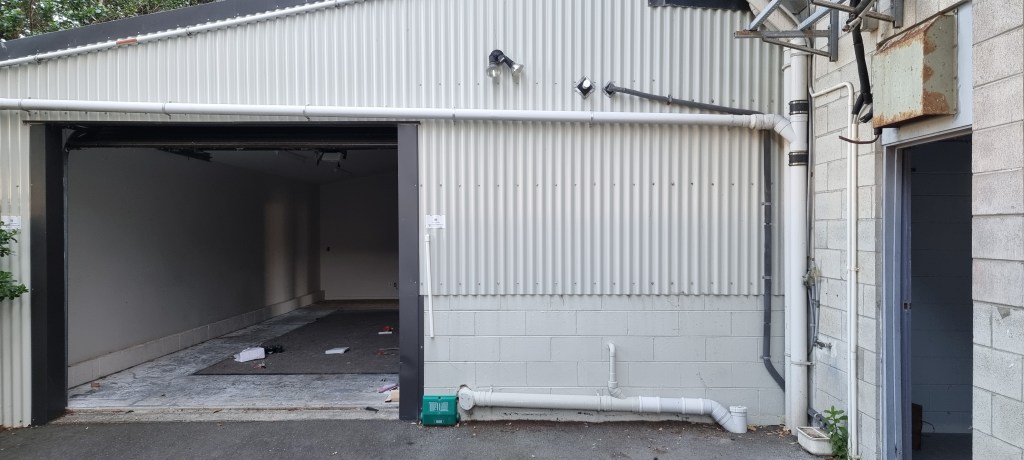
ABC Gordon Street Centre, 8 Gordon Street, Melbourne VIC, Australia
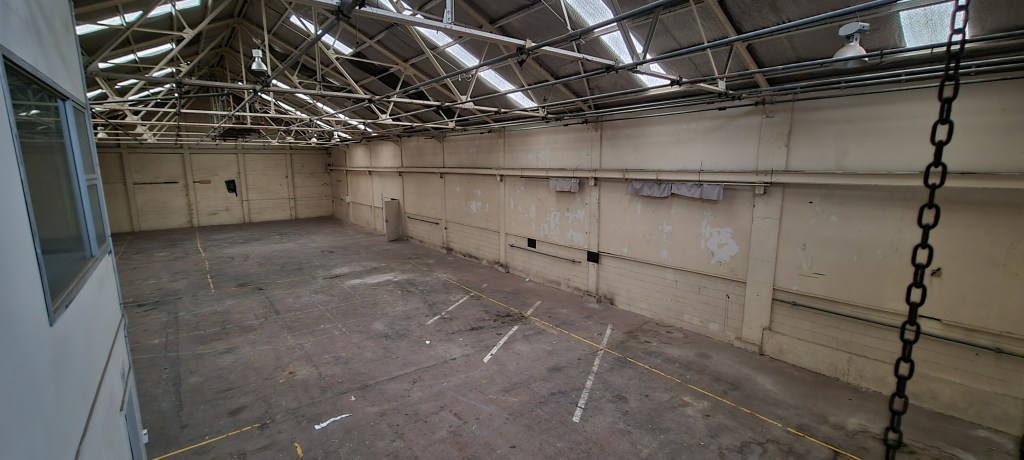
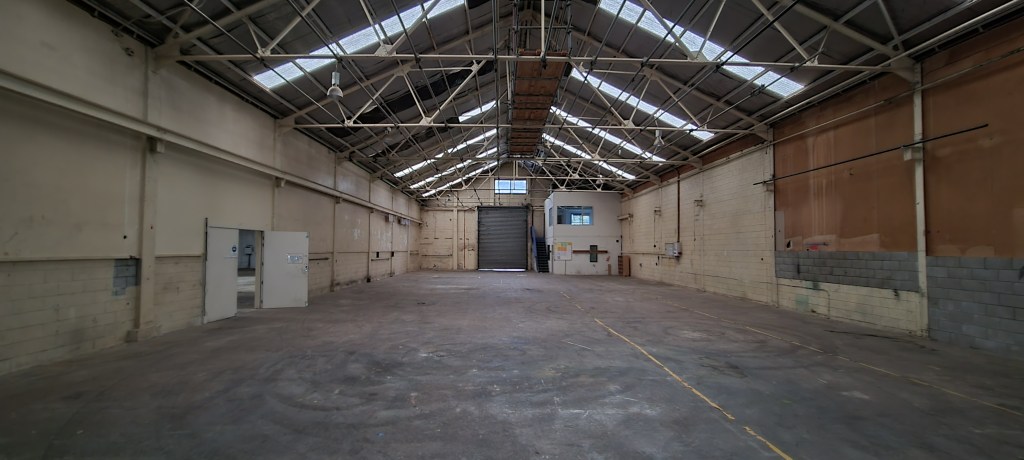
Often referred to as ABC Ripponlea studios, the ABC Gordon Street Centre is actually in Elsternwick, Melbourne, but is located on what was once part of the neighbouring Rippon Lea estate.
In the mid-1950s, the Australian Government (Commonwealth) on behalf of the Australian Broadcasting Commission (now the Australian Broadcasting Corporation – ABC) bought around a hectare of land from the estate owner, Louisa Jones, for £36,000.
However, things turned sour in the years to follow, when the Commonwealth attempted to acquire further land from Mrs Jones who declined on the basis that a previous agreement had been made by her late husband. Following this, Mrs Jones announced her intention to offer the land to the National Trust of Australia (Victoria) and was successful in preventing the Commonwealth’s compulsory acquisition at the High Court in 1963.
Unfortunately, a subsequent hearing in 1964 ruled in favour of the Commonwealth. But Jones and her supporters didn’t give up. They continued to fight until she passed away in 1972, having bequeathed the estate to the National Trust; thus preventing the ABC from being able to acquire it. Of course, there are two sides to every story – the defence can be found here.

Despite this, the ABC were still able to use the land they’d already bought to build studios for channel ABV-2 between 1956 and 1958, with the help of the BBC who provided technical expertise. The complex officially opened on 21 May 1958 and consisted of two large studios – 31 and 32 – and a presentation studio – 33 (later split into 33A and 33B) – along with associated facilities, an outside broadcast garage and plant block, dedicated scenery workshop, and transmission tower.
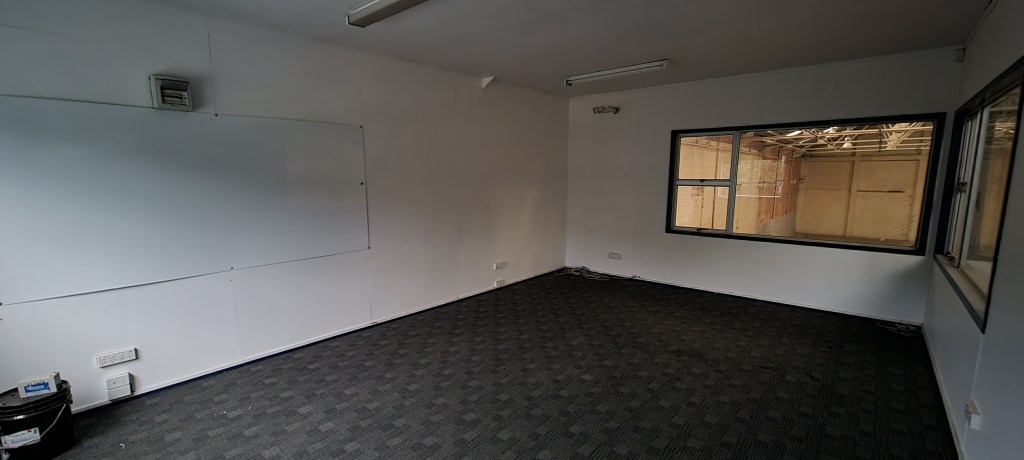
A new three-storey wing was added to the northern end of the main studio building in 1961, along with a four-storey administration block built between 1965 and 1968, and a staff club added separately at some point. In 1974, the studios were upgraded for colour TV and additional soundproofing was added to prevent vibrations from passing trains along the parallel-running Sandringham rail line. In 1979, the building entrance was refurbished for improved accessibility.
The studios were the site of the first public television broadcast in Victoria and became known as the ‘Dream Factory’, producing thousands of hours of programming since. Over the years, the likes of ABBA, Elton John, Tina Turner, AC/DC, Village People and Cyndi Lauper played at the studios and Kath & Kim was even produced there!
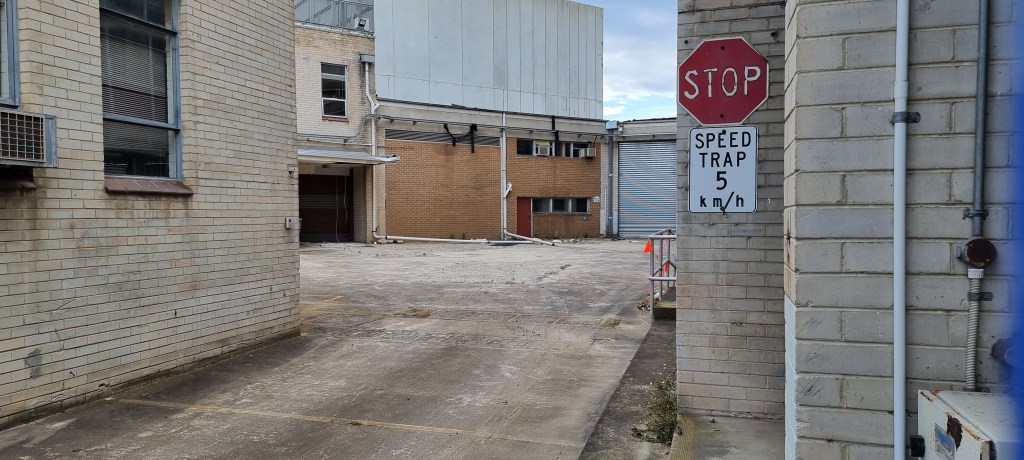
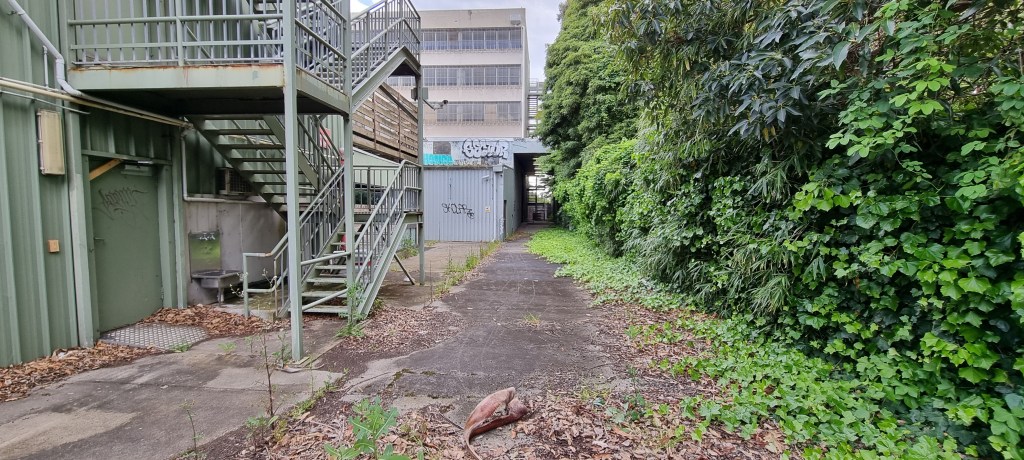
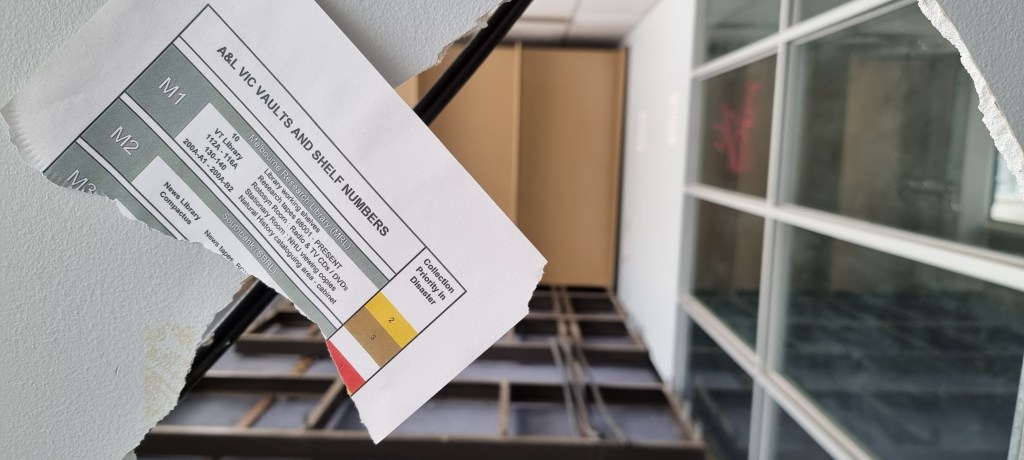
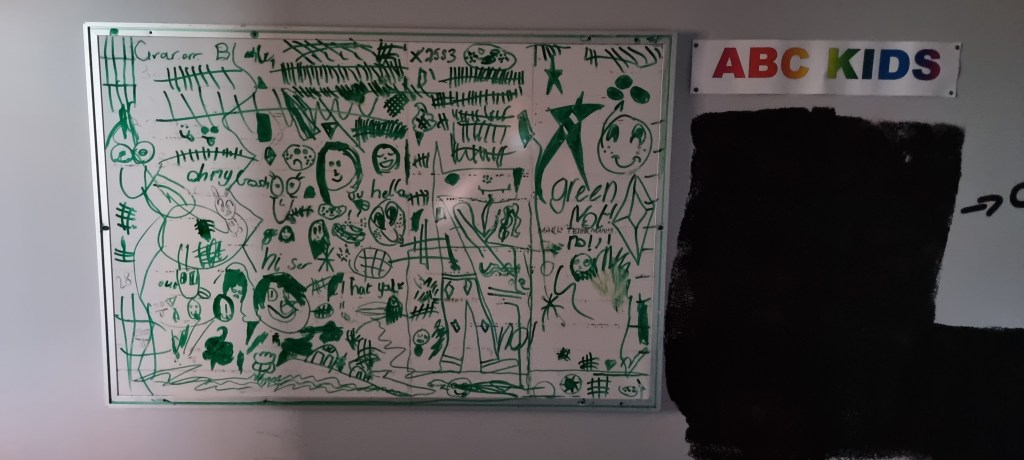
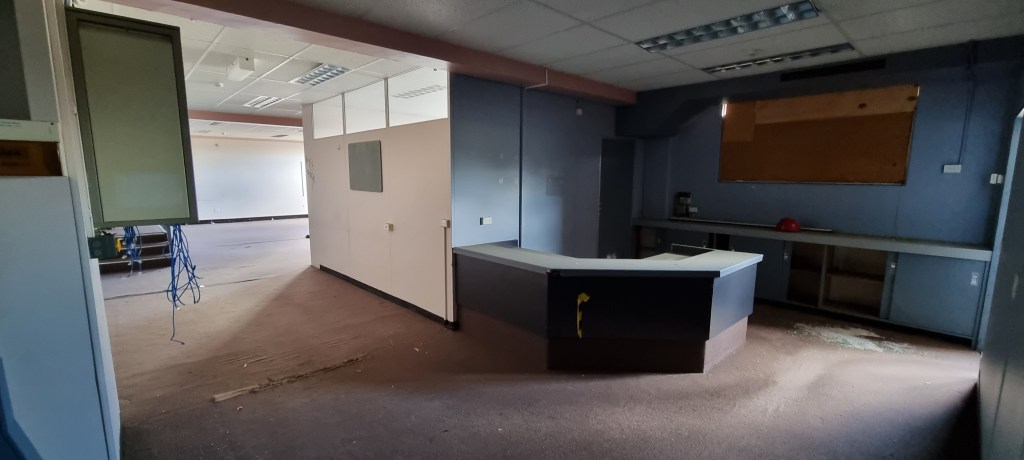
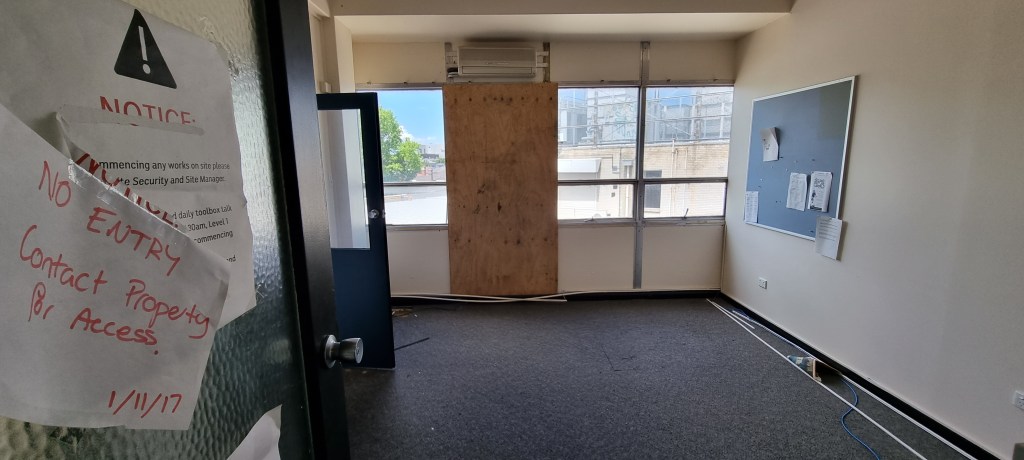
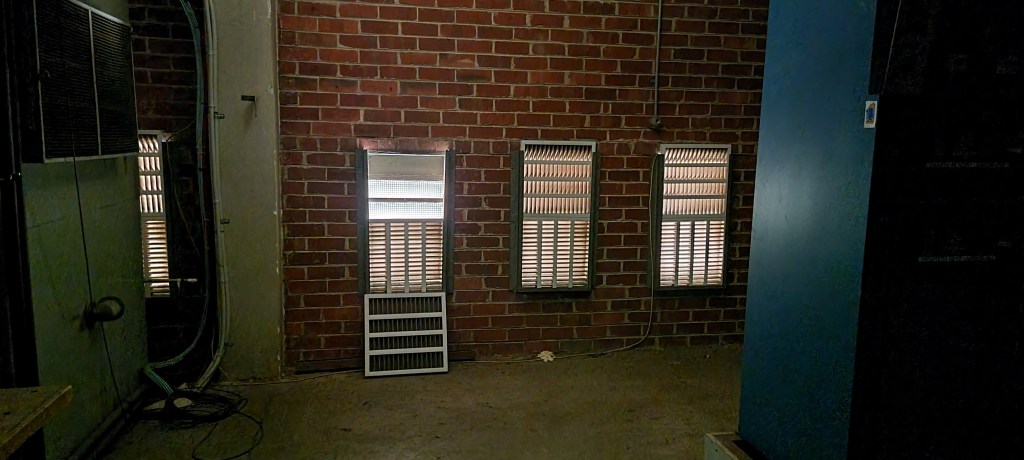
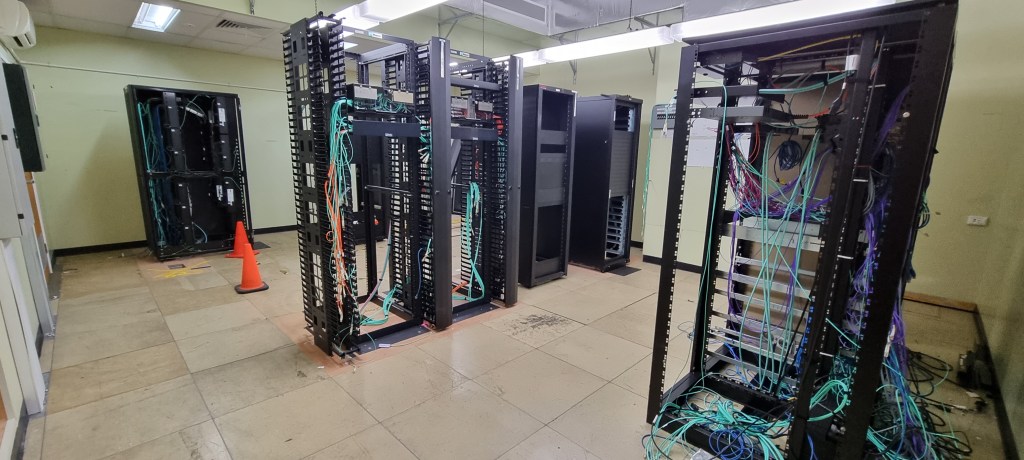
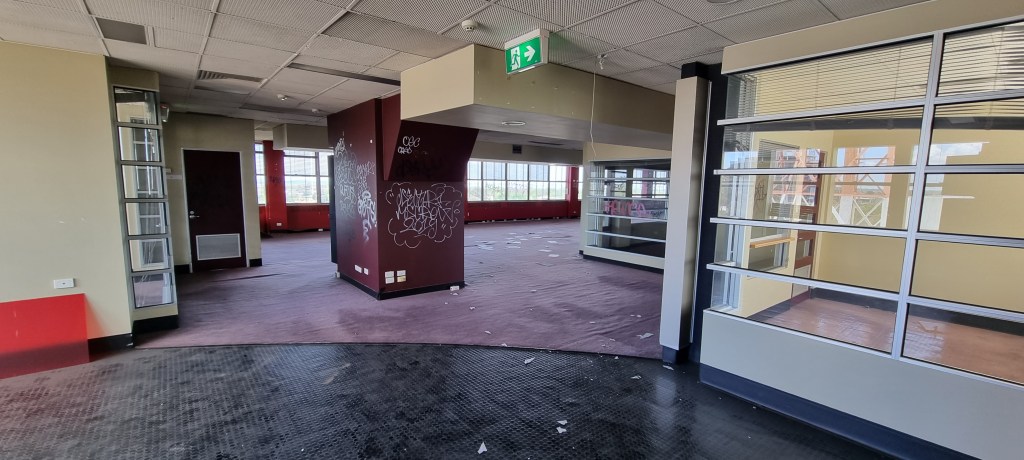
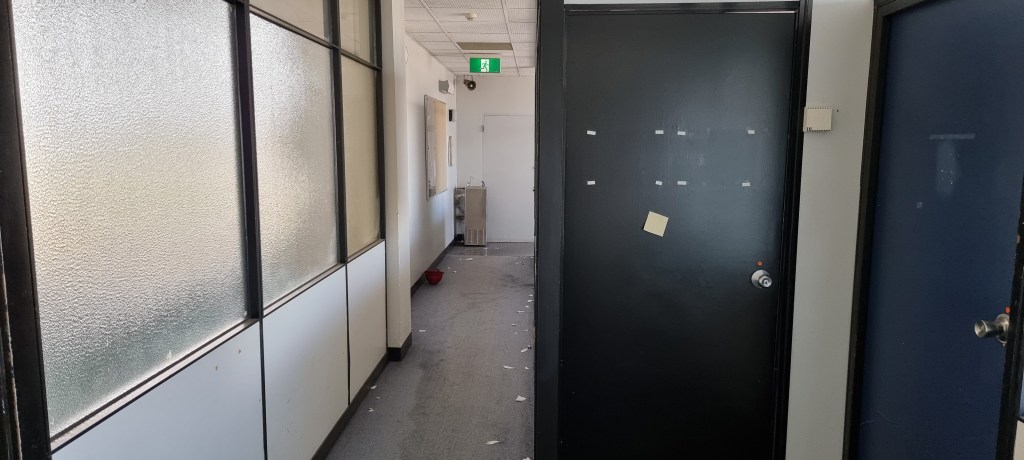
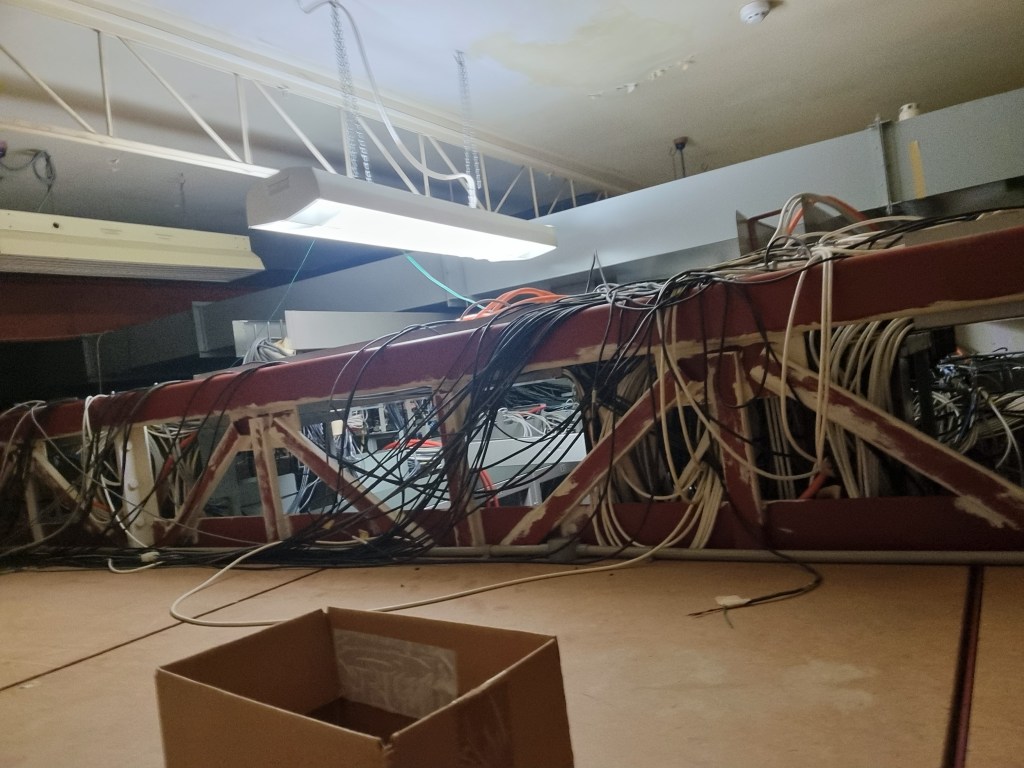
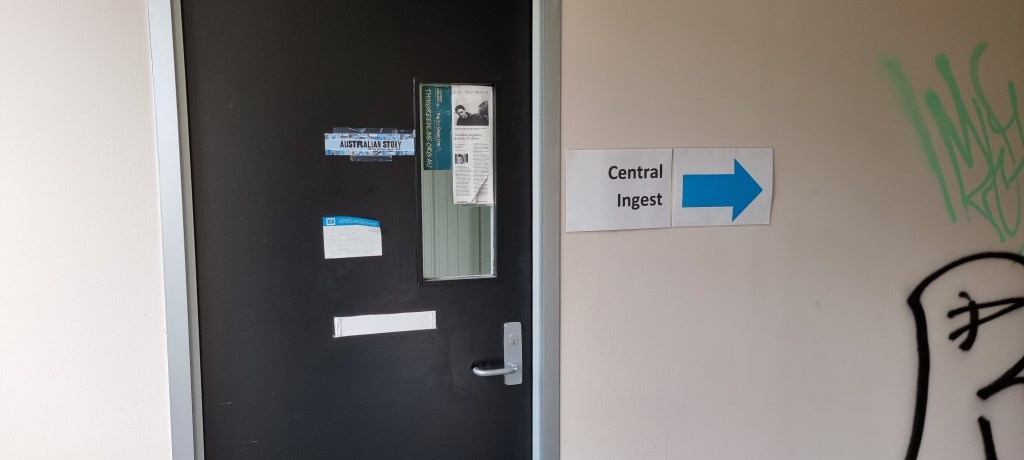
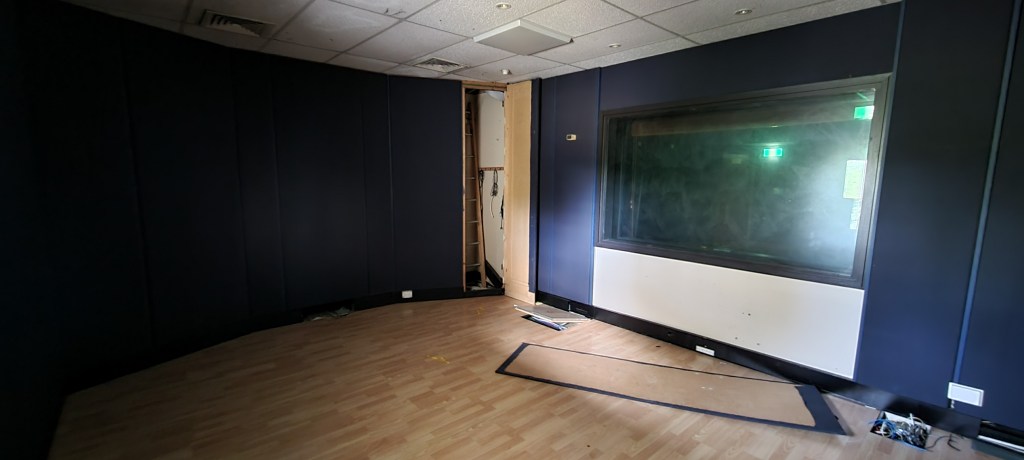
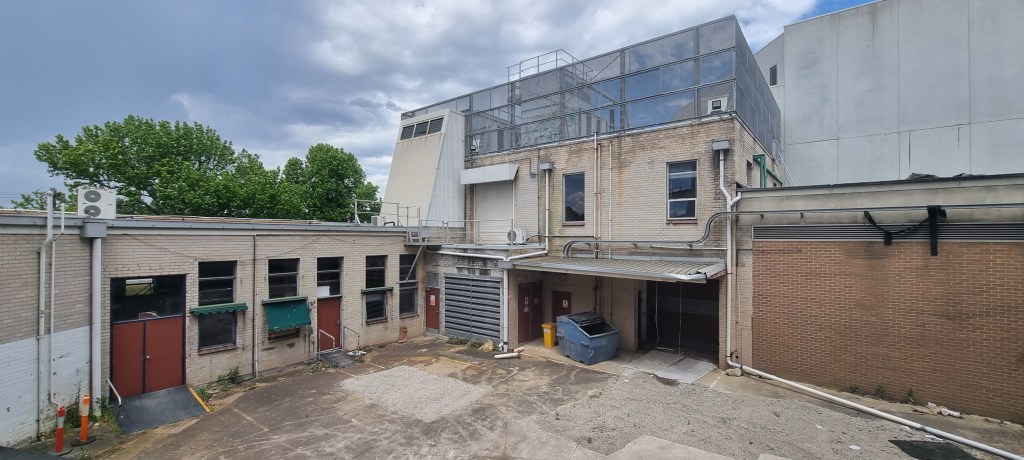
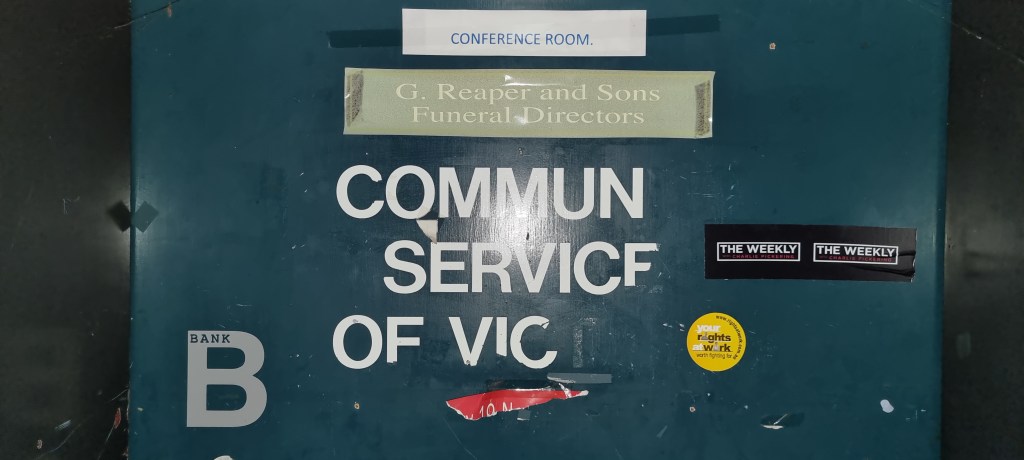
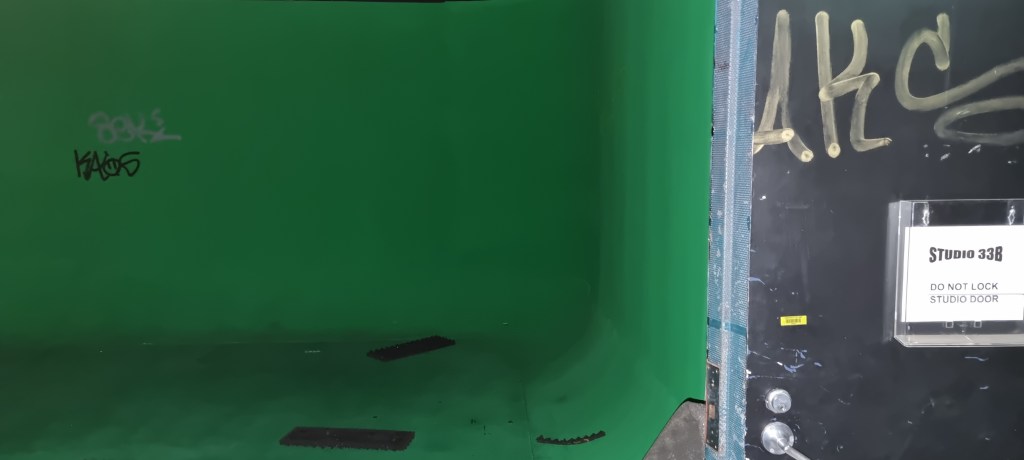
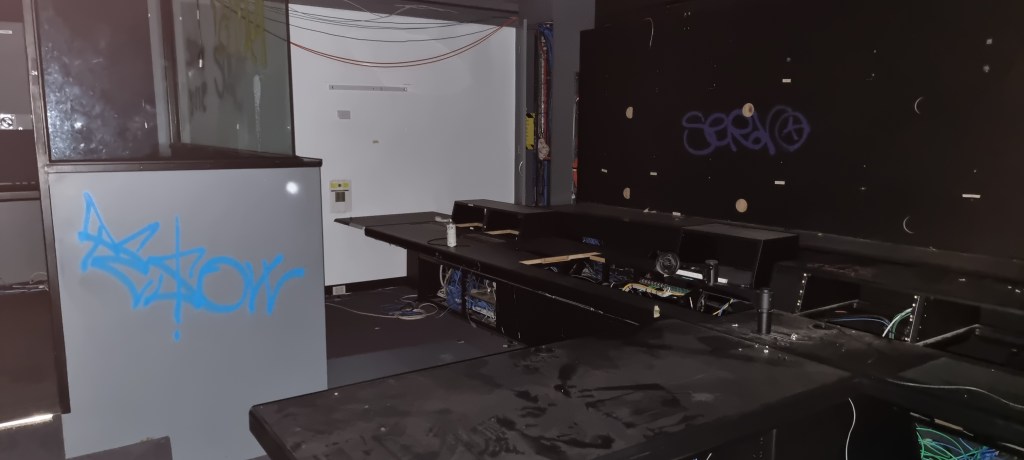
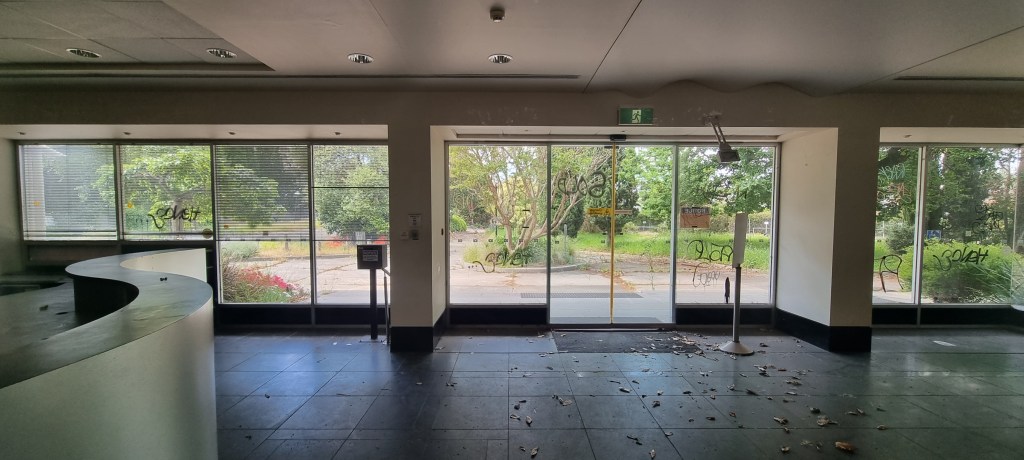
Sadly, due to asbestos contamination, flooding issues (the Rippon Lea lake apparently gets very swampy during heavy rain) and probably just age, operations were moved to the ABC Southbank Centre in 2017 and Gordon Street closed its doors for the final time in November that year. The studio site was demolished in December 2024, with demolition of the nearby ABC Selwyn Street Centre production support site expected to follow.


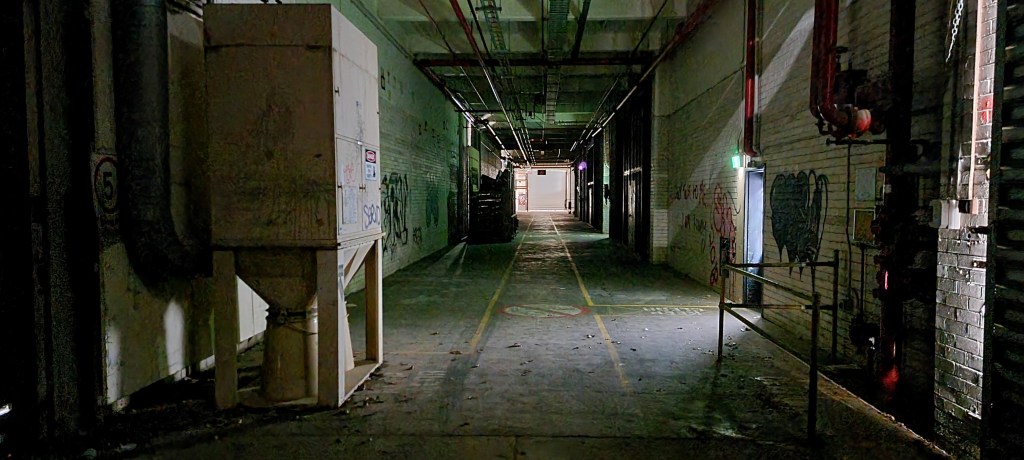
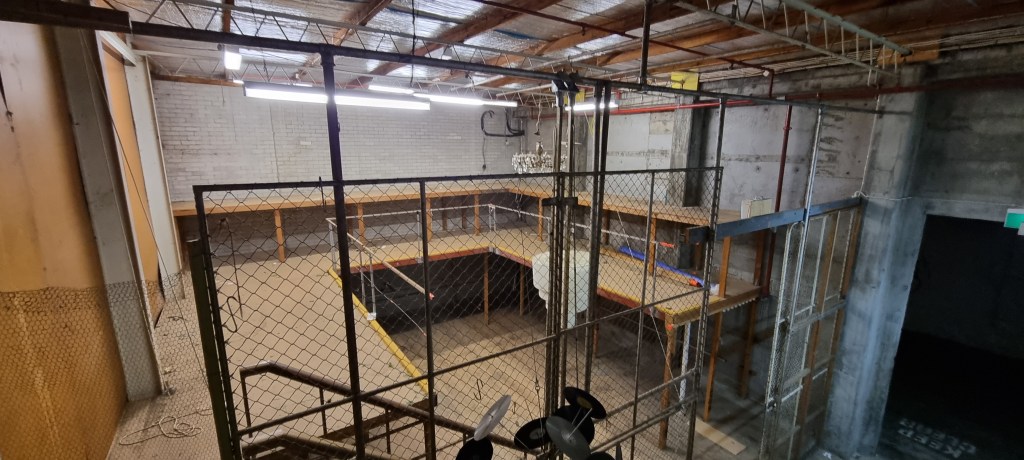
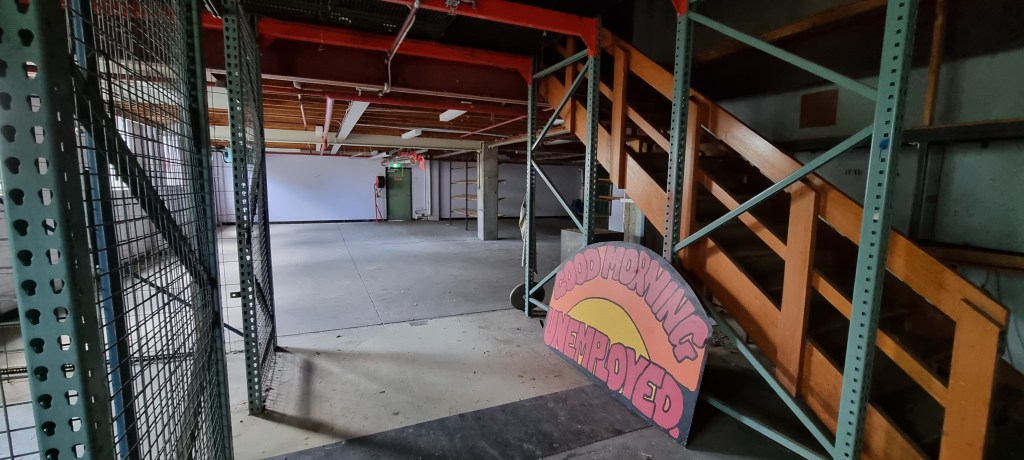
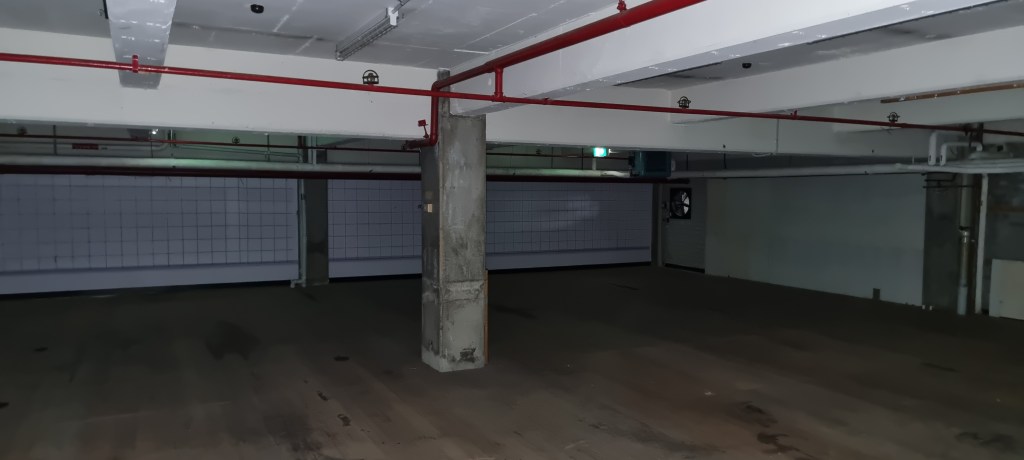
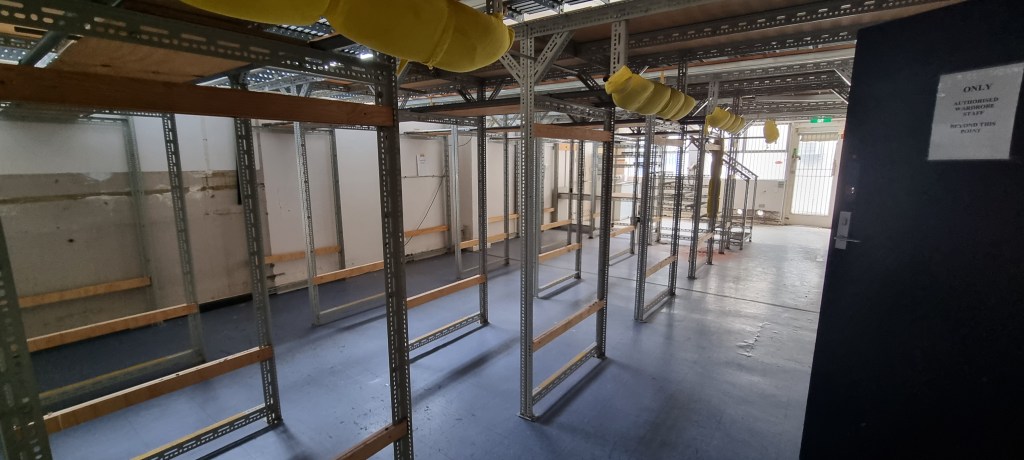
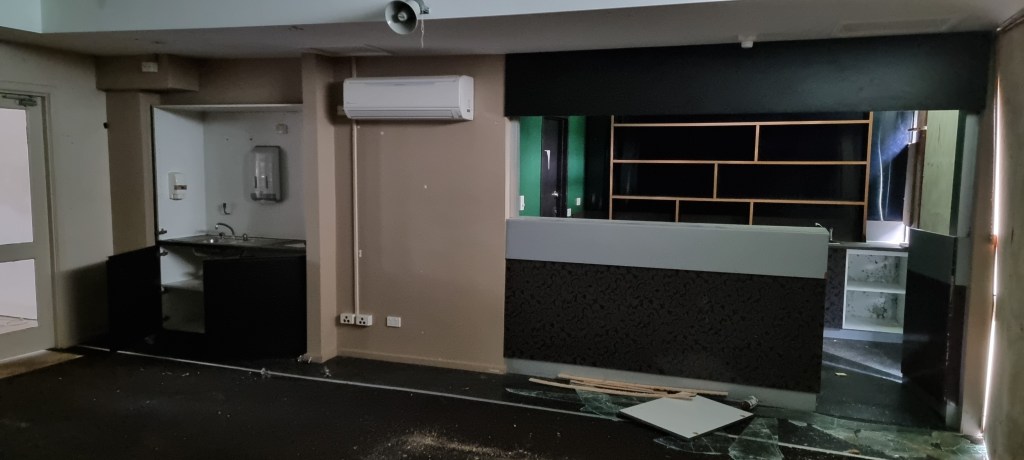
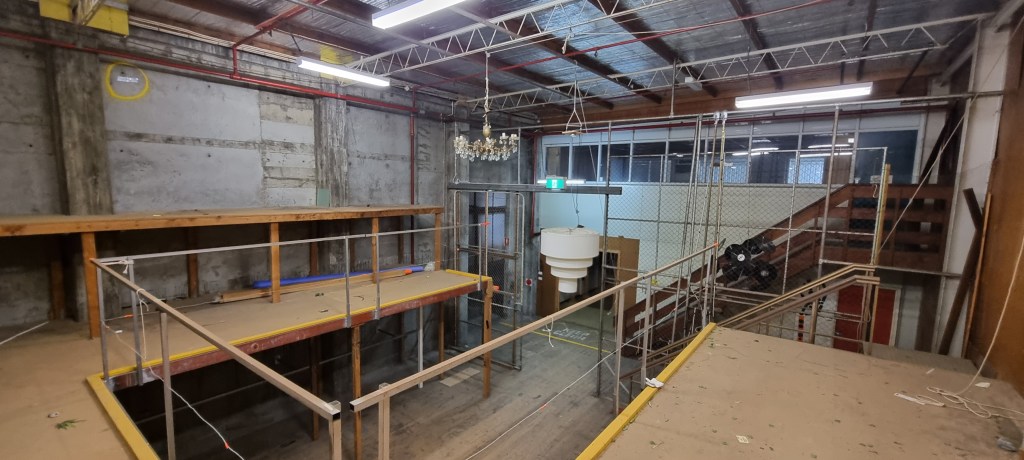
scenery runway

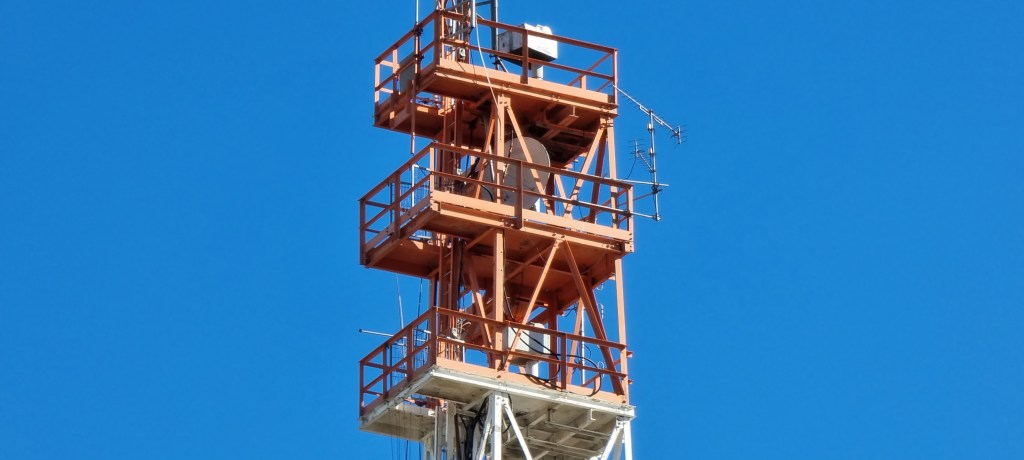
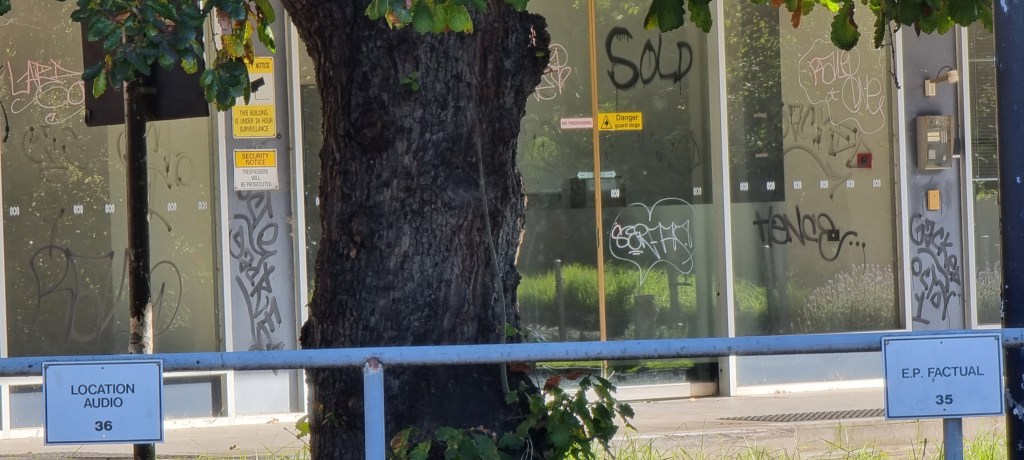































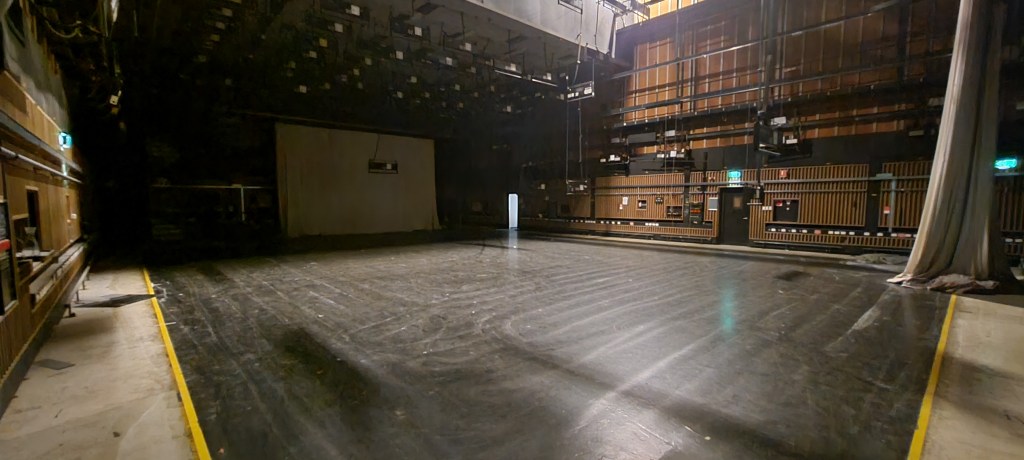


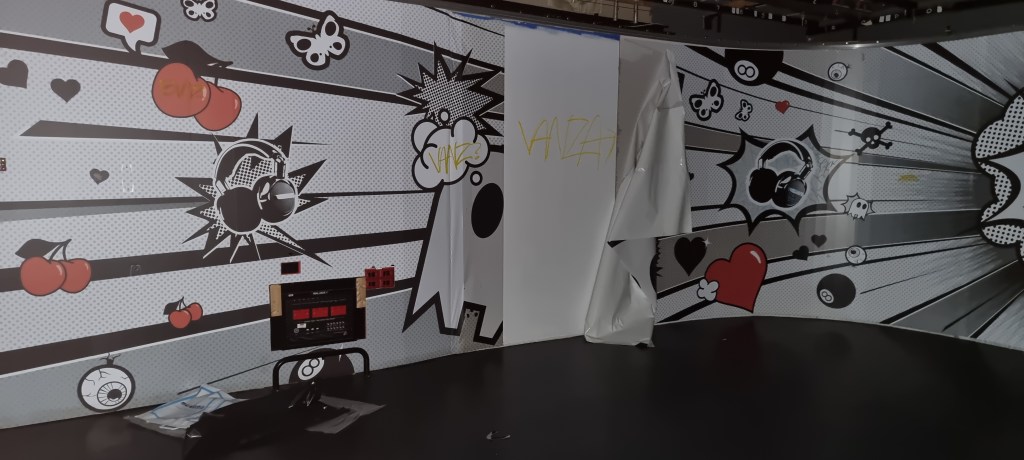
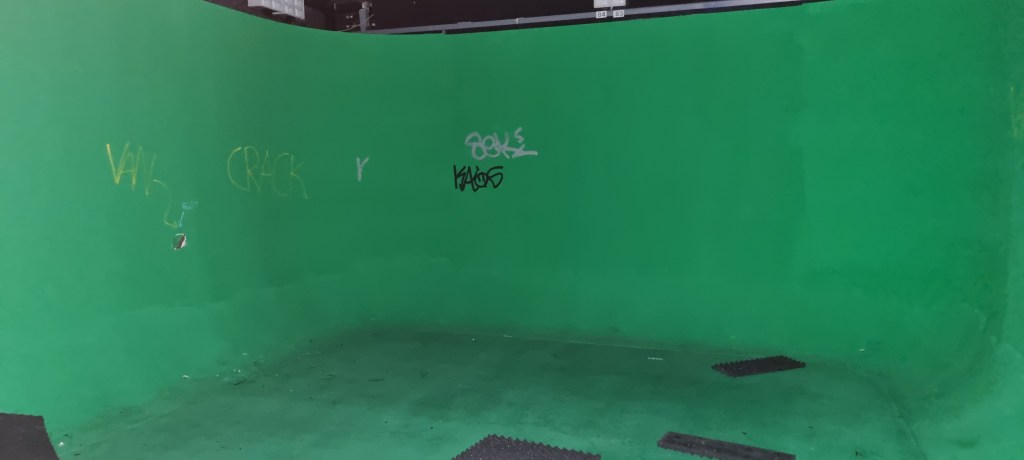
South Pacific Pictures (Shortland Street), Auckland, New Zealand
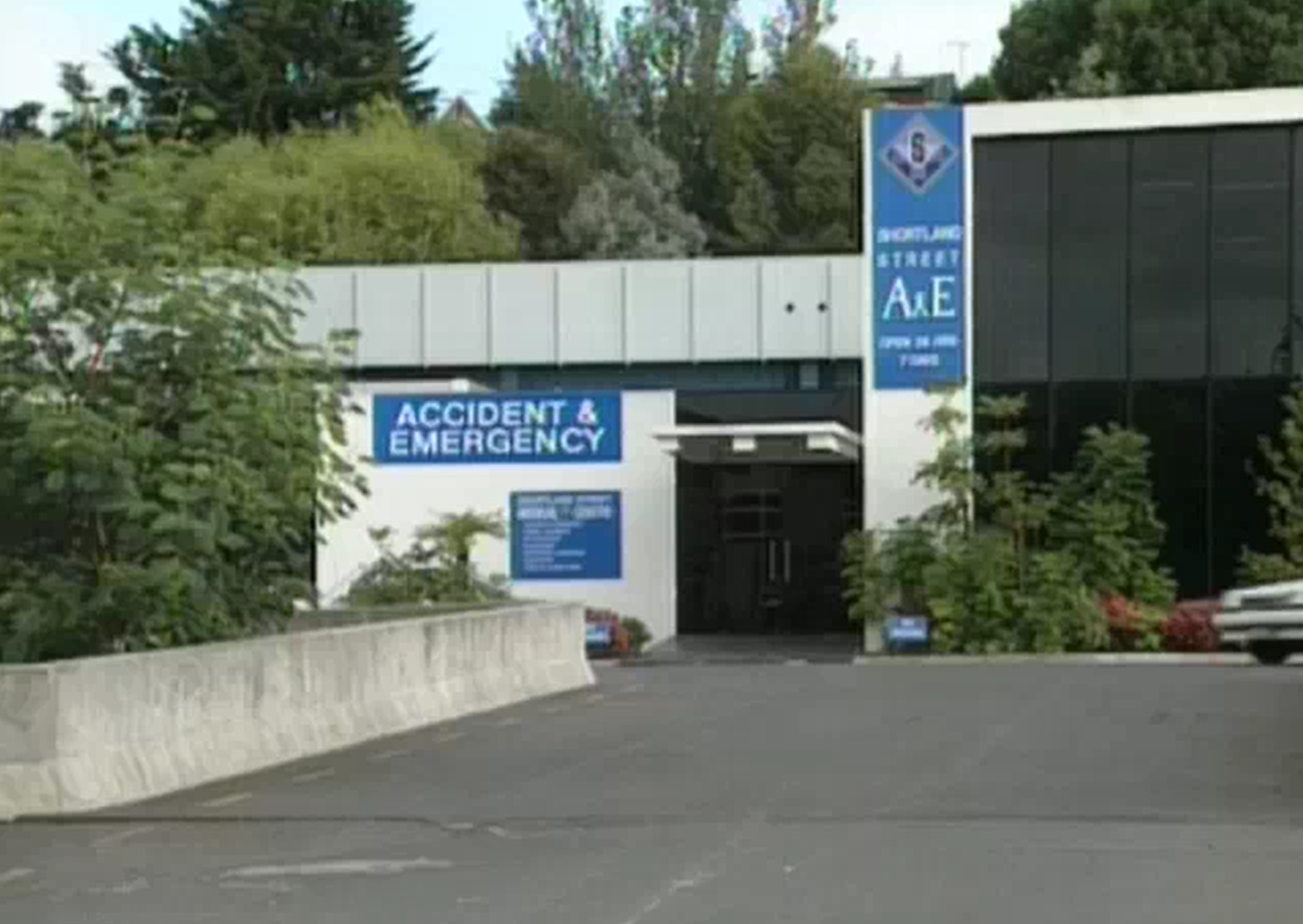
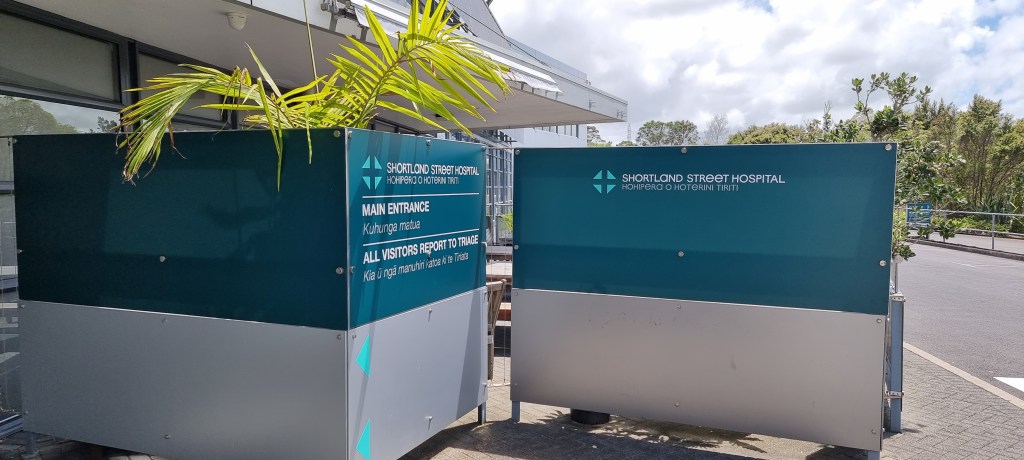
From its inception in 1992 until 1999, Shortland Street was produced at South Pacific Pictures’ Browns Bay studios – a warehouse at 52-56 Anzac Road. A building opposite at 50 Anzac Road was also used for filming the frontage of what was then the ‘Shortland Street Medical Centre’, as well as a building at 745 Beach Road which appears to have been connected to the studio by an overhead wire(s) [1997 Google Earth imagery].
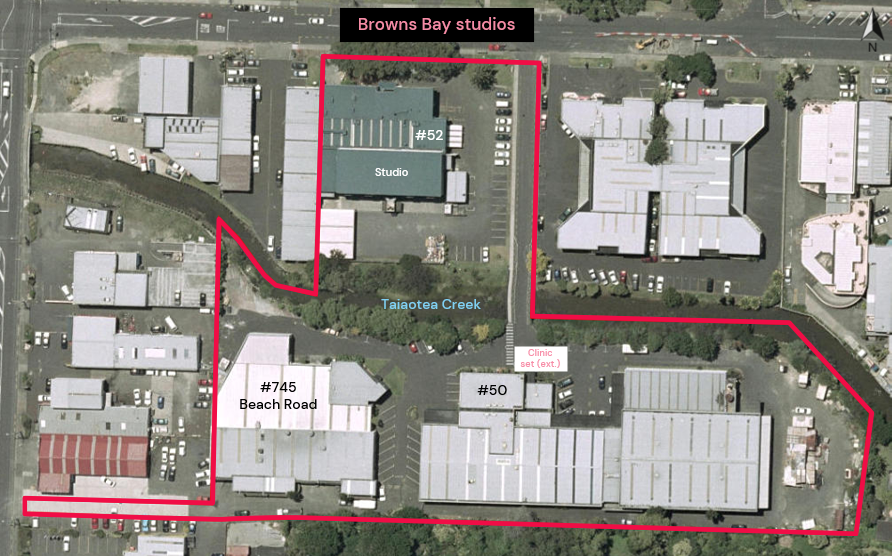
Today, the original studio space is used by the Auckland Full Gospel Church and the former A&E entrance is now a dance school. Slide below for a ‘then and now’ view of the clinic frontage:

The programme’s name comes from its roots in central Auckland, where it was initially planned to be shot at TVNZ’s Shortland Street Studios. However, Browns Bay was instead chosen due to space limitations at the city centre studios.
A new purpose-built studio site was eventually constructed on what was previously agricultural land on the banks of Henderson Creek, shortly after the area was developed for commercial/industrial use in the late 1980s/90s.
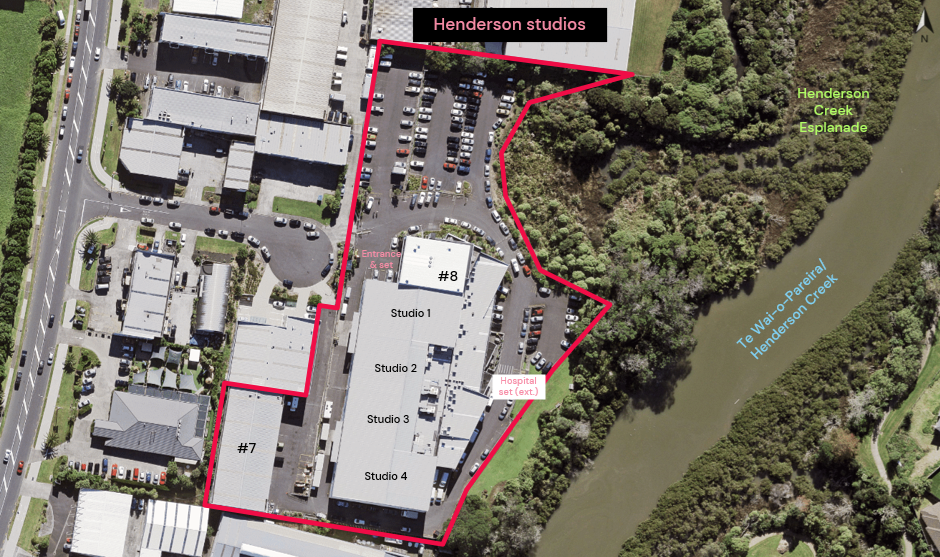
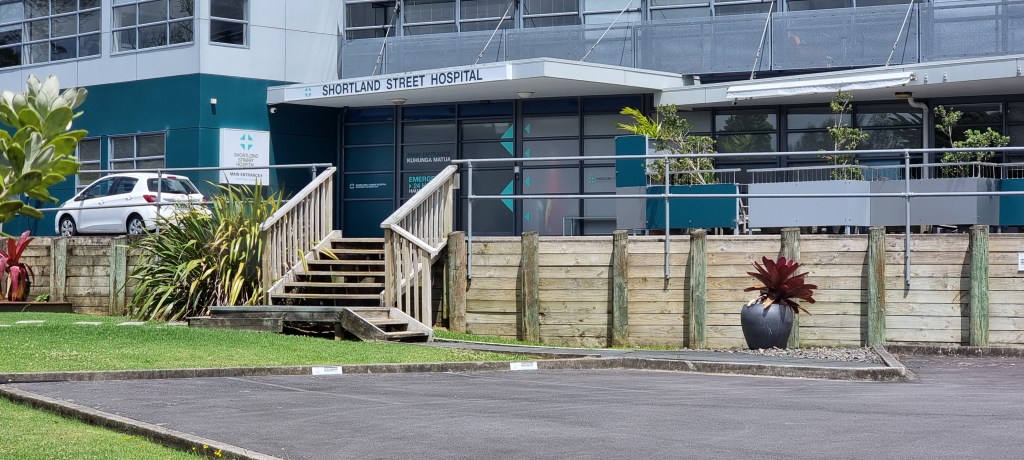
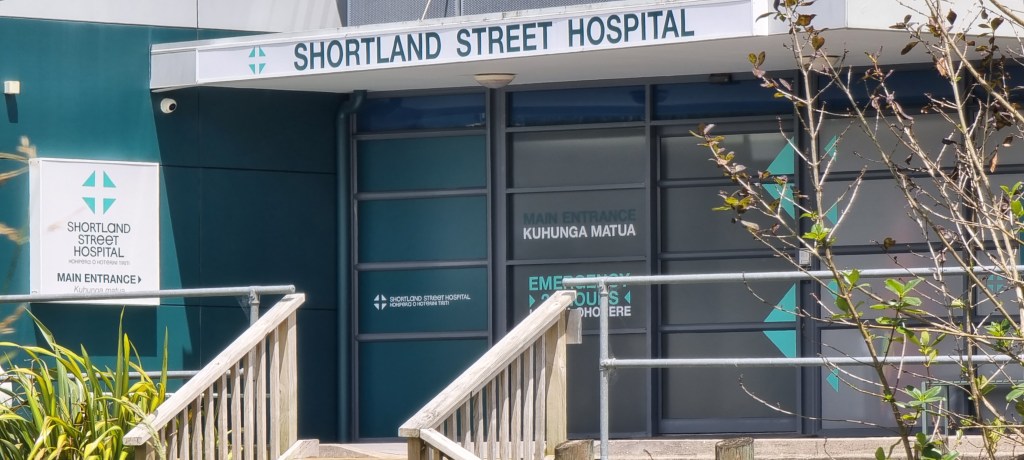
Shortland Street took up its new home at 8 Tolich Place in Henderson at the start of the new millennium, with the South Pacific Pictures studios formally opened by Prime Minister Helen Clark on 30 June 2000. An additional newly-built unit at 7 Tolich Place was added in 2001, presumably as a workshop/set store.
Studios 3 and 4 are used for Shortland Street, while Studios 1 and 2 are used for other productions.


TV3 studios
Auckland studios, 3 Flower Street, Eden Terrace, Auckland, New Zealand
In August 1987, the Tele-Vid Three (TV3) consortium became the winning contender to be awarded four regional warrants for New Zealand’s third television channel and first commercial network.
Initially, the Auckland execs of TV3 worked out of 1 Burton Street in Grafton while a nearby industrial building (c.1958; extended 1977) at 3 Flower Street in Eden Terrace underwent renovations. This involved a full conversion of the building from a dairy factory producing cheese and butter into a modern broadcasting complex. The work was completed by November 1989.

Known as the TV3 building(s) or TV3 studios, the site also includes a single-storey staff lunchroom building, standalone car parking building (c.1967) at 2 Flower Street, and part-tenanted buildings between 44 and 52 (even) New North Road. A small additional staff parking garage is also leased at 22-24 New North Road, which is accessed off Flower Street.
3 Flower Street’s double-height ‘basement’ houses the TV3 (now Three) studios 1 & 2, which accommodated the Newshub and AM sets in recent years. Studio 1 is the main studio used for news broadcasts, while Studio 2 is smaller in size and was originally used for sports programming and local productions.

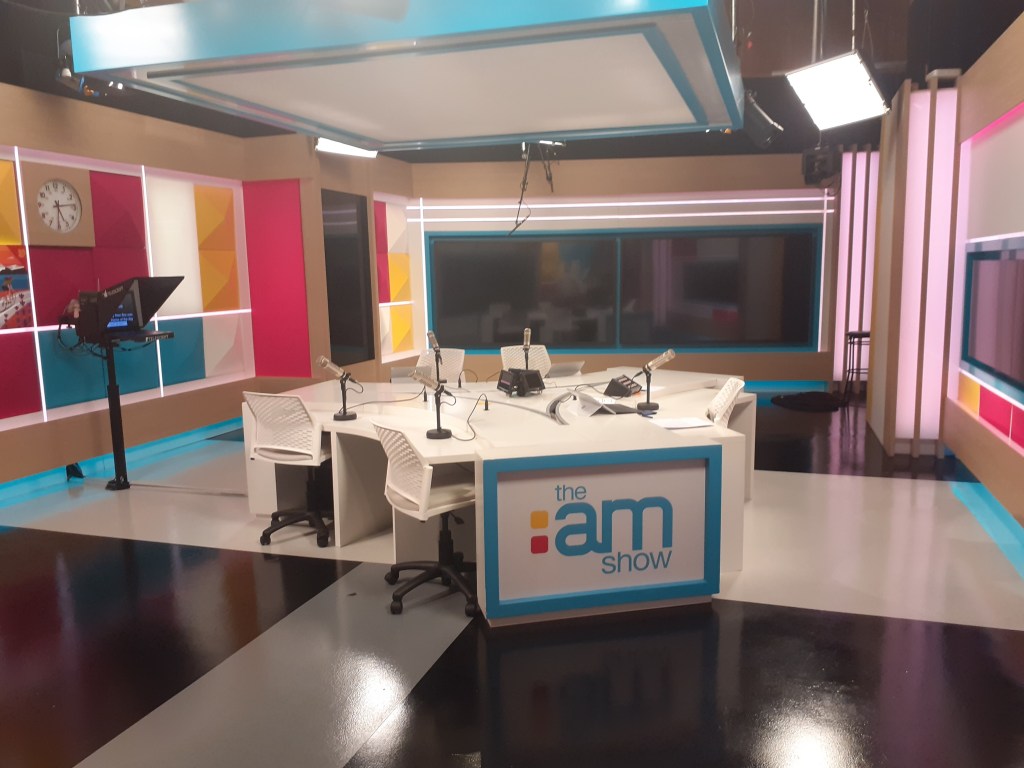


There was also a third studio, Studio 3, on this floor – and a fourth, Studio 4, on level 4 which was used for TV4 (later, Four). However, studios 3 & 4 were subsequently converted into other spaces. A fifth studio, Studio 5, also exists off-site at 71 Boston Road in Grafton. This was used for The Project and Paddy Gower Has Issues and is now leased by Stuff to produce ThreeNews (Newshub’s successor) for Three.

An additional, unnumbered studio at 8 Lion Place in Epsom was also used for filming Jono and Ben following a stint at Flower Street, however this studio was converted back into warehouse space following the programme’s final broadcast in 2018.


In July 2024, news production was completely outsourced (to Stuff – see above), as well as in-house programme making which had already ceased. Playout operations for Three were also relocated to London at the same time.

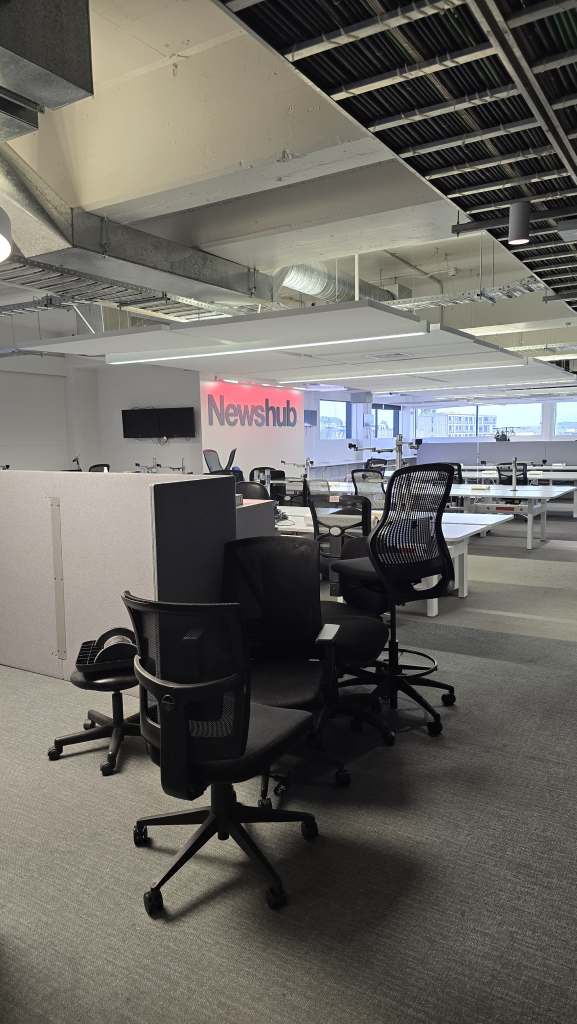
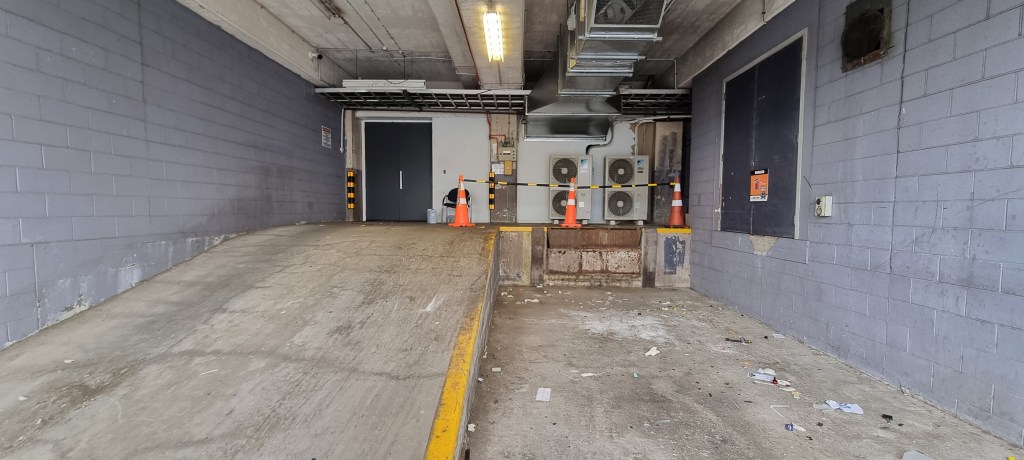
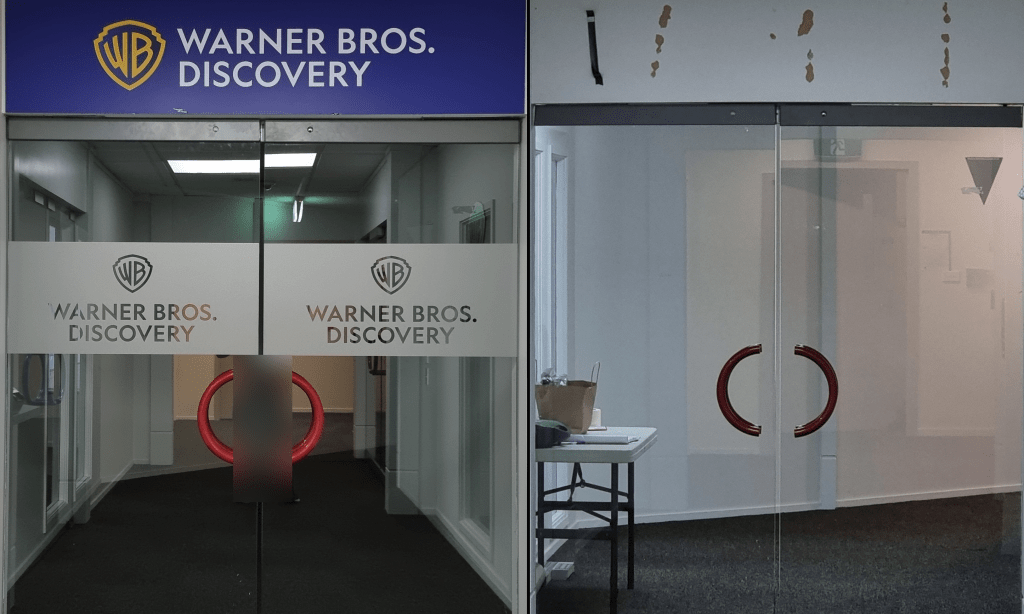
Before moving to Boston Road, Stuff temporarily used the Flower Street studios for ThreeNews and The F#$%ing News until early November 2024. The studios remained vacant since, and Warner Bros. Discovery New Zealand completed their move out of Flower Street by 8 August 2025.













Wellington studio, 15 Walter Street, Te Aro, Wellington, New Zealand
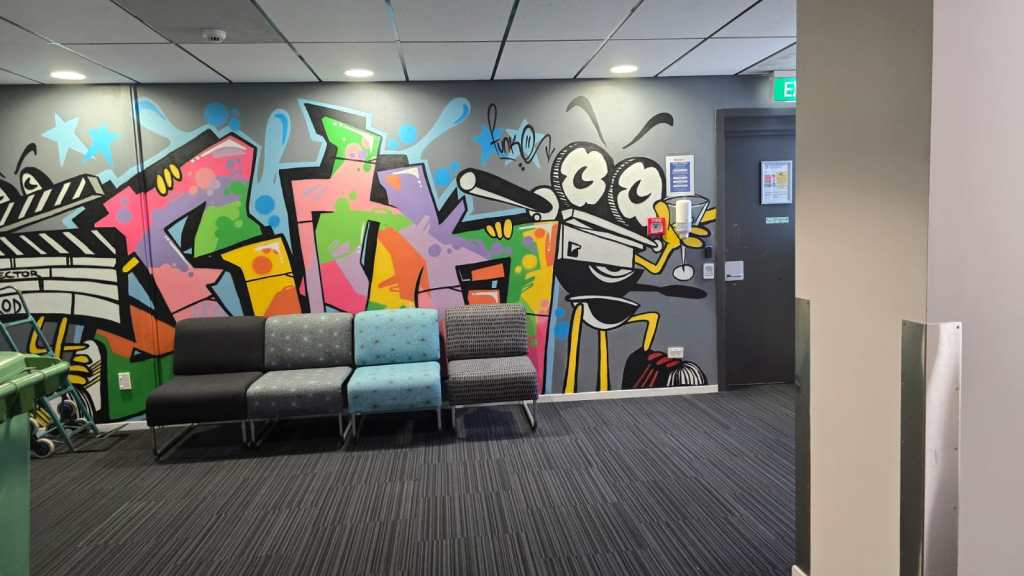
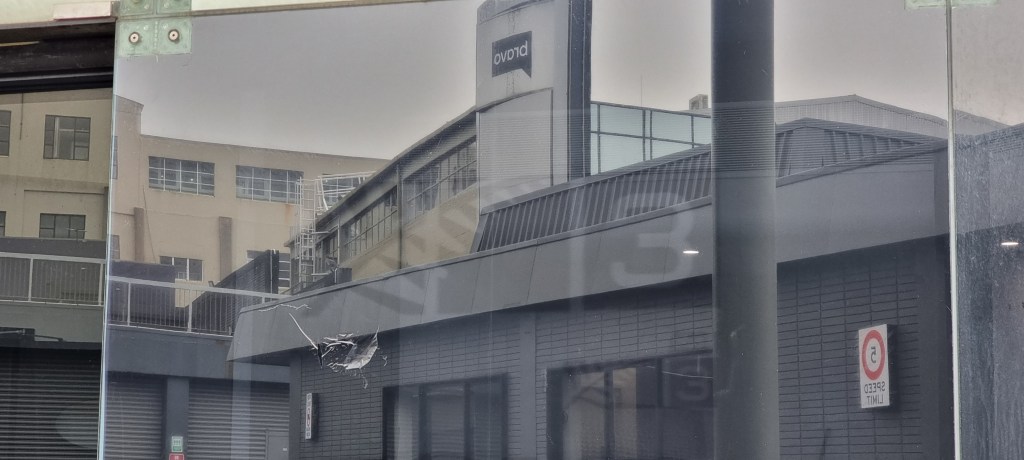
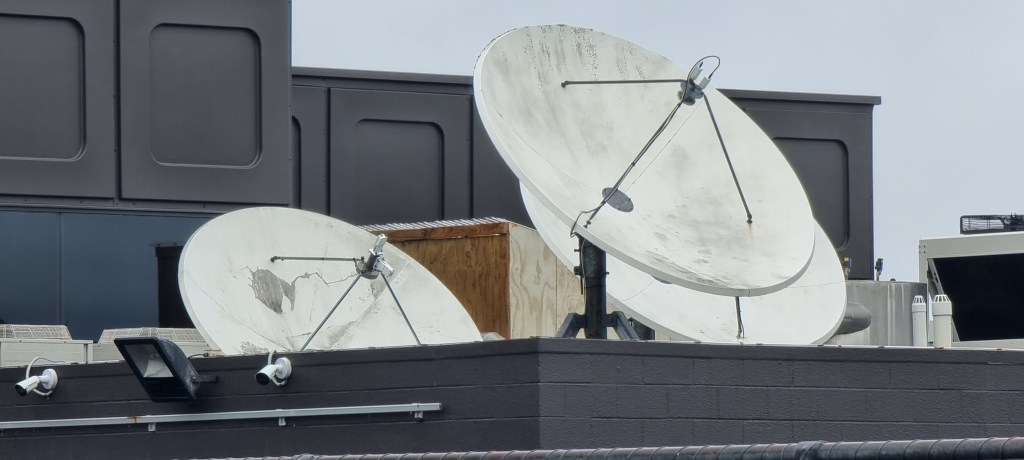
TV3 also launched a number of regional offices during its conception – including one in Wellington. A dedicated building housing 150 staff on Ngauranga Gorge Road was originally envisaged, but this was scrapped in favour of a recently-built shared office building, ‘Building C’ at 72-74 Abel Smith Street (later known as CommArts House, 15 Walter Street). However, this saw just 30 staff occupying level 3 of the three-storey building.

Click the above plan to see what changed between then and 2024. Mixed-media company MediaWorks acquired TV3 in 2004, which resulted in the adjacent tenancy originally intended for TV production being made into radio studios. Part of the original TV3 premises was also converted into radio studios, although these became redundant following another sale (more on this later).
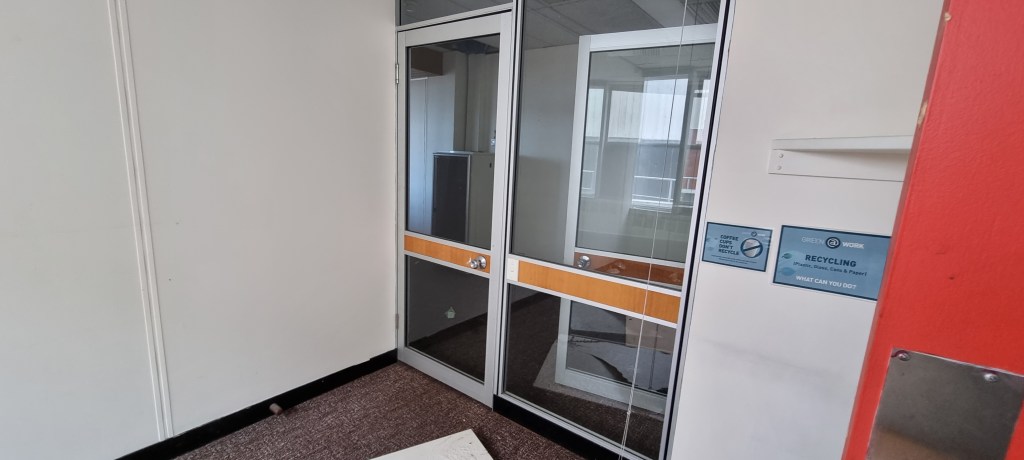
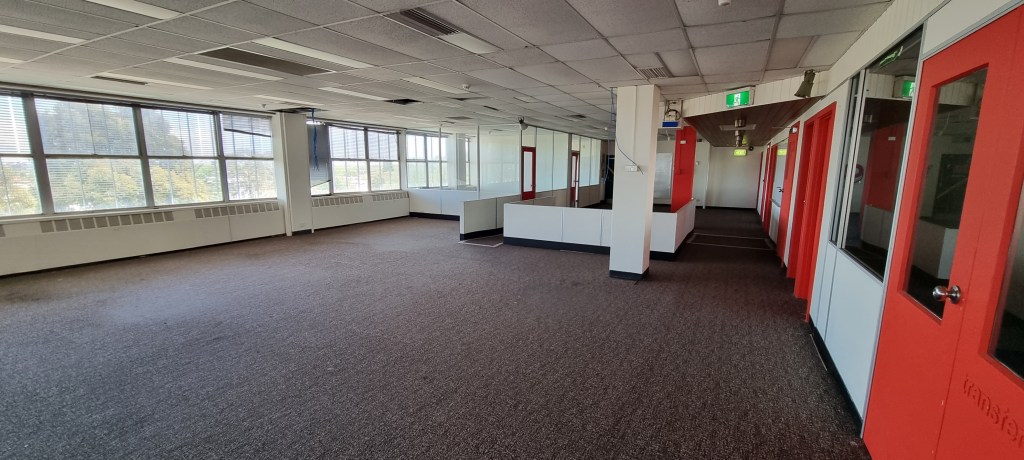
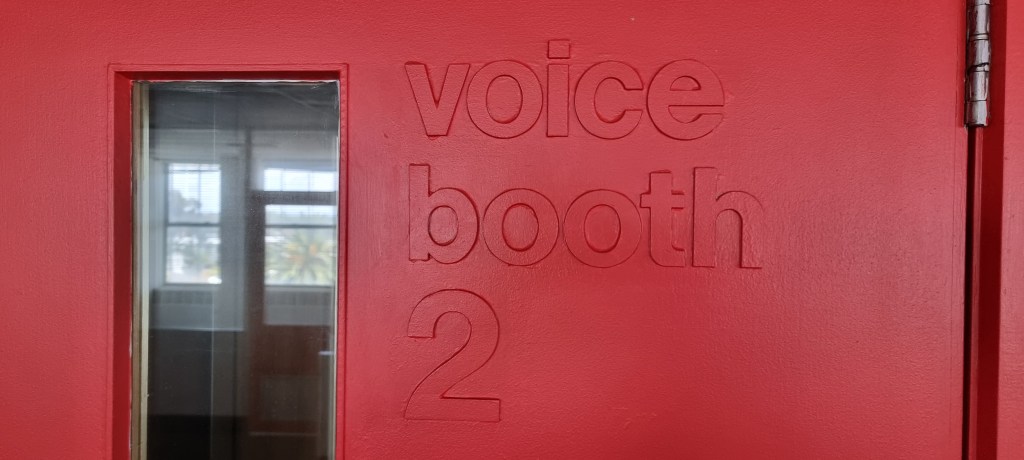
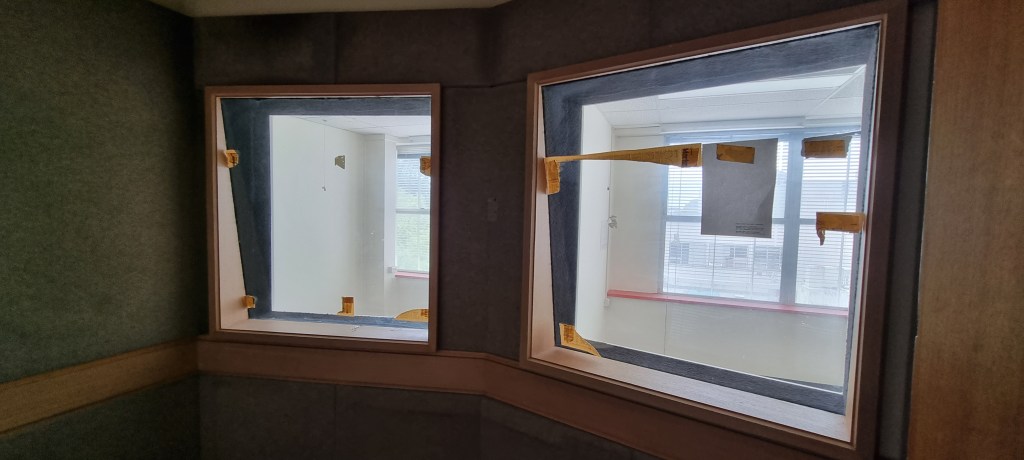
Despite original plans for large regional headquarters having been stripped back, Building C was to include a full-size TV studio and voiceover (VO) booth for production of the national news (produced by TV3 News Limited, which was owned by each of the four now-defunct TV3 region companies).


While the news ended up being produced in Auckland, the TV and VO studios were still used from November 1989 onwards. Current affairs programming such as 60 Minutes and A Current Affair were broadcast from the Wellington TV studio, as well as segments and interviews for the national news. A larger studio at roughly double the size was also planned but never added.

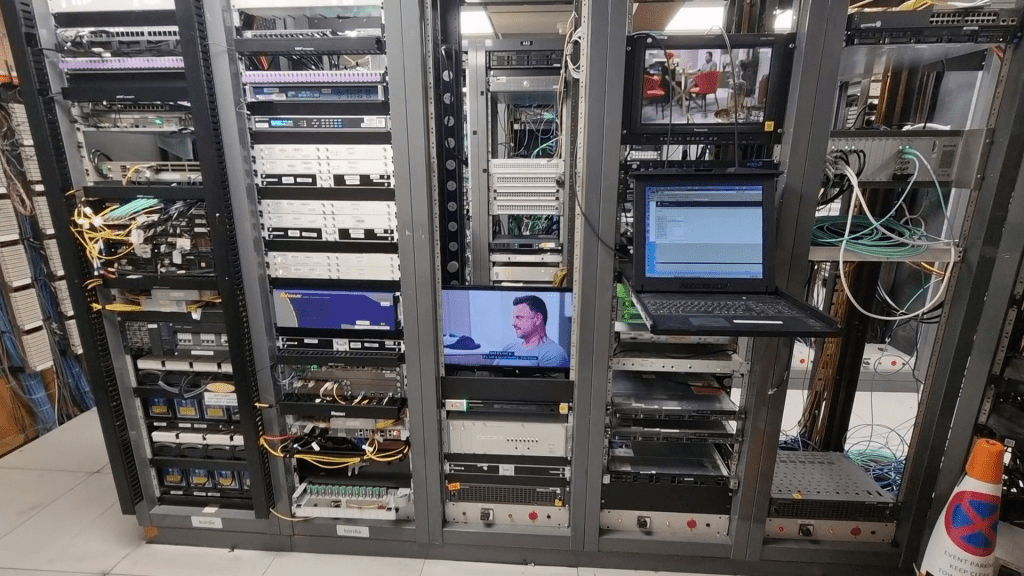
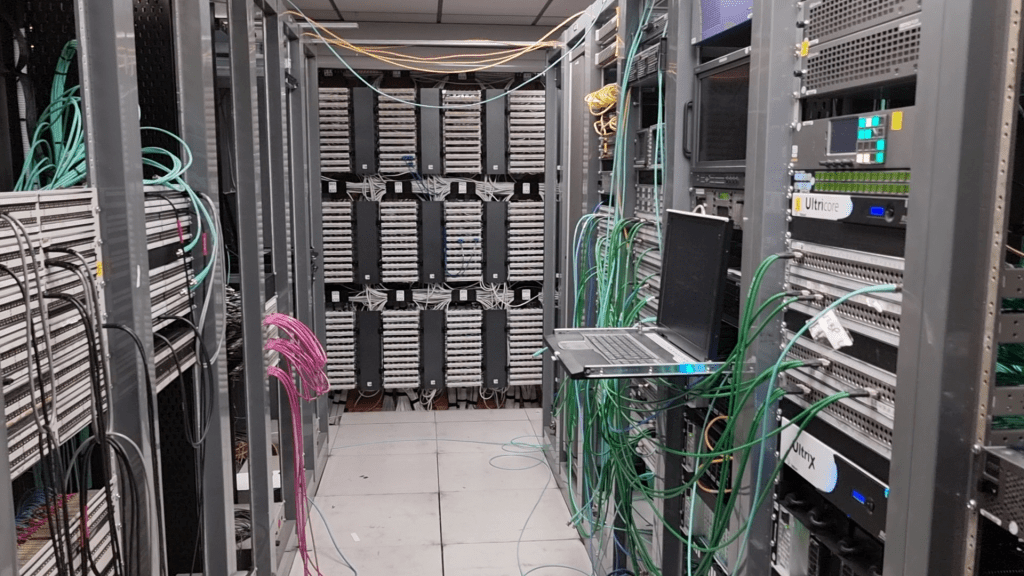
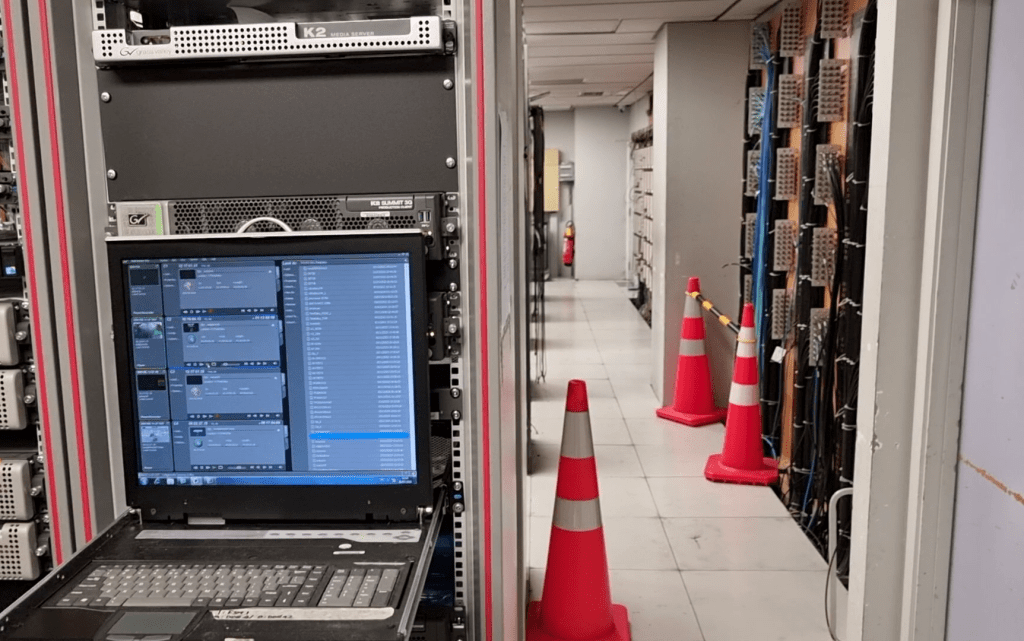
The newsroom and its studio become known as the Wellington News Bureau and continued to be used even in recent years by Newshub, although the TV studio control room was at some point removed and replaced with a workshop and comms room (presumably allowing Auckland’s master control room to remotely control the studio).


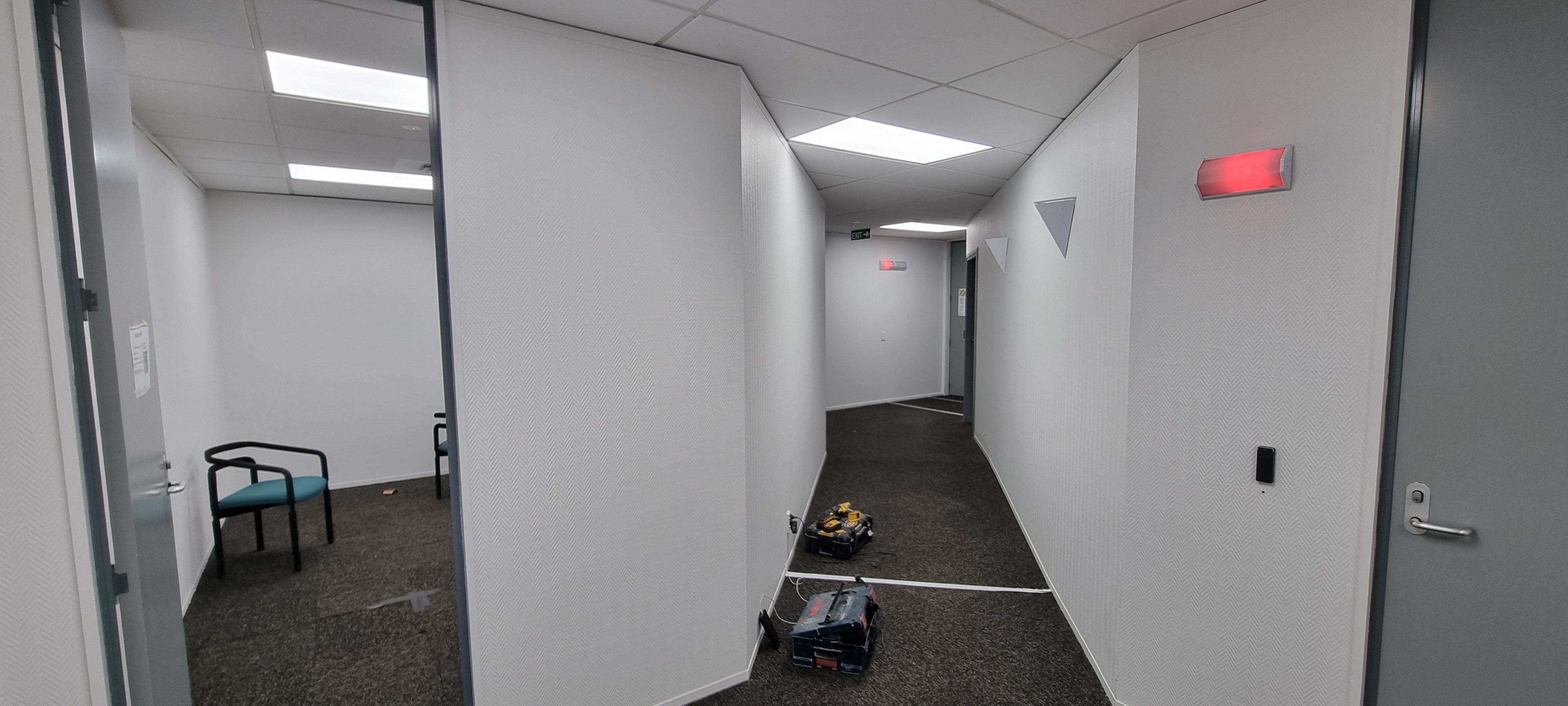

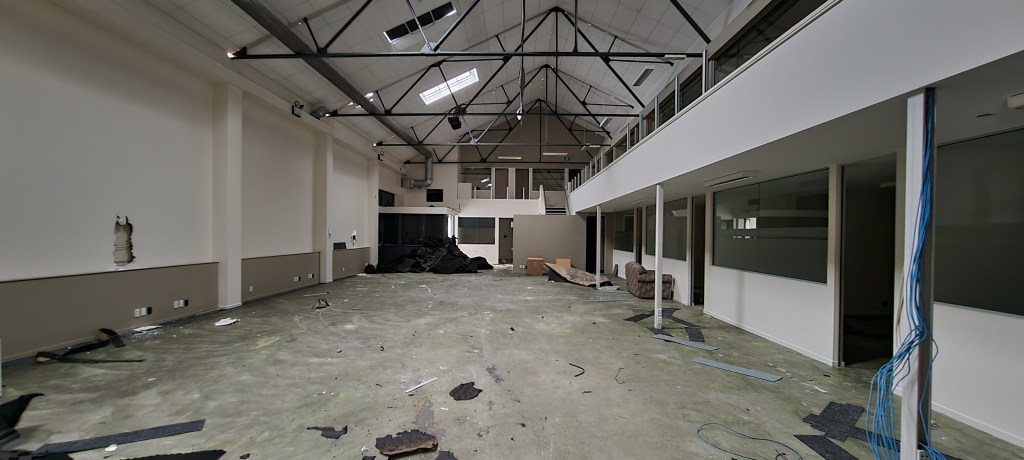
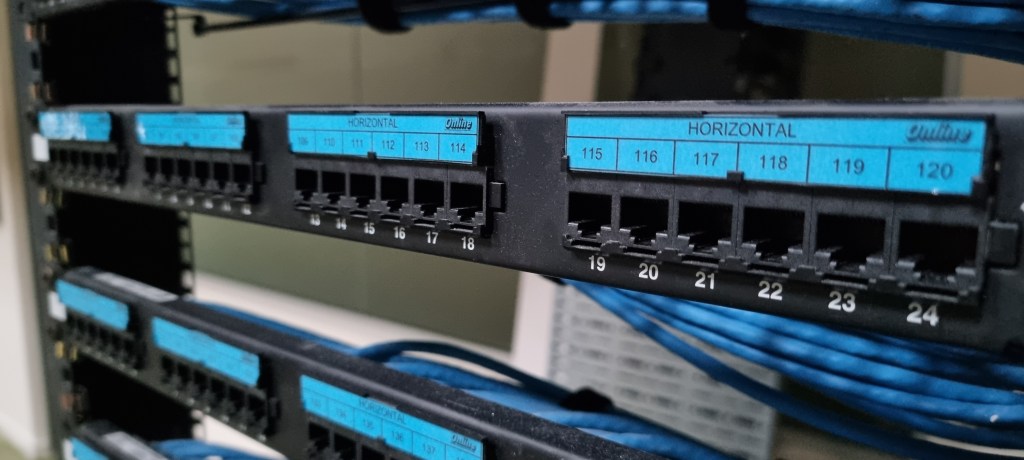
In addition to the removal of the control room, the overall floorspace was halved following the 2020 sale of MediaWorks TV to Warner Bros. Discovery (WBD) New Zealand. This resulted in most of the radio studios that were present under MediaWorks being sectioned off into a separate premises on the same floor. The TV central apparatus room (CAR) was also ceded to MediaWorks for radio production use and is now their radio lines (comms) room.
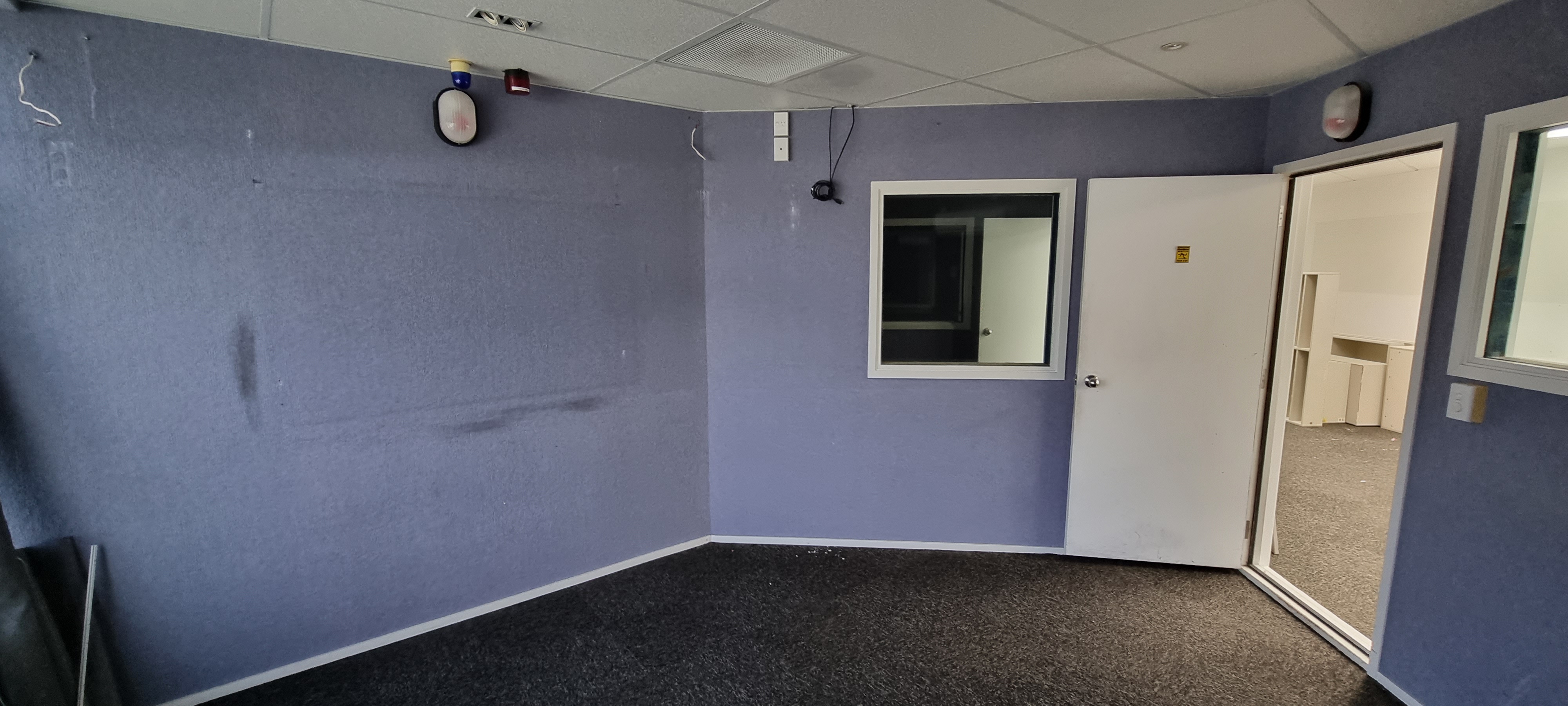
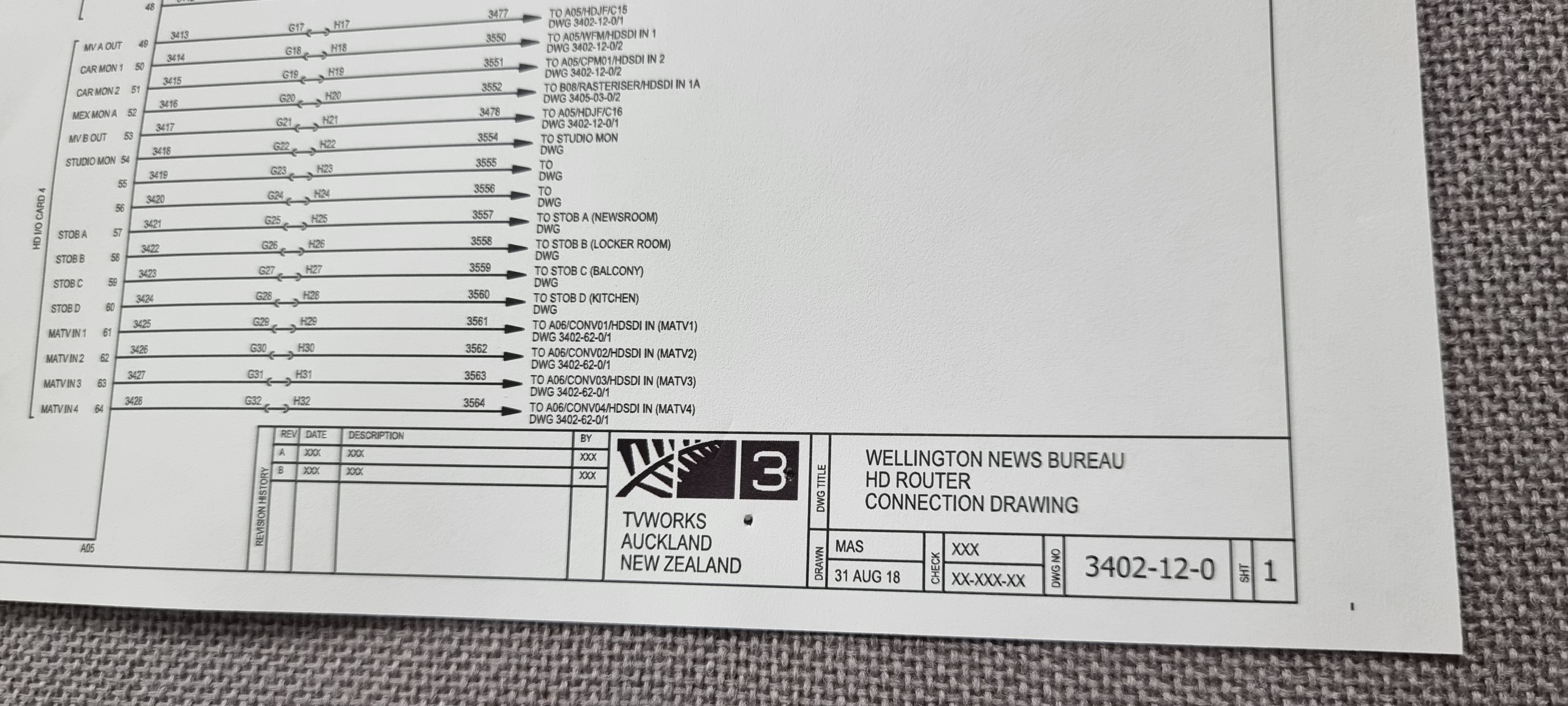
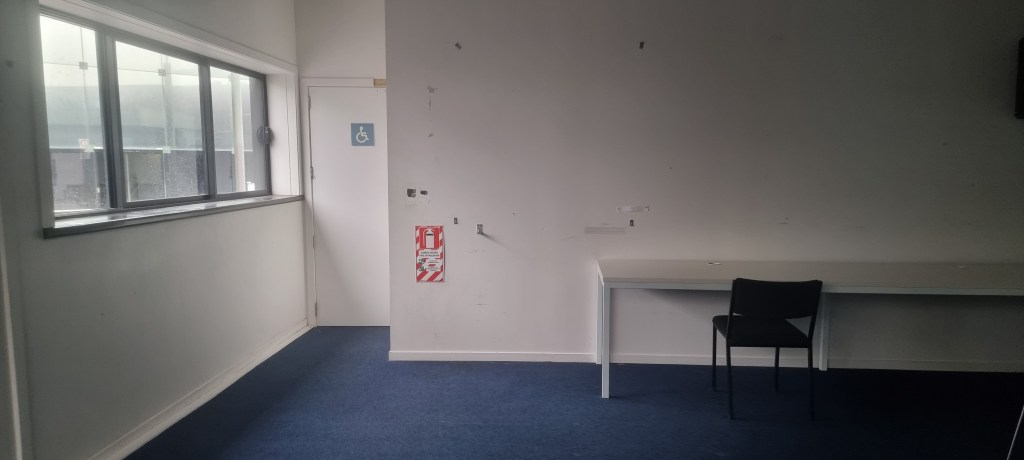
The remaining WBD part of level 3 was vacated in July 2024 upon closure of Three’s in-house news operations. MediaWorks still broadcasts radio from the premises next door.

 HARDCORE SETS